Climbing Mount Kilimanjaro is one of the most rewarding trekking experiences in the world. Standing at 5,895 meters, Kilimanjaro is Africa’s highest peak and one of the famous Seven Summits. However, reaching the top is not just about fitness — choosing the right route plays a major role in whether you summit successfully or turn back due to altitude or fatigue.
Among all Kilimanjaro routes, the Machame Route 7 Days is widely regarded as the best overall option. It offers an excellent balance of acclimatization, scenery, adventure, and summit success rate, making it the most popular and most booked route on the mountain.
This complete guide explains everything you need to know about the Machame Route, including success rates, difficulty level, daily itinerary, best time to climb, and who this route is best (and not best) for.
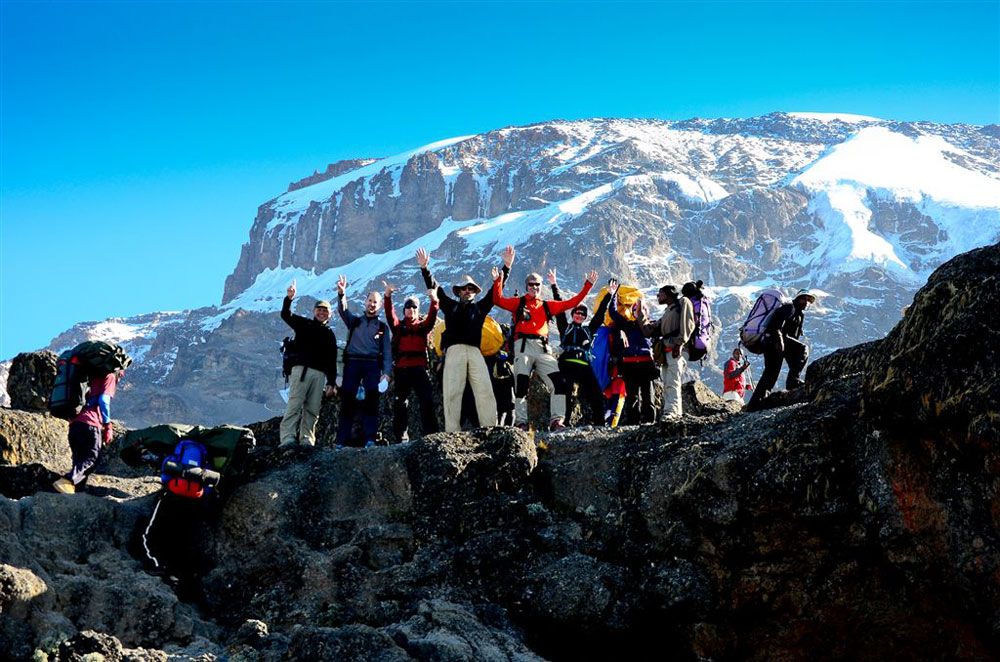
Why the Machame Route Is the Most Popular Kilimanjaro Route
The Machame Route is often referred to as the “Whiskey Route”, not because it is easy, but because it offers a more adventurous and refined experience compared to beginner routes like Marangu. It is a camping-only route, which gives climbers a true mountain expedition feeling.
One of the biggest reasons climbers choose the Machame Route 7 Days is its superior acclimatization profile. The route follows the proven altitude strategy of climb high, sleep low, allowing the body to adapt gradually to increasing altitude. This significantly reduces the risk of altitude sickness and improves overall comfort on the mountain.
Another major attraction is the scenery. The Machame Route passes through multiple ecological zones, starting in lush rainforest and progressing through heath and moorland, alpine desert, and finally the arctic summit zone. Few routes on Kilimanjaro offer such dramatic landscape variation, which makes the climb visually rewarding from start to finish.
In addition, the Machame Route offers a strong balance between challenge and accessibility. While it is physically demanding, it does not require any technical climbing skills, making it suitable for adventurous first-time climbers as well as experienced trekkers.
Machame Route 7 Days Success Rate
While no Kilimanjaro climb can guarantee reaching the summit, the Machame Route 7 Days consistently records one of the highest success rates on the mountain, typically ranging between 70% and 85% when climbers are properly guided.
Several factors influence success on the Machame Route. A well-paced itinerary with enough acclimatization days is crucial, as rapid ascents are the most common cause of altitude-related turnarounds. Professional guides trained in altitude management, proper hydration, balanced meals, and weather conditions during summit night also play a significant role.
The key advantage of the 7-day itinerary is time. By spreading the ascent over an additional day, climbers give their bodies more opportunity to adjust to altitude, which greatly increases the likelihood of a successful summit attempt. This is why the 7-day version consistently outperforms the 6-day Machame Route.
Machame Route 7 Days vs 6 Days: Which Is Better?
When comparing the 6-day and 7-day Machame Route itineraries, the difference may seem small, but it has a major impact on success and comfort.
The 6-day Machame Route involves longer daily hiking distances, fewer acclimatization opportunities, and a higher physical strain. As a result, success rates are lower, usually between 60% and 70%, and the route is best suited for very fit and experienced trekkers.
The Machame Route 7 Days, on the other hand, offers a more balanced pace, improved acclimatization, and reduced fatigue. For most climbers — especially those traveling from sea level — the extra day makes the climb safer, more enjoyable, and far more achievable. If your goal is to reach the summit responsibly and comfortably, the 7-day itinerary is clearly the better choice.
Machame Route 7 Days Itinerary: Day-by-Day Guide
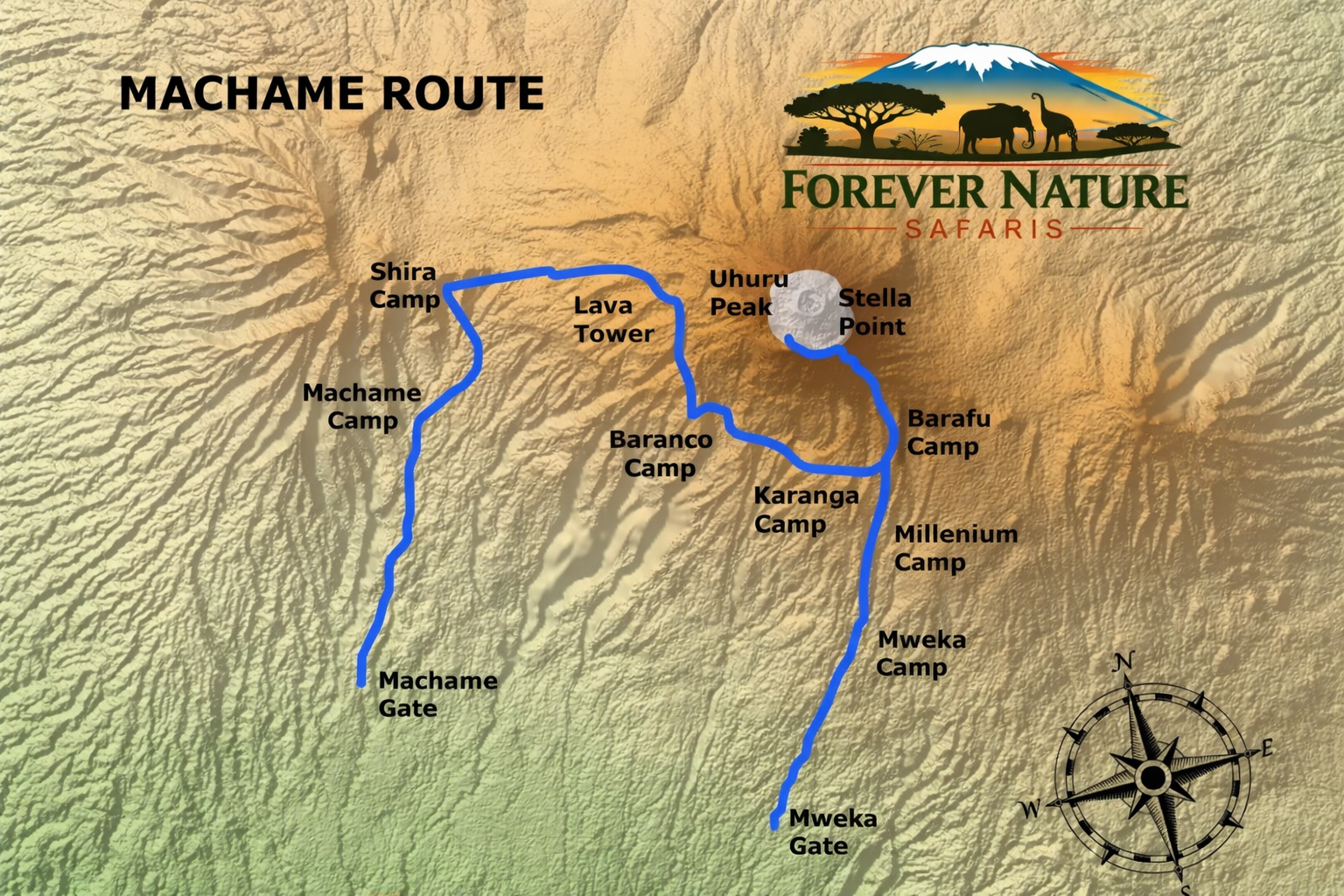
Day 1: Machame Gate to Machame Camp
The trek begins at Machame Gate, where the trail enters dense rainforest. This section is rich in biodiversity, with towering trees, moss-covered branches, and a high chance of spotting monkeys. The hike takes approximately five to seven hours and serves as an introduction to Kilimanjaro’s terrain, though muddy paths and tree roots can make it challenging.
Day 2: Machame Camp to Shira Camp
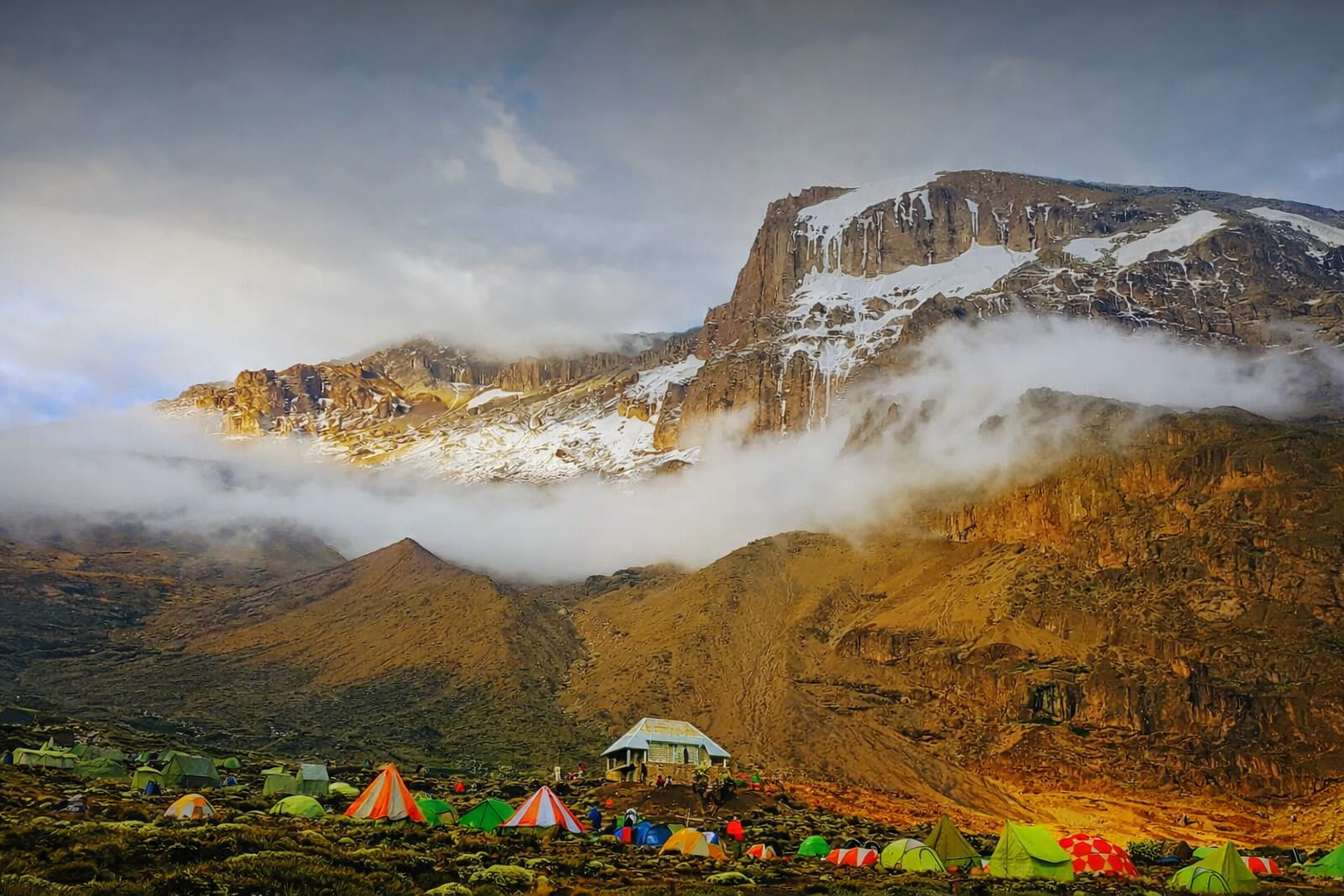
On the second day, the trail climbs out of the forest into heath and moorland. Vegetation becomes shorter, views open up, and the massive slopes of Kibo Peak begin to dominate the landscape. Altitude is felt more clearly, but the pace remains steady and manageable.
Day 3: Shira Camp to Lava Tower to Barranco Camp
This is one of the most important acclimatization days on the Machame Route. Climbers ascend to Lava Tower at around 4,600 meters before descending to Barranco Camp. This “climb high, sleep low” approach significantly improves altitude adaptation and prepares the body for the higher elevations ahead.
Day 4: Barranco Camp to Karanga Camp
Day four includes the famous Barranco Wall, a steep but non-technical scramble that is often considered the most exciting section of the route. Despite its appearance, it requires no climbing skills and rewards hikers with incredible views. The day ends at Karanga Camp after a relatively short but physically engaging hike.
Day 5: Karanga Camp to Barafu Camp
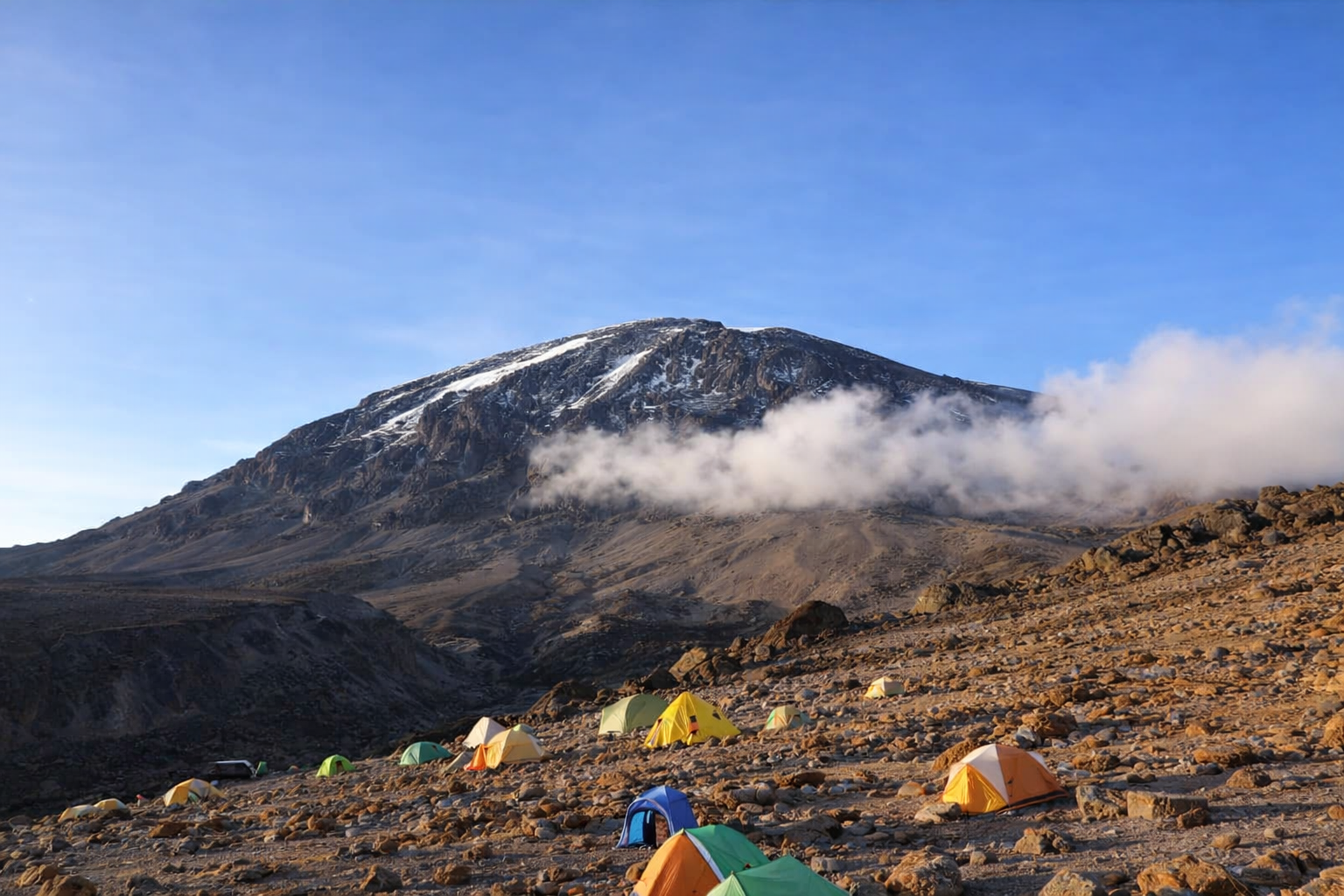
The trek continues to Barafu Camp, the final base camp before the summit attempt. The focus here is on rest, hydration, and mental preparation. Climbers eat an early dinner and try to sleep before beginning the summit push later that night.
Day 6: Barafu Camp to Uhuru Peak to Mweka Camp
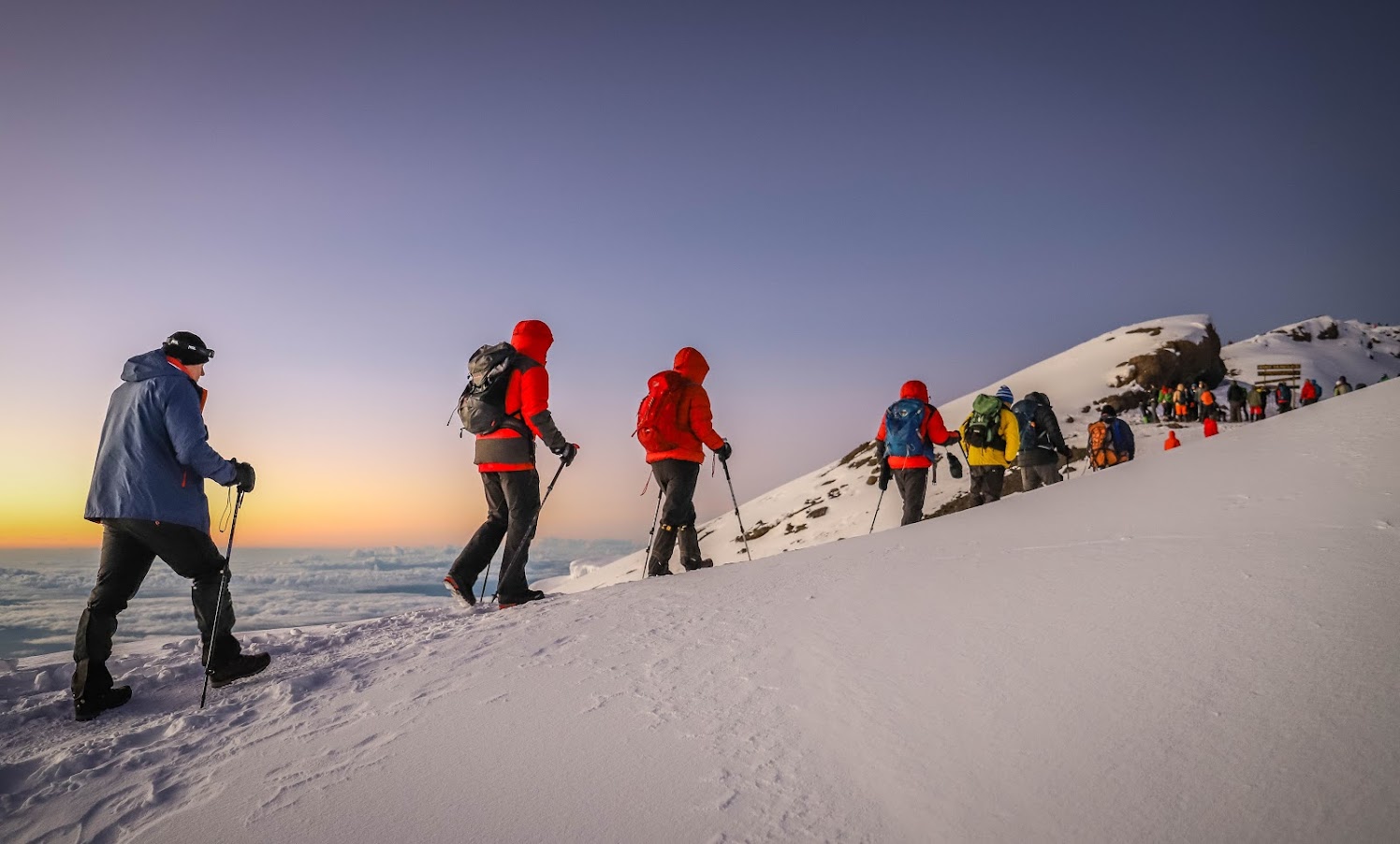
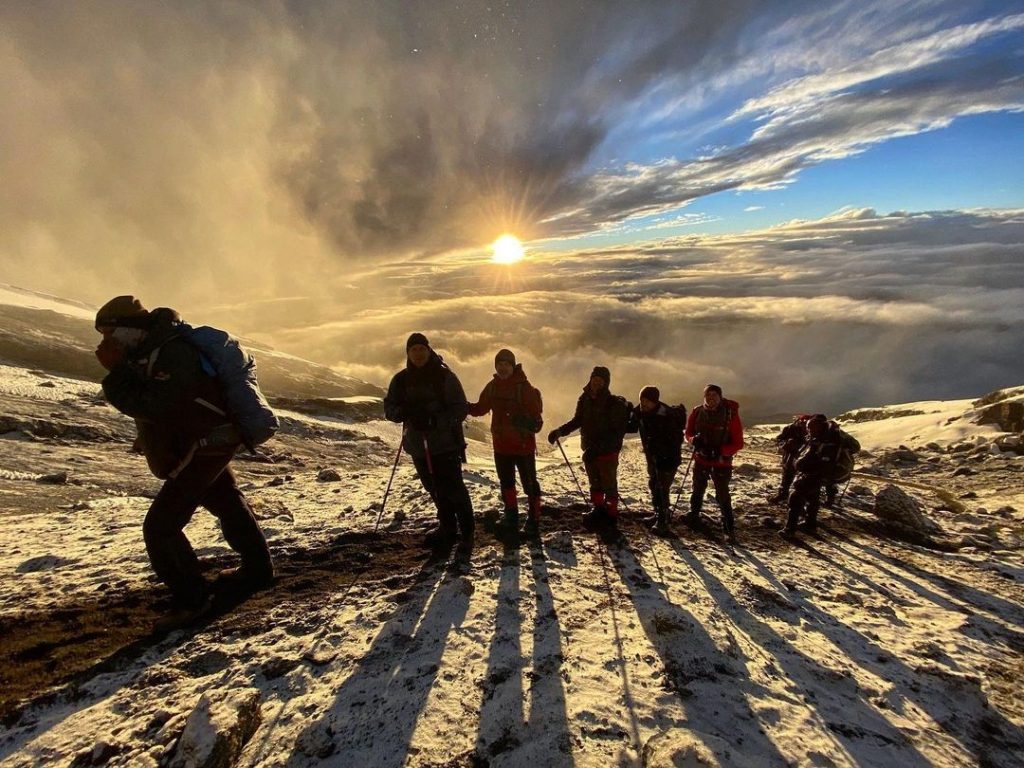
Summit day begins around midnight with a slow, steady ascent toward the crater rim and onward to Uhuru Peak, the highest point in Africa. This is the most demanding day of the climb, both physically and mentally, with total hiking time often reaching 12 to 15 hours. Reaching the summit at sunrise is an unforgettable moment, followed by a long descent to Mweka Camp.
Day 7: Mweka Camp to Mweka Gate
The final day involves a relaxed descent through rainforest to Mweka Gate, where climbers receive their summit certificates and officially conclude their Kilimanjaro adventure.
Machame Route 7 Days Difficulty and Success Rate
The Machame Route is considered moderately difficult. While it does not require technical mountaineering skills, it is physically and mentally demanding due to long hiking days, cold nighttime temperatures, steep sections — especially on summit night — and the effects of high altitude.
No ropes or climbing equipment are required, and success depends more on endurance, determination, pacing, and acclimatization than on speed or strength.
Who Should Choose (and Not Choose) the Machame Route?
The Machame Route is ideal for climbers who want a scenic, adventurous trek with a high chance of success and are comfortable camping on the mountain. It suits first-time Kilimanjaro climbers who are reasonably fit and want a well-balanced itinerary.
However, it may not be ideal for those who strongly prefer sleeping in huts rather than tents, travelers with very limited time, or climbers who struggle with steep ascents and camping conditions. In such cases, alternative routes such as Marangu or Lemosho may be more suitable.
Best Time to Climb the Machame Route
The best time to climb the Machame Route is during the dry seasons, from January to March and June to October. These periods offer more stable weather and clearer summit views.
April and May are best avoided due to heavy rainfall, which can make trails muddy and visibility poor. June to August is colder but very clear, while January and February are warmer and quieter on the mountain
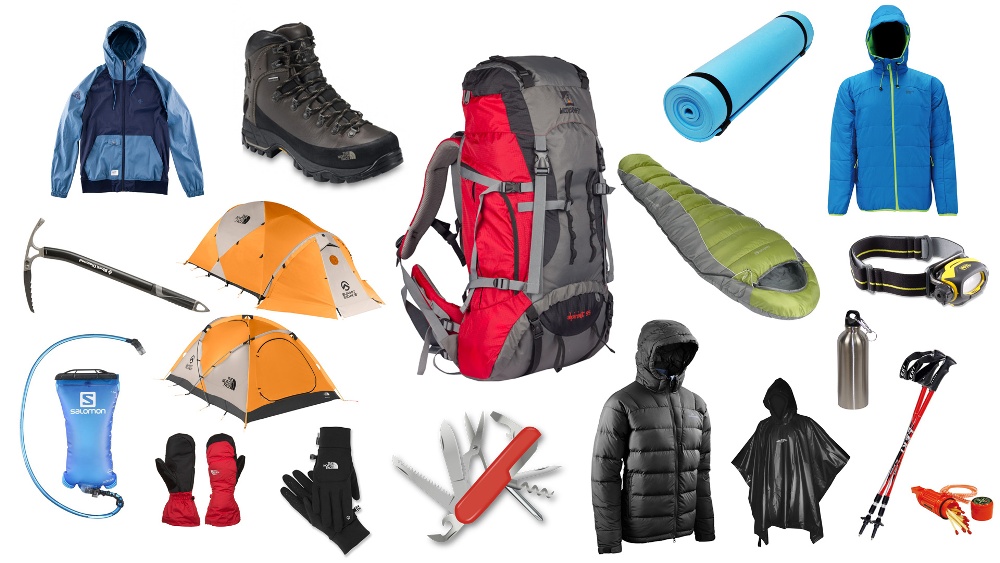
Machame Route 7 Days Equipment Checklist
Climbing Mount Kilimanjaro via the Machame Route is an unforgettable adventure, but success on Africa’s highest peak depends heavily on one critical factor: what you wear. Temperatures on Kilimanjaro can range from hot and humid rainforest conditions to freezing, arctic-like cold near the summit — sometimes within the same 24 hours.
Because of these dramatic changes, proper clothing is not about fashion or brand names. It is about layering, protection, and comfort. This guide explains exactly what to wear on the Machame Route, why each layer matters, and how to prepare for summit night conditions.
Understanding Kilimanjaro’s Climate on the Machame Route
The Machame Route crosses multiple climate zones, each with different weather challenges. Climbers start in warm, wet rainforest, move through cooler heath and moorland, continue into dry alpine desert, and finally reach freezing arctic conditions above 5,000 meters.
Daytime temperatures can feel warm when hiking, while nights — especially at higher camps — can drop well below freezing. Wind, rain, and snow are all possible, making versatile clothing essential.
The Layering System: The Key to Staying Warm and Comfortable
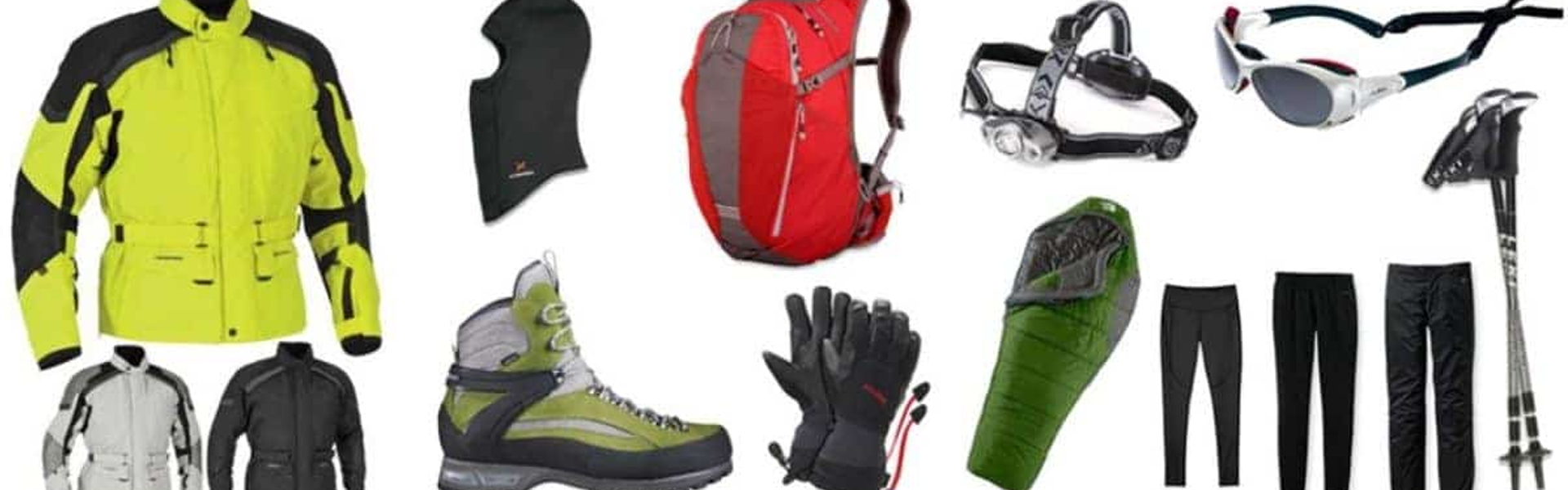
The most effective way to dress for Kilimanjaro is by using a three-layer system. This allows you to add or remove layers as conditions change throughout the climb.
Base Layer: Moisture Control and Warmth
The base layer sits directly against your skin and plays a vital role in regulating body temperature.
Choose:
-
Thermal long-sleeve top (merino wool or synthetic)
-
Thermal leggings or long johns
The goal of the base layer is to wick sweat away from your body and keep you warm when temperatures drop. Cotton should be avoided entirely, as it absorbs moisture and increases the risk of getting cold.
Mid Layer: Insulation
The mid layer traps body heat and provides insulation during colder sections of the climb.
Recommended mid layers include:
-
Fleece jacket or insulated synthetic jacket
-
Trekking or soft-shell hiking pants
On lower days, this layer may be enough by itself. At higher altitudes, it works together with your outer shell to retain warmth.
Outer Layer: Protection from Wind, Rain, and Snow
Your outer layer is your defense against Kilimanjaro’s unpredictable weather.
Essential outer layers:
-
Waterproof, windproof jacket (Gore-Tex or similar)
-
Waterproof hiking pants
This layer should be breathable yet durable enough to handle strong winds, rain showers, and snow, especially on summit night.
What to Wear on Summit Night
Summit night is the coldest and most demanding part of the Machame Route. Climbers typically begin the ascent around midnight, when temperatures can drop to –15°C or colder.
For summit night, wear:
-
Heavy insulated down jacket (rated for extreme cold)
-
Insulated pants or fleece pants with a shell layer
-
Thermal balaclava or face mask
-
Neck gaiter or buff
Staying warm during the slow, steep ascent is crucial for safety and comfort.
Head, Hands, and Feet: Small Items That Matter Most
Heat loss occurs fastest through the head, hands, and feet, making proper protection essential.
Bring:
-
Warm beanie (fleece or wool)
-
Sun hat or cap for lower altitudes
-
Thermal inner gloves
-
Waterproof insulated outer gloves
-
Wool hiking socks (multiple pairs)
-
Well-broken-in insulated hiking boots
-
Gaiters (optional but helpful in snow or dust)
Never underestimate cold hands or feet — they are among the most common reasons climbers struggle near the summit.
Accessories You Should Not Forget
In addition to clothing, a few key accessories will make your climb far more comfortable:
-
UV-protection sunglasses
-
High-SPF sunscreen and lip balm
-
Lightweight camp shoes or sandals
-
Rain cover for your daypack
What Not to Wear on Kilimanjaro
Certain clothing choices can seriously affect your comfort and safety.
Avoid:
-
Jeans or denim
-
Cotton t-shirts
-
Fashion jackets without insulation
-
Brand-new hiking boots
Blisters, cold exposure, and poor moisture control can turn an otherwise successful climb into a miserable experience.
Is the Machame Route 7 Days Worth It?
Absolutely. The Machame Route 7 Days offers one of the highest success rates on Kilimanjaro, stunning scenery across multiple climate zones, a well-paced itinerary suitable for most climbers, and strong safety and acclimatization advantages.
For anyone serious about reaching the roof of Africa, this route provides the perfect balance of challenge, beauty, and success.
All climbs on the Machame Route require a valid trekking permit issued by the Tanzania National Parks Authority (TANAPA). TANAPA manages Mount Kilimanjaro National Park, ensuring safety, environmental protection, and responsible tourism. Climbers must follow park regulations, use authorized campsites, and purchase permits through licensed operators to ensure a smooth and legal trekking experience.
👉 Ready to climb?
View our 7-Day Machame Route climb, guided by experienced local professionals with safety-first pacing, fair porter treatment, and deep knowledge of Kilimanjaro from start to summit