
Is Ngorongoro Crater Worth It? Honest Review
Let’s be direct: Ngorongoro Crater is expensive. The crater service fee alone runs nearly $300 per vehicle per descent. Add entry fees, accommodation on the rim, and transport from Arusha, and a single day in the crater can cost $900–$1,200 per couple. Is it worth it?
The Ngorongoro Crater is not just a safari destination it is a globally recognized conservation area and a UNESCO World Heritage Site, protected for its unique ecological and cultural significance. Formed over two million years ago, this vast volcanic caldera supports one of the highest densities of wildlife in Africa, including endangered black rhinos and large lion populations. The Ngorongoro Conservation Area is also home to the Maasai people, making it one of the few places where wildlife and traditional human life coexist sustainably. Visiting the crater means experiencing not only incredible wildlife but also contributing to long-term conservation efforts that protect this ecosystem for future generations.
The short answer is yes for most safari travelers, emphatically so. But there are specific situations where skipping it makes sense, and that nuance is worth exploring honestly. This review covers the real costs, the real experience, the genuine downsides, and who Ngorongoro is and isn’t right for.
Is Ngorongoro Crater Worth It? Real Costs Explained
This is where many travelers are caught off guard. Tanzania’s Ngorongoro Conservation Area has a unique fee structure that differs from standard national parks.
| Fee | Cost (USD) | When It Applies |
| NCA conservation fee (adult) | $82 per person/day | Every day in the NCA |
| Crater service fee | $295.60 per vehicle | Each descent into the crater |
| Vehicle fee | $40 per vehicle/day | For NCA access |
| Overnight fee (special campsite) | $59 per person/night | Rim camping |
| Guide fee | $20 – $30 (tip) | Strongly expected |
For a couple in a private vehicle doing one crater descent: approximately $549–$600 in fees alone ($82 x2 entry + $295.60 crater fee + $40 vehicle + $50 tip). Add rim accommodation ($200–$600/night depending on lodges) and meals, and you’re looking at $1,000–$1,300 per couple per day.
Is that expensive? Objectively, yes. Is it more expensive per hour of wildlife viewing than almost any other park in East Africa? Also yes. Does the experience justify it? For most travelers who go: yes.
Why Ngorongoro Crater Is Worth It for Wildlife Viewing
Wildlife Density Unmatched in East Africa
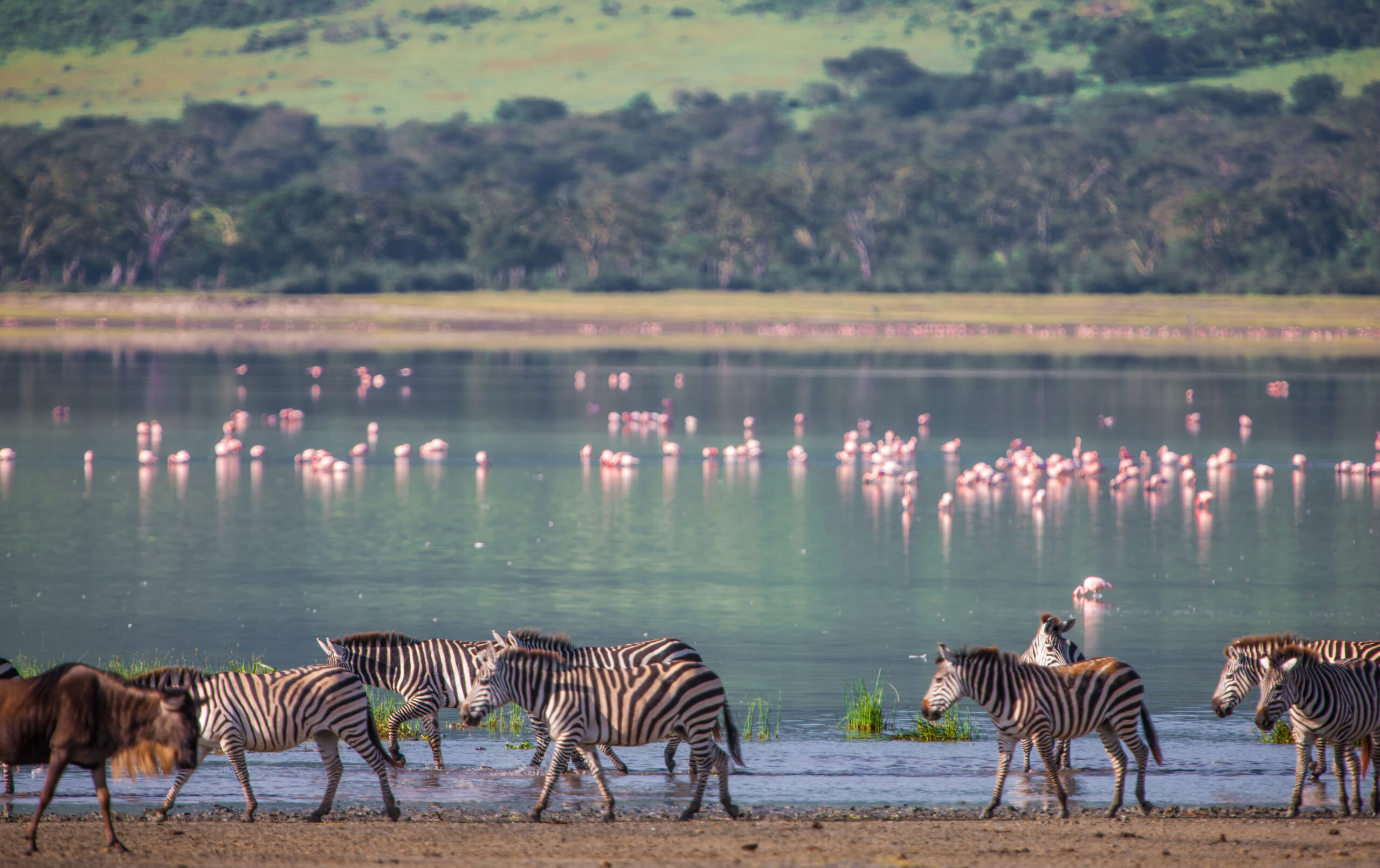
The Ngorongoro Crater floor holds approximately 25,000 large mammals within 260 square kilometres. To put that in context: you could drive 30 minutes in any direction on the crater floor and pass more large animals than in a full day’s driving in most other parks.
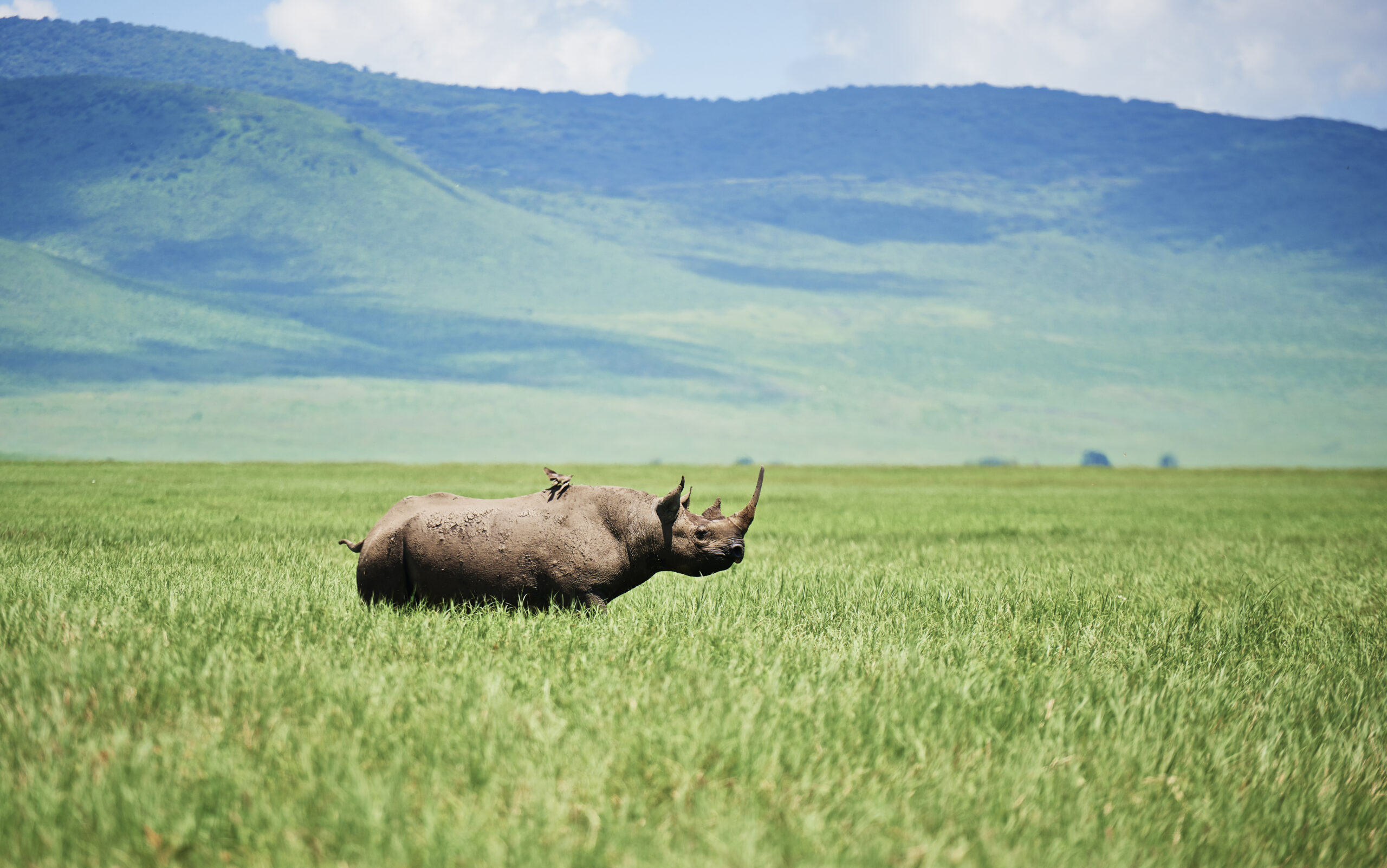
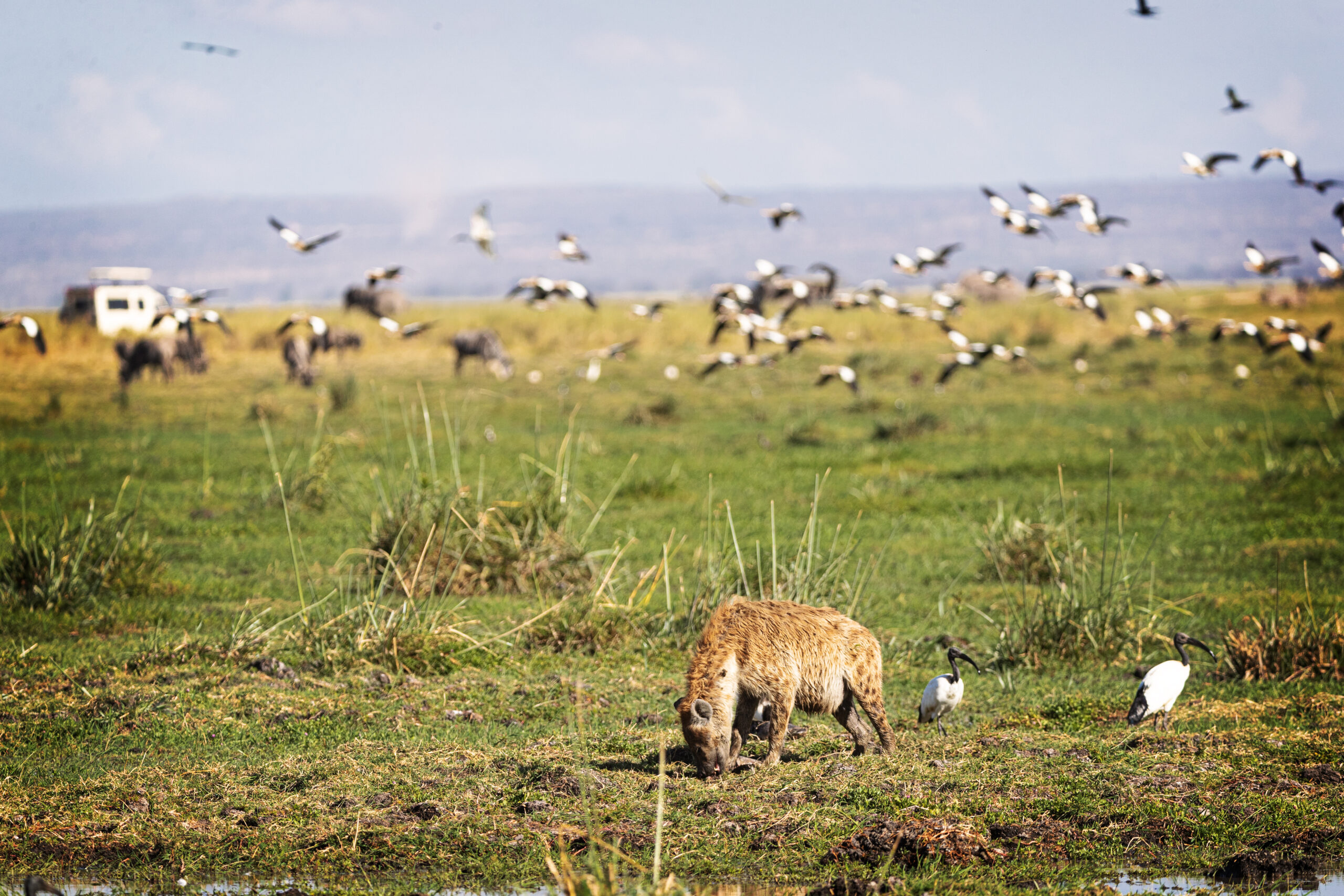
Lion sightings are practically guaranteed. Buffalo herds of several hundred are common. Elephants are seen regularly. Black rhinos among the rarest large mammals in Africa are resident here in one of their last viable East African populations.
The Big Five in One Day
Ngorongoro is one of the very few places in the world where a reasonably lucky visitor can see all Big Five animals in a single day. Not a guaranteed outcome but a realistic possibility. The combination of lion, leopard, elephant, buffalo, and black rhino in one contained ecosystem is unmatched.
The Geological Spectacle
Beyond the wildlife, descending into the world’s largest intact volcanic caldera is a profound experience. The walls rise 600 metres above you, the floor stretches 260 square kilometres, and the sheer scale of the place the knowledge that you’re inside a volcano that collapsed two and a half million years ago gives every game drive an additional dimension.
The Rim Experience
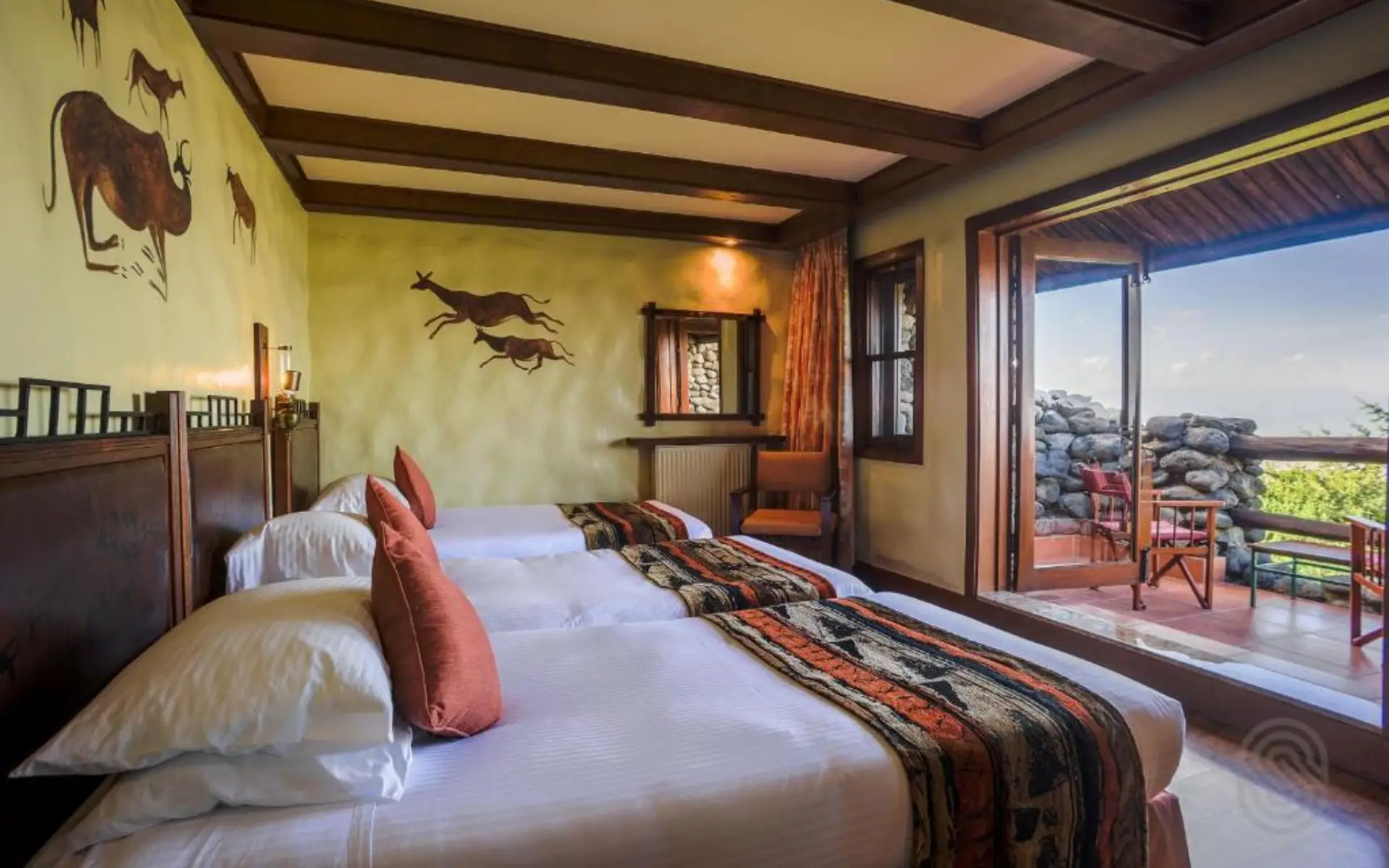
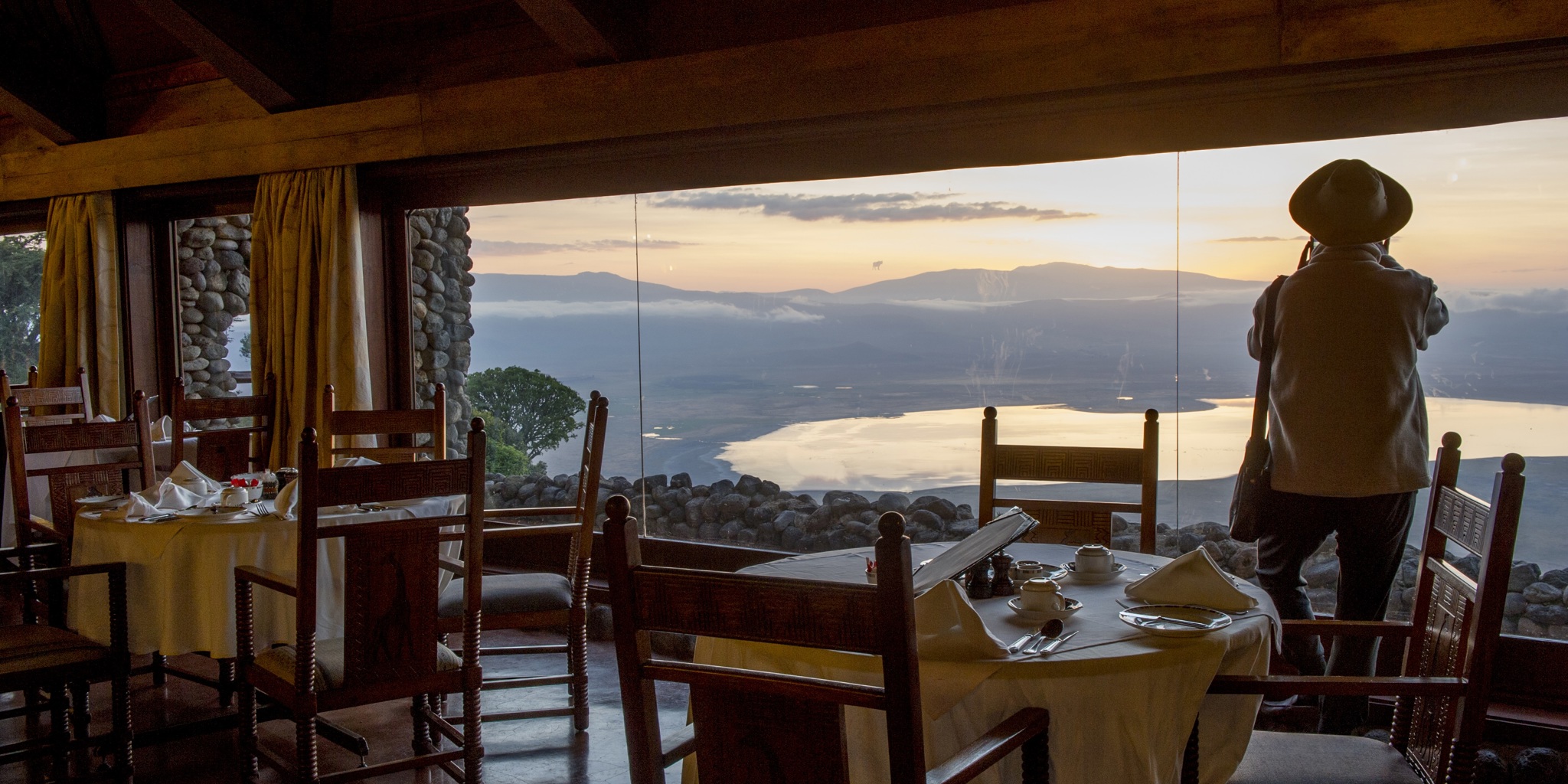
Staying on the rim particularly at lodges like Ngorongoro Crater Lodge or The Manor at Ngorongoro adds a luxury layer that most people who skip an extra night regret missing. Watching the sun set over the crater from the rim, with mist rising from the floor 600 metres below, is one of the genuinely beautiful things you can do in Tanzania.
Ngorongoro Crater Worth It or Overrated? Honest Downsides
It Gets Crowded
The Ngorongoro Crater is the most-visited wildlife site in Tanzania. During peak season (July–September), vehicle numbers on the crater floor can become significant particularly at popular sightings like a lion kill or a rhino in the Lerai Forest.
This is manageable with good timing (early descent, midday patience) and a good guide who knows less-visited routes. But if solitude and an absence of other vehicles is important to you, Ngorongoro in peak season is not going to deliver that.
You Can’t Stay Overnight in the Crater
Descending vehicles must exit the crater by 6 PM. No overnight stays on the crater floor are permitted. This means you lose the extraordinary dawn and dusk light that makes photography in other safari destinations so special. You’re in for the midday hours, which are often harsher in terms of light and animal activity.
Solution: Descend at 6 AM (when gates open) and stay until 5 PM. You’ll catch the best morning light and late afternoon activity before ascending.
The Cost per Hour Is High
If you compare cost per hour of game viewing, Ngorongoro is expensive. A full day in the crater (6 AM descent, 5 PM ascent = 11 hours) costs roughly $500–$600 in fees per couple around $45–$55 per hour just in park and crater fees. Other Tanzania parks deliver more hours at lower fees.
The counterargument: those hours in Ngorongoro are more productive than hours in most other parks. You’re not driving for 45 minutes without a sighting animals are everywhere.
Accommodation on the Rim Is Premium
The best-positioned rim lodges command high prices due to the unique setting and high demand. Budget accommodation options on the rim are limited compared to Arusha or even within the Serengeti. This further inflates the overall cost of a Ngorongoro visit.
Ngorongoro vs Skipping It: Who Should Go?
| Traveler Type | Should You Go? | Reason |
| First-time Tanzania safari visitor | Yes — strongly recommended | Iconic, accessible, near-guaranteed Big Five |
| Wildlife photographer | Yes — for 2+ days | Exceptional subjects, unique light from rim |
| Rhino enthusiast | Yes — best option in Tanzania | Highest probability black rhino viewing |
| Budget traveler (very tight) | Optional | Can be replaced by extra Serengeti time |
| Second or third Tanzania visit | Yes, if not visited before | Experience never gets old |
| Traveler who hates crowds | Go in low season (Mar–May) | Significantly fewer vehicles |
| Short trip (3–4 days only) | Prioritise Serengeti instead | Crater needs 1–2 days to justify cost |
How to Get the Most Value from Ngorongoro
Spend Two Days, Not One
The difference between one day and two days in Ngorongoro is significant. A second crater descent covers different habitats, encounters different animals (including the rhino you may have missed on day one), and allows for a more relaxed pace. The crater fee applies per descent, not per day so a second descent adds another $295 per vehicle, but the per-hour cost drops considerably.
Add Oldupai Gorge
Thirty minutes from the crater, Oldupai (Olduvai) Gorge is one of the most important paleoanthropological sites on Earth. Fossils of early Homo habilis were found here evidence of human ancestors dating back 1.75 million years. A 30-minute guided walk costs approximately $30 per person and adds meaningful context to your time in this ancient landscape. It is consistently underrated.
Stay on the Rim, Not in Arusha
Driving from Arusha for a day trip means arriving midmorning at the earliest missing the best game drive hours. Stay one or two nights on the rim so you can descend at 6 AM and experience the crater in proper morning light.
Visit in Low Season for Fewer Vehicles
The green season (March–May) brings dramatically fewer vehicles to the crater, reduced accommodation rates (sometimes 30–40% off), and a lush, photogenic crater floor. Wildlife density remains excellent year-round the crater residents don’t migrate.
Ready to Experience Ngorongoro for Yourself?
Plan your safari with local experts who understand not just the landscape but the timing, wildlife movement, and hidden opportunities that make the difference.
👉 Chat with us directly on WhatsApp: +255 778 823 947
👉 Request your custom safari itinerary today
👉 See what our travelers say on TripAdvisor: https://www.tripadvisor.com/
Frequently Asked Questions
Is Ngorongoro Crater worth the expensive fees?
For most safari travelers: yes. The combination of reliable Big Five viewing, one of Africa’s best black rhino populations, extraordinary geological setting, and year-round wildlife density justifies the cost. The crater service fee ($295.60/vehicle) is steep but unavoidable factor it into your budget from the start rather than being surprised at the gate.
How crowded is Ngorongoro Crater?
In peak season (July–September), the crater can have 50–80 vehicles on the floor at any one time. At popular sightings, traffic is real. The experience is still excellent due to the sheer abundance of wildlife, but for those who value solitude, visiting in March–May (green season) dramatically reduces vehicle numbers while maintaining excellent game viewing.
Can you do Ngorongoro as a day trip from Arusha?
Technically yes, but it’s not recommended. The drive from Arusha takes roughly 3 hours, meaning you’d arrive at the rim around 9–10 AM and descend into the crater midmorning missing the best dawn game drive hours. Staying overnight on the rim allows a 6 AM descent in optimal light and temperatures.
What’s the best lodge in Ngorongoro Crater?
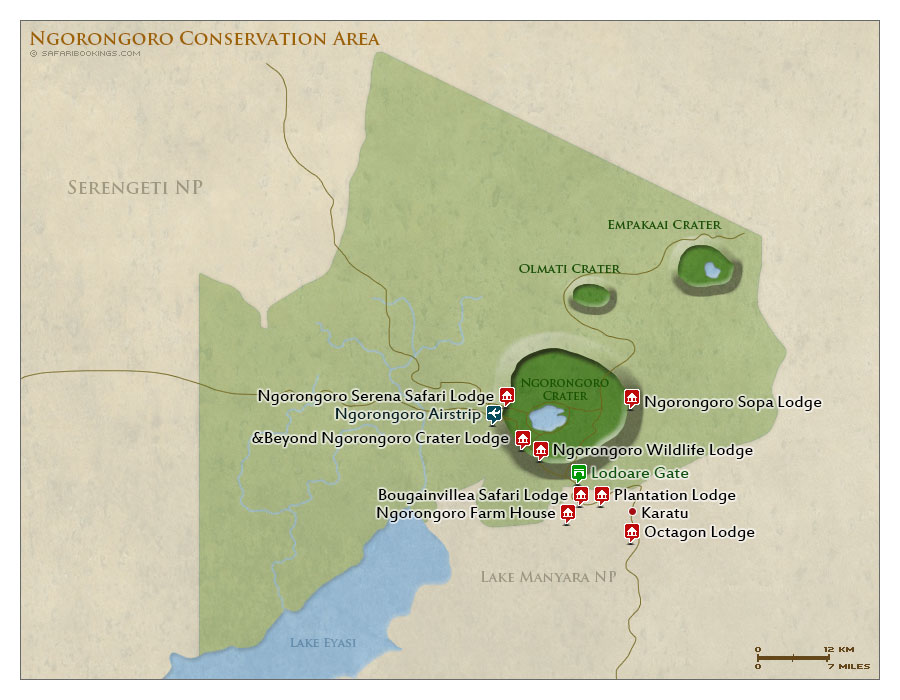
For views and luxury, Ngorongoro Crater Lodge (perched on the rim with butler service and dramatic crater panoramas) is unmatched. For better value, Ngorongoro Sopa Lodge and Ngorongoro Wildlife Lodge offer solid mid-range options with rim positioning. The Manor at Ngorongoro, 30 minutes from the crater, is excellent for those wanting a colonial farm atmosphere.
Is Ngorongoro or Serengeti better?
They serve different purposes and most Tanzania itineraries include both. Ngorongoro delivers concentrated, near-guaranteed Big Five viewing in a spectacular geological setting ideal for 1–2 days. The Serengeti offers a vast open ecosystem, the Great Migration, and more diverse habitats — better for longer stays. If forced to choose just one for a short trip, the Serengeti offers more for the overall money.
Ready to Decide? We’ll Help You Plan It Right.
Ngorongoro Crater rewards travelers who plan it well and punishes those who don’t. Our Tanzania specialists will advise on the right number of days, the right rim accommodation, and the best time of year for your priorities so every dollar you spend works hard.