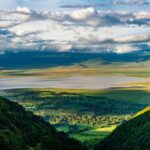
The Ngorongoro Conservation Area is among Tanzania’s most striking natural features, renowned for its breathtaking landscapes, unique geological formations, and vibrant wildlife. Often regarded as one of the world’s natural wonders, it embodies the rich biodiversity and heritage of Tanzania.
In this post, we will explore what makes the Ngorongoro Conservation Area a must-visit destination for safari enthusiasts. Through insights from Forever Nature Safaris, we’ll uncover its geological wonders, wildlife, and cultural significance that make this area a captivating safari experience.
The Geological Marvel of Ngorongoro
Formation and Unique Landscape
The stunning caldera of Ngorongoro was formed millions of years ago through volcanic activity, resulting in a massive depression that now thrives with wildlife.
• Size and Dimensions: Covering over 260 square kilometers, the crater reaches depths of 600 meters. Its steep walls shelter a variety of ecosystems and wildlife.
• Diversity of Ecosystems: The conservation area features habitats that range from lush forests to savanna grasslands, providing vital environments for countless species of flora and fauna.
Biodiversity Within the Crater
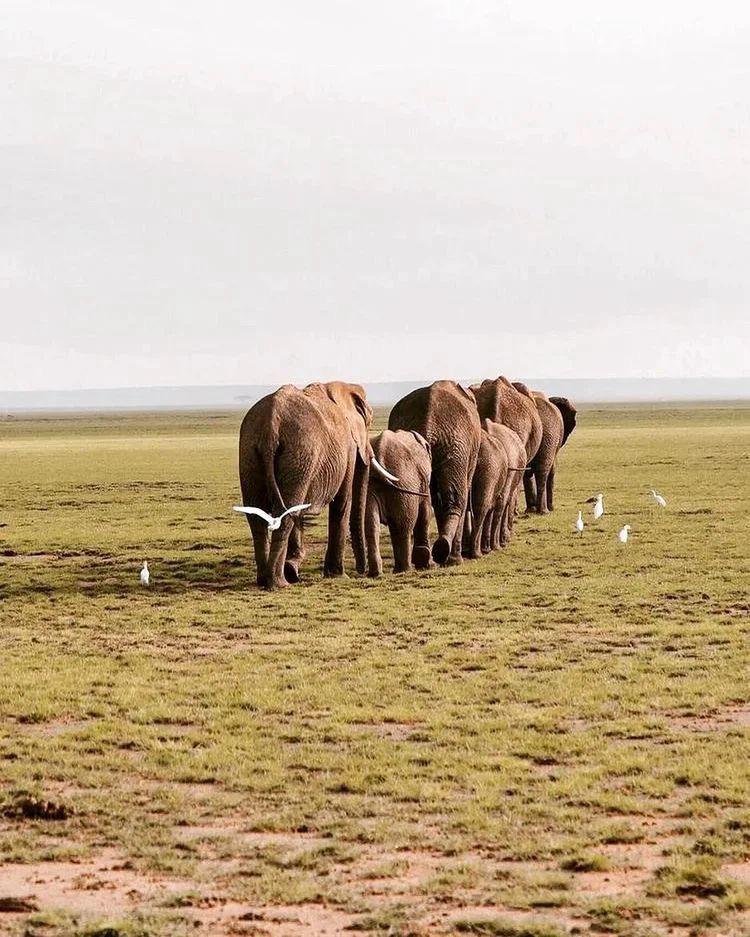
With around 25,000 animals, the Ngorongoro Conservation Area offers incredible wildlife sightings.
• Large Mammals: The crater is notably home to a thriving population of black rhinos, a critically endangered species often sought after by visitors.
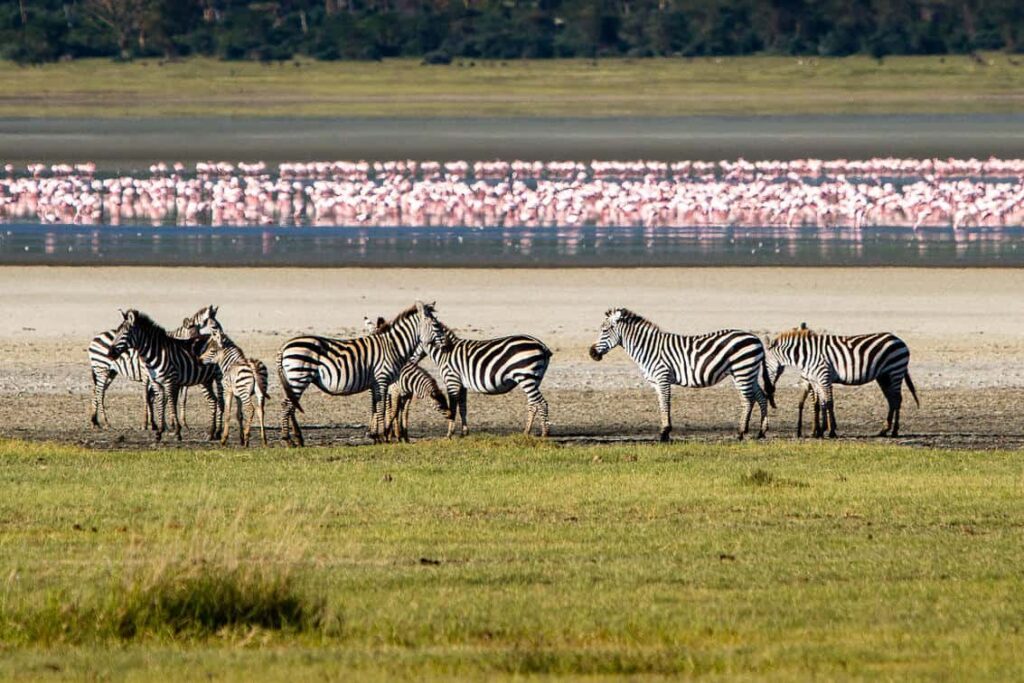
• Birdlife: The area attracts birdwatchers with over 500 species recorded, from flamingos lining the crater lakes to diverse raptors soaring high.
Cultural Importance of Ngorongoro
Indigenous Communities
The Maasai people have coexisted with wildlife in Ngorongoro for generations, embodying a sustainable way of living in harmony with nature.
• Cultural Interactions: Visitors can engage with Maasai communities, learning about their rich traditions, crafts, and adaptive practices vital to their survival.
Ecotourism and Conservation Efforts
The Ngorongoro Conservation Area serves as a successful model for sustainable tourism that benefits both wildlife and the local communities.
• Community Benefits: Responsible tourism helps fund educational initiatives, healthcare, and social programs for the Maasai, preserving their culture.
• Conservation Efforts: Through promoting ecotourism, visitors contribute to preserving Ngorongoro’s ecosystems and wildlife for future generations.
Key Attractions and Activities
Game Drives in Ngorongoro
Game drives are one of the most exhilarating ways to experience the wildlife of the Ngorongoro Conservation Area.
• Best Times to Visit: Early mornings and late afternoons are prime times for wildlife activity, offering opportunities for incredible sightings.
• Private Tours: For a personalized experience, consider booking private game drives, which allow flexibility in timing and focus during your adventure.
Crater Hiking and Cultural Tours
In addition to game drives, the area offers hiking opportunities and cultural exchanges.
• Guided Hikes: Explore hiking trails along the crater rim, providing breathtaking views and an intimate connection to nature.
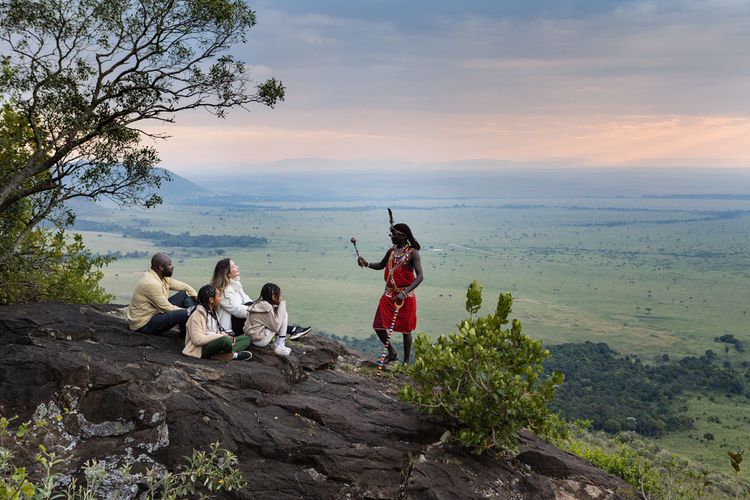
• Cultural Experiences: Engage with the Maasai through village tours, sharing stories, arts, and dances that highlight their rich cultural heritage.
The Ngorongoro Conservation Area encapsulates the essence of Tanzania’s stunning landscapes, diverse wildlife, and rich cultural tapestry. Its geological significance and biodiversity make it an indispensable destination for anyone curious about the natural world.
Are you ready to explore the remarkable Ngorongoro Conservation Area? Contact Forever Nature Safaris today to discover personalized packages that will immerse you in this breathtaking natural wonder!
FAQs – Ngorongoro Conservation Area
Why is the Ngorongoro Conservation Area considered a natural wonder?
The Ngorongoro Conservation Area is considered a natural wonder due to its विशाल volcanic caldera, rich biodiversity, and unique ecosystem that supports over 25,000 animals within the Ngorongoro Crater.
What animals can you see in Ngorongoro Crater?
Visitors can see a wide range of wildlife including lions, elephants, buffalo, flamingos, and the endangered Black Rhinoceros, making it one of the best wildlife destinations in Africa.
Can you see the Big Five in Ngorongoro?
Yes, the Ngorongoro Crater is one of the few places in Africa where you can spot all members of the Big Five—lion, elephant, buffalo, leopard, and rhino—in a single day.
What is the best time to visit Ngorongoro Conservation Area?
The best time to visit is during the dry season from June to October, when wildlife is easier to spot. However, the area offers excellent game viewing year-round.
How deep is the Ngorongoro Crater?
The Ngorongoro Crater is approximately 600 meters (2,000 feet) deep, making it one of the largest intact volcanic calderas in the world.
Is Ngorongoro part of Serengeti National Park?
No, the Ngorongoro Conservation Area is a separate protected area, although it borders Serengeti National Park and is often included in the same safari itinerary.
Can you stay inside Ngorongoro Conservation Area?
Yes, visitors can stay in lodges and camps located on the crater rim, offering stunning views and easy access to early morning game drives.
What cultural experiences are available in Ngorongoro?
Travelers can visit and interact with the Maasai people, learning about their traditions, lifestyle, and coexistence with wildlife.
How long should you spend in Ngorongoro?
Most travelers spend 1–2 days exploring the crater and surrounding highlands, which is enough to experience its wildlife and scenery.
Is Ngorongoro worth visiting on a Tanzania safari?
Absolutely. The Ngorongoro Conservation Area is one of the top highlights of any Tanzania safari, offering unmatched wildlife density and breathtaking landscapes.