A premium Tanzania cultural safari offers far more than wildlife viewing. While Tanzania is famous for the Serengeti, Ngorongoro Crater, unesco heritage site and Mount Kilimanjaro, the country is also home to over 120 ethnic groups, each with unique traditions, lifestyles, and cultural heritage.
A well-designed premium Tanzania cultural safari allows travelers to explore authentic communities, participate in traditional activities, and learn directly from local people. These immersive experiences deepen your understanding of Tanzania while supporting local communities and cultural preservation.
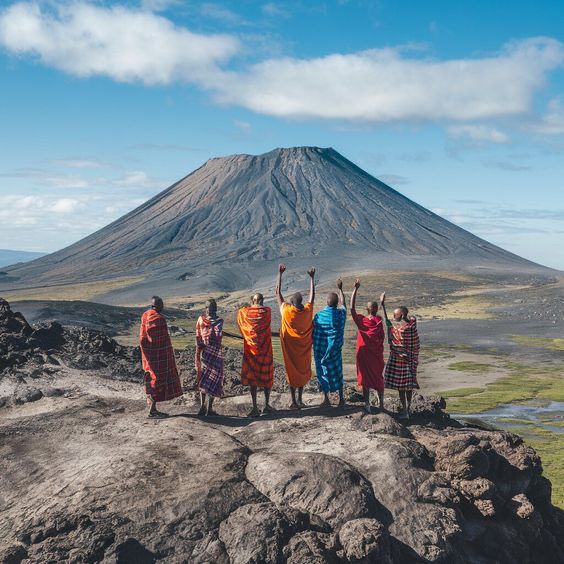
What Is a Premium Tanzania Cultural Safari?
A premium Tanzania cultural safari focuses on authentic cultural immersion while maintaining high-quality guiding, ethical tourism practices, and comfortable travel experiences.
Unlike basic village visits, premium cultural safaris include:
-
Expert cultural guides with anthropological knowledge
-
Small groups for deeper interaction
-
Authentic community experiences
-
Cultural homestays when appropriate
-
Traditional meals with local families
-
Visits to local craft and farming communities
These safaris help travelers understand how traditional cultures coexist with wildlife conservation and modern development in Tanzania.
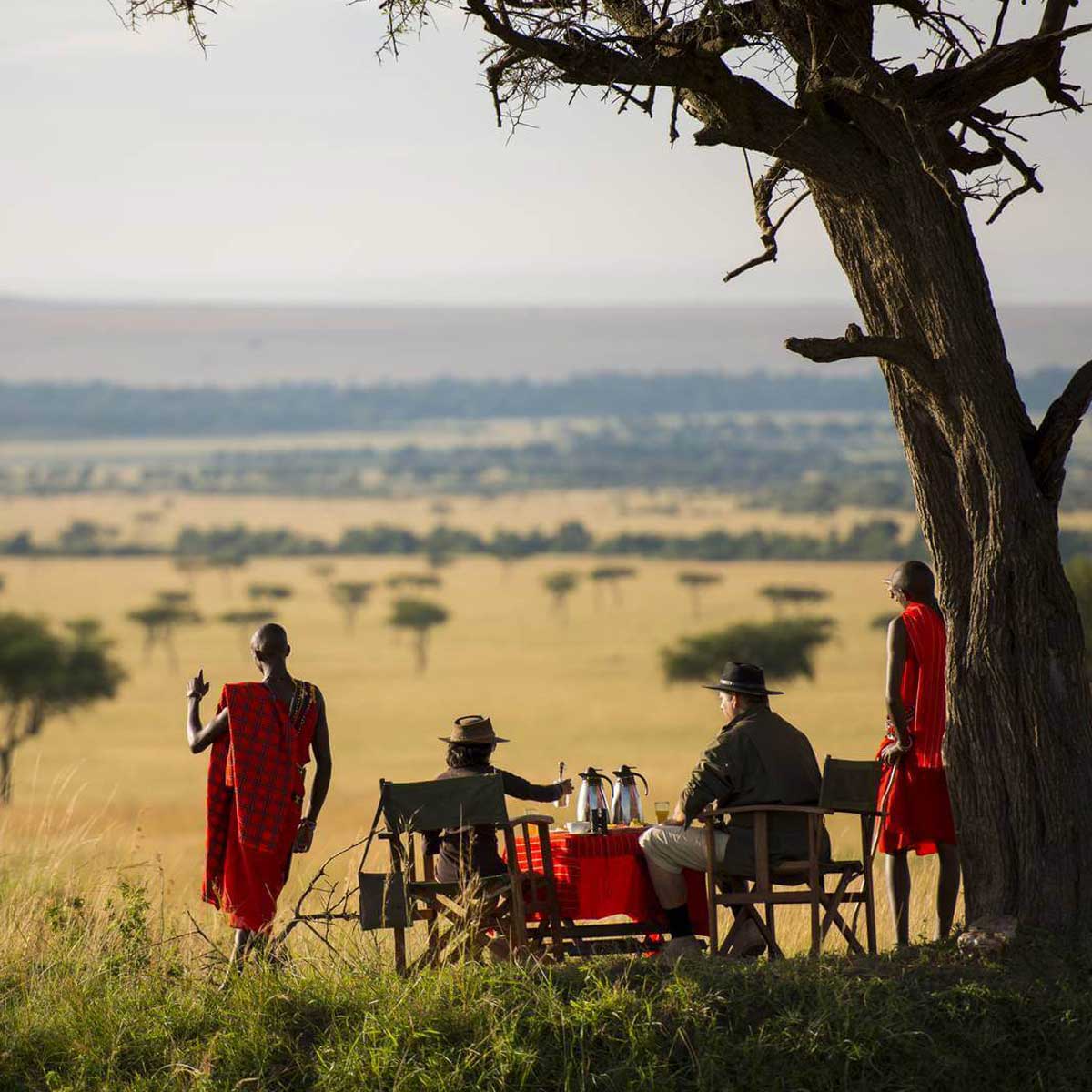
The Maasai People: Guardians of Tradition and the Land
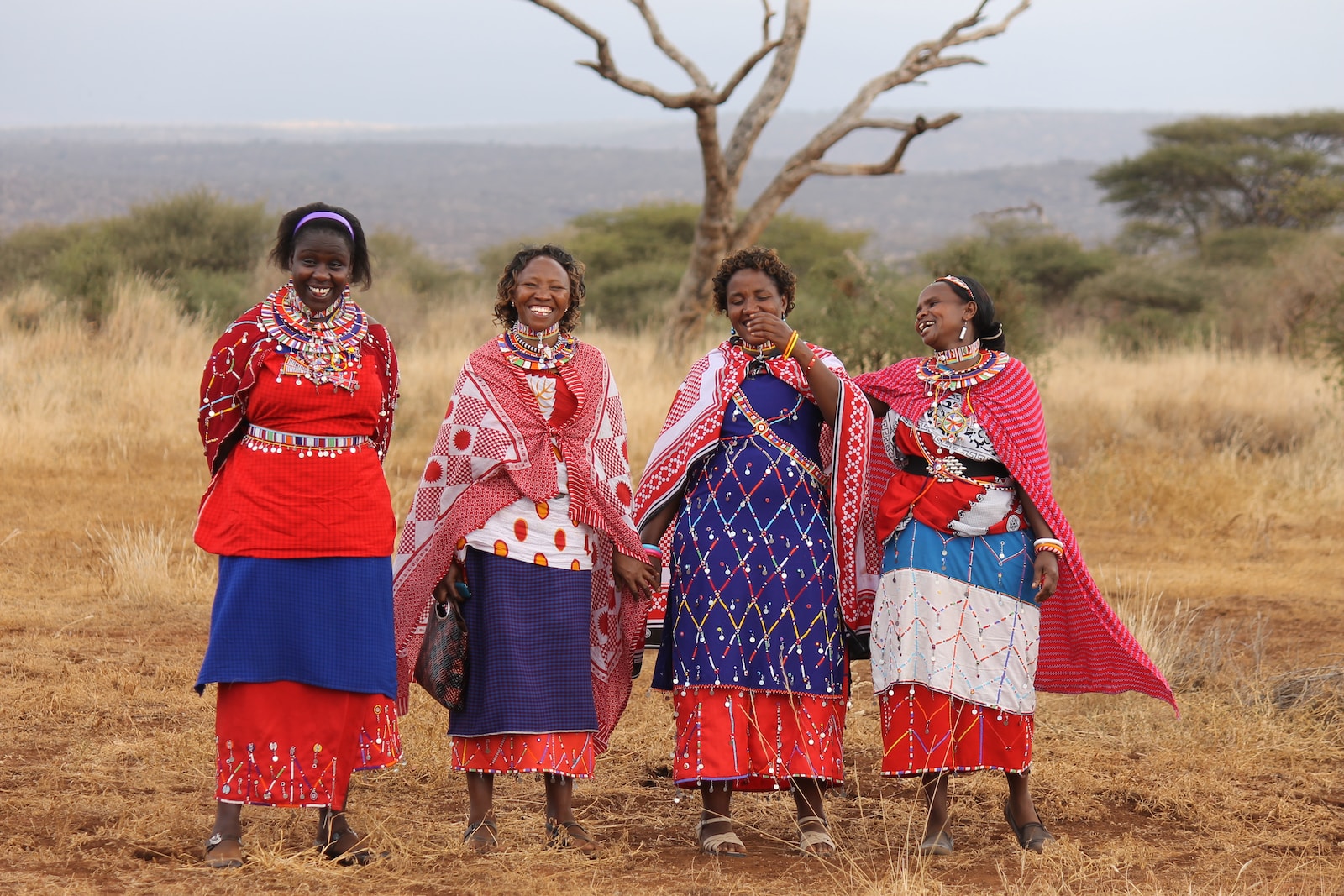
The Maasai are one of the most recognizable and culturally rich communities in East Africa and are often considered a highlight of a premium Tanzania cultural safari. Living primarily in northern Tanzania and southern Kenya, the Maasai have maintained their semi-nomadic pastoral lifestyle for centuries. Their culture revolves around cattle, which are considered the most valuable form of wealth and are deeply tied to social status, marriage traditions, and daily survival. Visitors on a cultural safari can learn how the Maasai move their livestock seasonally in search of grazing land and water, demonstrating a deep understanding of their environment.
Maasai communities live in traditional homesteads known as bomas, which are circular enclosures made from branches and mud, designed to protect families and livestock from predators. During a visit, travelers may observe the famous Maasai jumping dance, also known as the Adumu, performed by young warriors as part of ceremonies and celebrations. This energetic dance symbolizes strength, endurance, and pride within Maasai society. Women play a significant role in the community as well, particularly through their intricate beadwork, which is used to create beautiful necklaces, bracelets, and decorative garments. Each color used in Maasai beadwork carries symbolic meaning related to bravery, unity, peace, or cattle. A meaningful cultural safari experience may include spending time with Maasai families, learning about their traditions, sharing stories, and gaining insight into how the community balances cultural preservation with modern challenges and wildlife conservation.
The Hadzabe: Tanzania’s Last Hunter-Gatherers
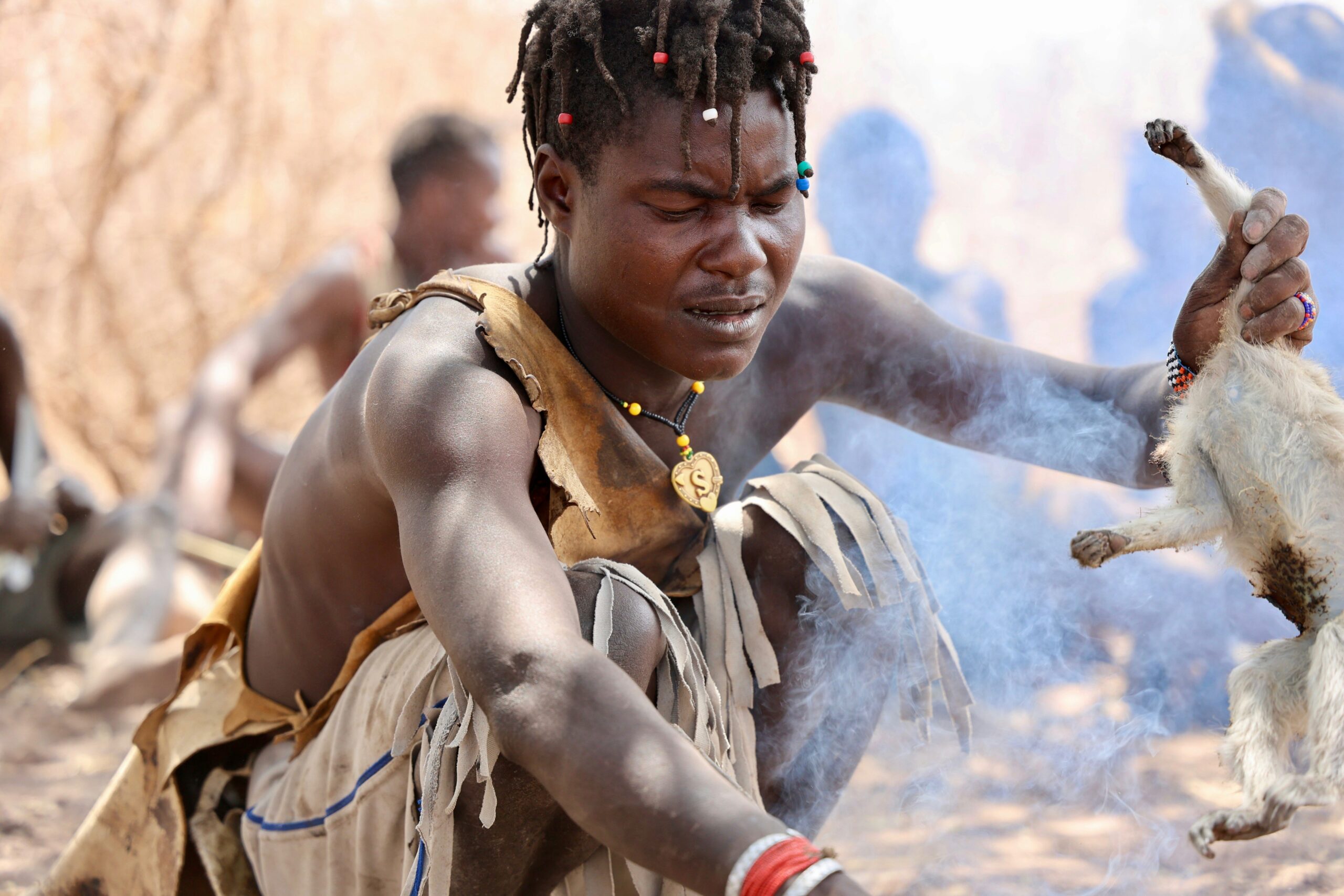
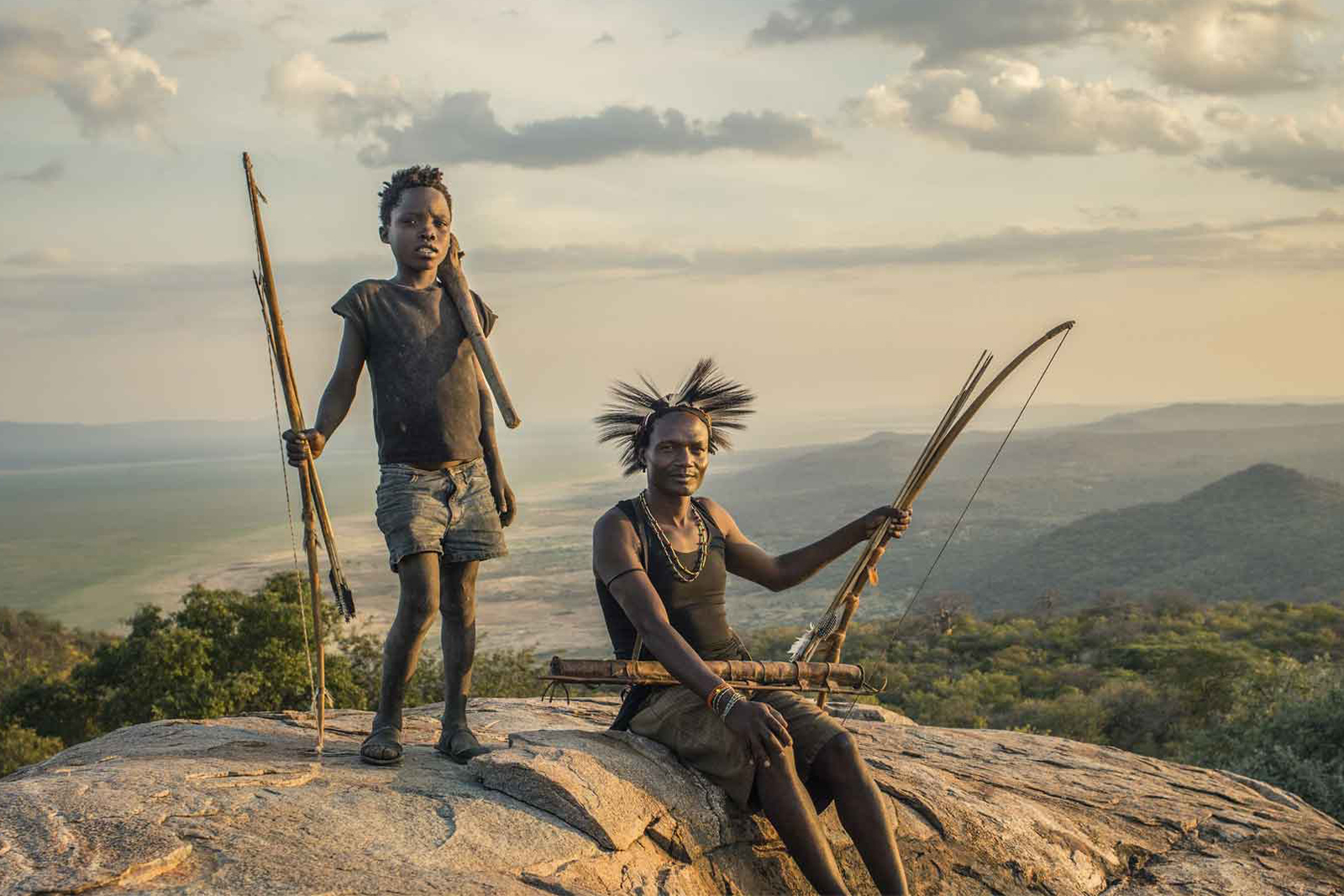
Among the most extraordinary cultural experiences in Tanzania is meeting the Hadzabe, one of the last remaining hunter-gatherer societies in Africa. The Hadzabe live around Lake Eyasi in northern Tanzania and have maintained a way of life that closely resembles that of early human societies thousands of years ago. Their lifestyle depends entirely on the natural environment, relying on hunting wild animals and gathering fruits, berries, and honey from the surrounding bush.
During a premium Tanzania cultural safari, visitors may accompany Hadzabe hunters early in the morning as they track animals using traditional skills passed down through generations. The Hadzabe hunt with handmade bows and poison-tipped arrows, using remarkable tracking abilities and a deep knowledge of animal behavior. They can identify animal footprints, determine the direction and age of tracks, and locate wildlife that most people would never notice. In addition to hunting, the Hadzabe are experts at finding edible plants, roots, and tubers that grow in the bush. Honey gathering is another important activity, often involving cooperation with a small bird known as the honeyguide, which leads hunters to wild beehives hidden in trees.
The Hadzabe language is unique and includes clicking sounds similar to languages spoken by some southern African communities. Spending time with the Hadzabe offers visitors a rare opportunity to witness a culture that remains deeply connected to nature and survival skills that have sustained human life for millennia. These encounters are conducted respectfully and help support the preservation of Hadzabe traditions in a rapidly changing world.
The Datoga: Skilled Metalworkers and Cattle Herders
Another fascinating community found near Lake Eyasi is the Datoga, a pastoralist group known for their impressive craftsmanship and strong warrior traditions. The Datoga have lived in northern Tanzania for centuries and are recognized for their ability to produce metal tools and jewelry using traditional techniques. Their blacksmithing skills are particularly remarkable because they use simple handmade furnaces and tools to transform scrap metal into knives, arrowheads, bracelets, and other items used in everyday life.
During a cultural safari, visitors can watch Datoga artisans working in their workshops, where they melt metal over charcoal fires and shape it using basic hammers and anvils. This process demonstrates an extraordinary level of skill and creativity passed down through generations. Datoga women are also known for their distinctive clothing and decorative jewelry, often made from copper and brass. Their leather garments are carefully crafted and adorned with colorful beads, creating a striking and recognizable appearance.
Beyond their craftsmanship, the Datoga maintain a pastoral lifestyle centered around cattle and goats. Their communities are organized around strong family structures and traditional leadership systems. Cultural visits allow travelers to learn about Datoga farming methods, traditional ceremonies, and their historical relationships with neighboring communities such as the Maasai and the Hadzabe.
The Chagga: Coffee Farmers of Mount Kilimanjaro
The Chagga people live on the fertile slopes of Mount Kilimanjaro, where volcanic soil and abundant rainfall create ideal conditions for agriculture. For centuries, the Chagga have developed sophisticated farming systems that support large populations in the region. One of their most famous agricultural products is Kilimanjaro Arabica coffee, which is highly regarded around the world.
A cultural safari in the Kilimanjaro region often includes visiting Chagga villages where travelers can learn about traditional farming practices and local history. The Chagga have constructed intricate irrigation channels that carry water from mountain streams to their farms, allowing them to grow crops such as bananas, coffee, and maize. Bananas are particularly important in Chagga culture and are used to make a traditional drink known as banana beer, which plays a role in social gatherings and ceremonies.
Visitors may also explore historical underground caves that were used by Chagga communities as protection during past tribal conflicts. These caves provide a fascinating glimpse into the region’s history and the strategies communities used to survive challenging times. During a coffee tour, travelers can participate in the entire coffee-making process, from harvesting the beans to roasting and grinding them using traditional tools. The experience usually ends with tasting freshly brewed coffee while listening to stories about Chagga culture and daily life on the slopes of Africa’s highest mountain
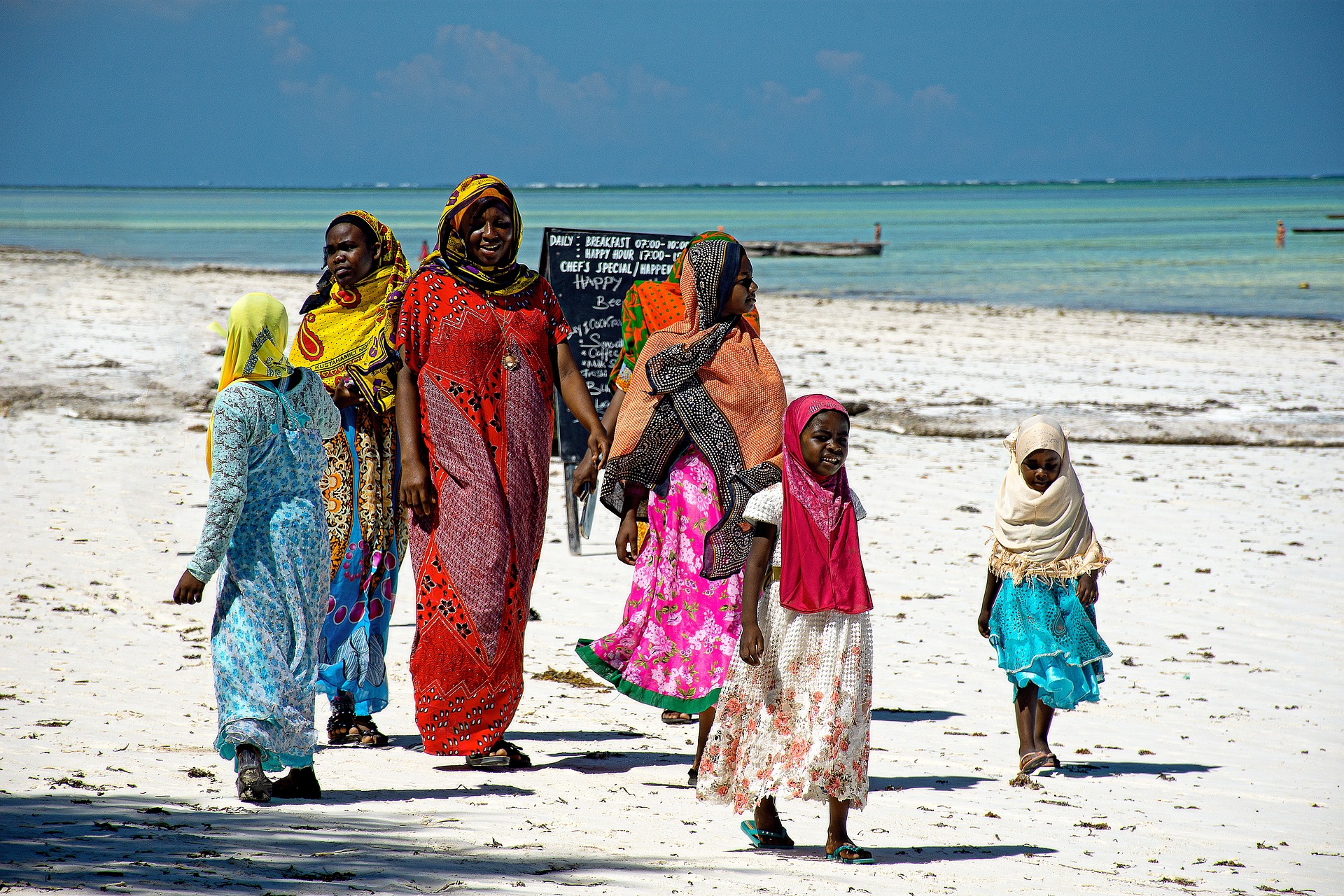
Premium Zanzibar Cultural Experience: Authentic Swahili Heritage Tours