The Serengeti National Park, renowned for its breathtaking landscapes and rich wildlife, attracts thousands of travelers each year. One of the most common questions for anyone planning a visit is, “When is the best time to visit the Serengeti?” This comprehensive guide offers a month-by-month analysis of the best times to visit, focusing on wildlife migration, river crossings, and optimal times for observing various animal species.
Best Time to Visit Serengeti: What You Need to Know First
The Serengeti is famous for its vast plains, diverse wildlife, and the yearly Great Migration, where millions of wildebeest, zebras, and gazelles traverse the landscape in search of fresh grazing pastures. Understanding the seasons and wildlife behavior is crucial for planning your trip.
Season Overview best time to visit Serengeti
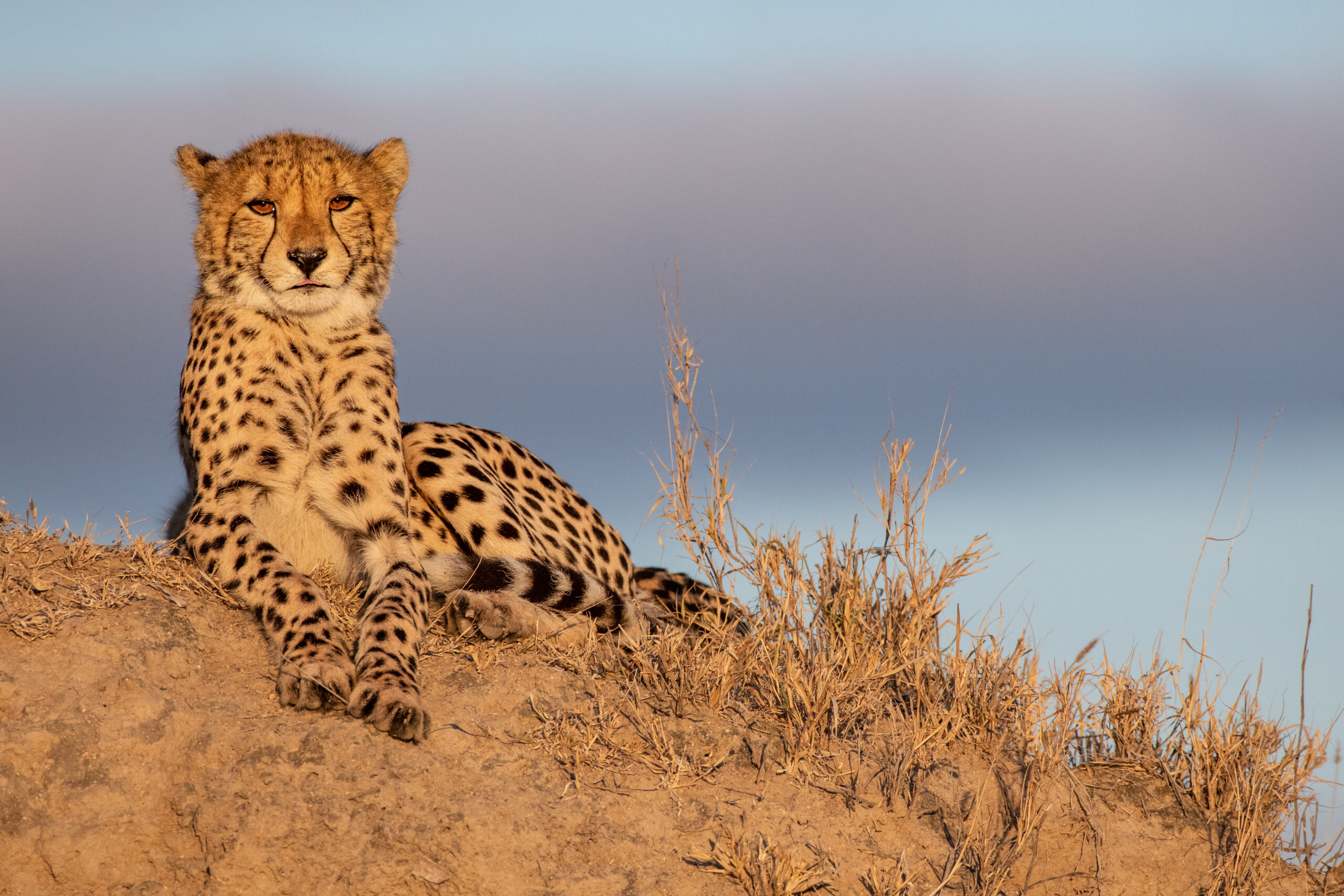
The Serengeti experiences two primary seasons: the dry season and the wet season. Each season has its unique features, and your experience will differ dramatically based on when you visit.
• Dry Season (June to October): This period is characterized by limited rainfall, resulting in grasses becoming sparse. Wildlife tends to congregate around water sources, making sightings more frequent.
• Wet Season (November to May): Marked by intermittent rains, this season sees lush landscapes and the birth of many young animals. While wildlife is more dispersed, it offers unique opportunities for birdwatching and observing animal behavior.
Month-by-Month Breakdown best time to visit Serengeti
January
Overview: January is a fantastic month to visit the Serengeti, as it’s the height of the wet season. The lush greenery offers stunning views while many animals give birth during this month.
Activities:
• Witness the calving season of wildebeests, typically in the Southern Serengeti.
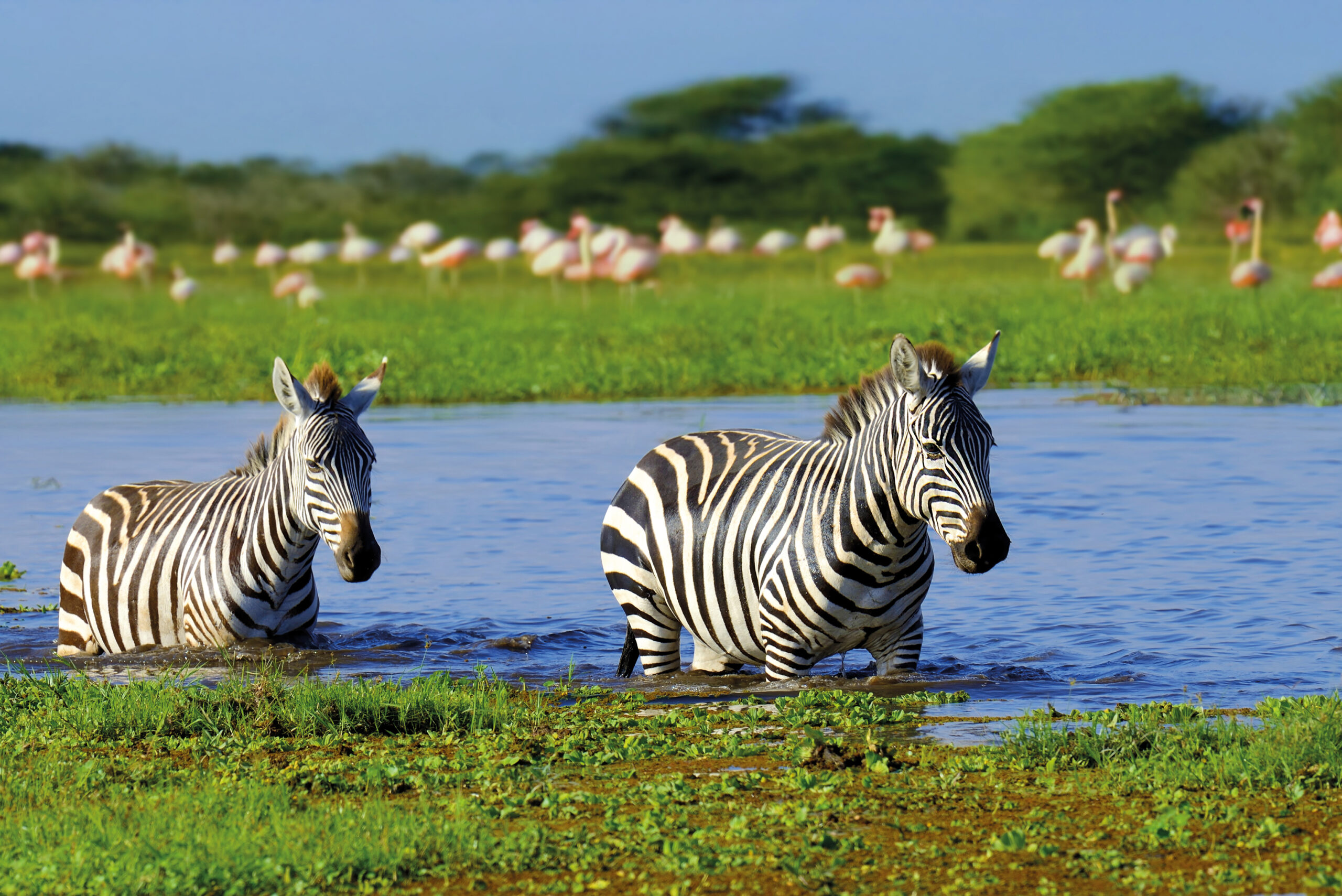
• Enjoy excellent birdwatching opportunities, with migratory species present.
Wildlife Viewing: Expect to see newborn wildebeest, as well as predators such as lions and cheetahs taking advantage of the vulnerable calves.
February
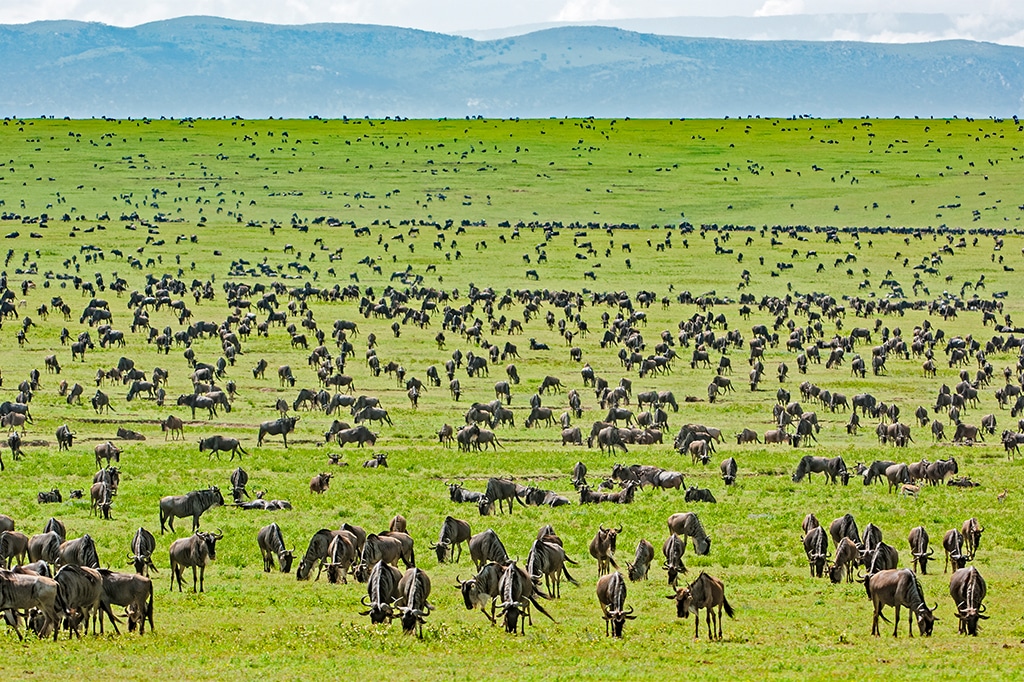
Overview: February is the peak calving season, where many wildebeests give birth. The grassy plains are teeming with life, providing excellent opportunities for wildlife photography.
Activities:
• Experience the spectacular sight of thousands of wildebeest calves.
• Predator sightings increase, as lions and hyenas take advantage of the abundant food source.
Wildlife Viewing: Large herds of wildebeest and zebra can be seen, accompanied by predators like lions and hyenas.
March
Overview: March marks the transition from the calving season to the migratory herds beginning to move north. Rainfall diminishes, and wildlife remains concentrated around the Southern Serengeti.
Activities:
• Enjoy the early stages of migration as herds start moving towards the central Serengeti.
• Excellent opportunities for photographing baby animals.
Wildlife Viewing: Continued sightings of wildebeest and their young, alongside large prides of lions.
April
Overview: As the wet season peaks, April brings heavier rains that can impact access to some areas of the park. However, this is also a time of incredible lushness and vibrant landscapes.
Activities:
• Engage in quieter, fewer tourist crowds; perfect for those seeking a more intimate experience.
• Photographers can capture stunning landscapes with vibrant hues.
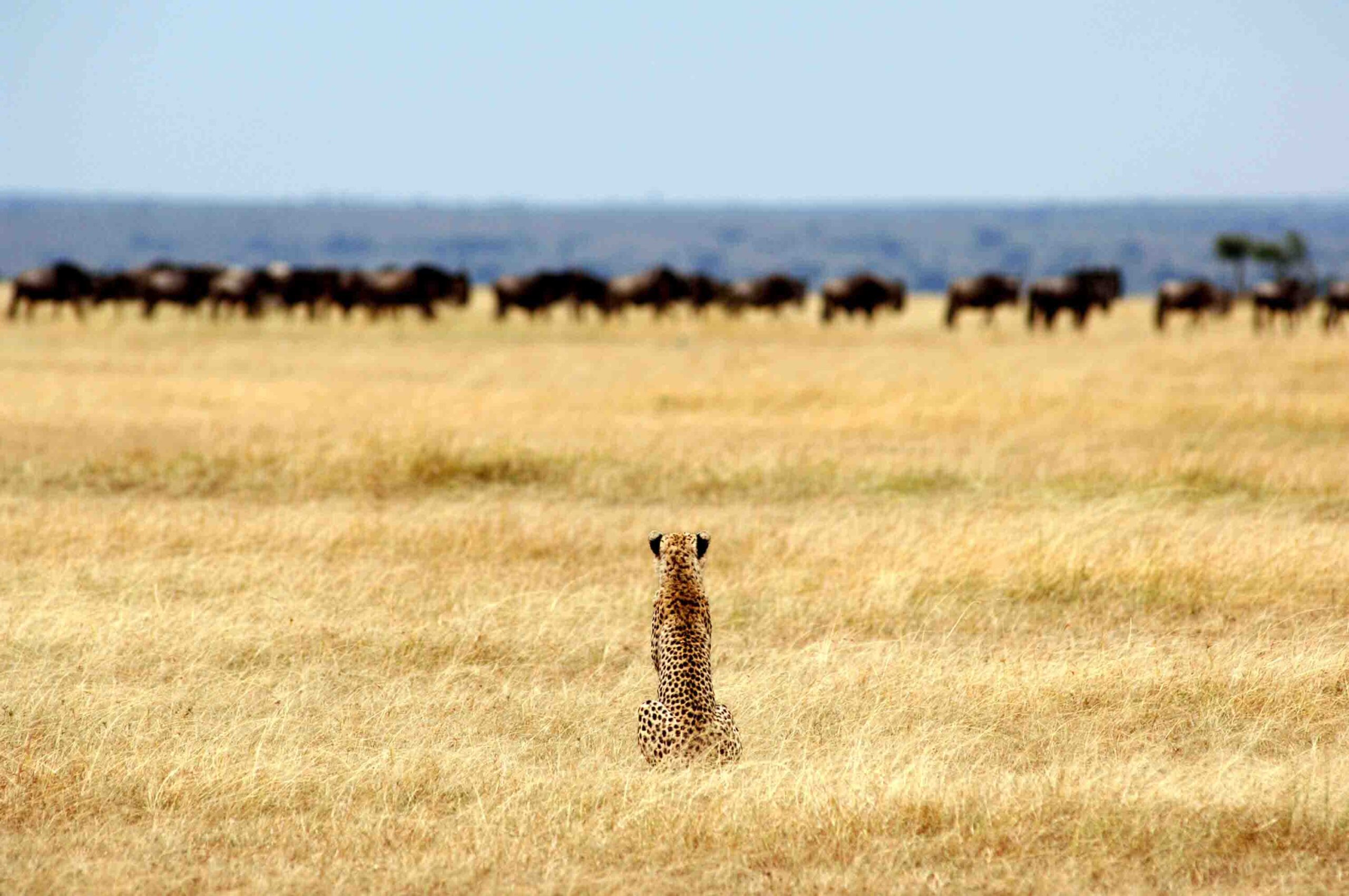
Wildlife Viewing: While wildlife is dispersed, some predators will still be active, and migratory birds are easily spotted.
May
Overview: May marks the end of the wet season and the transition toward the dry season. The lush environments make it visually stunning, and wildlife viewing begins to improve as it dries out.
Activities:
• Great time for cultural tours and local interactions as the rainy season recedes.
• Prepare for the upcoming migration as herds start moving back towards the center.
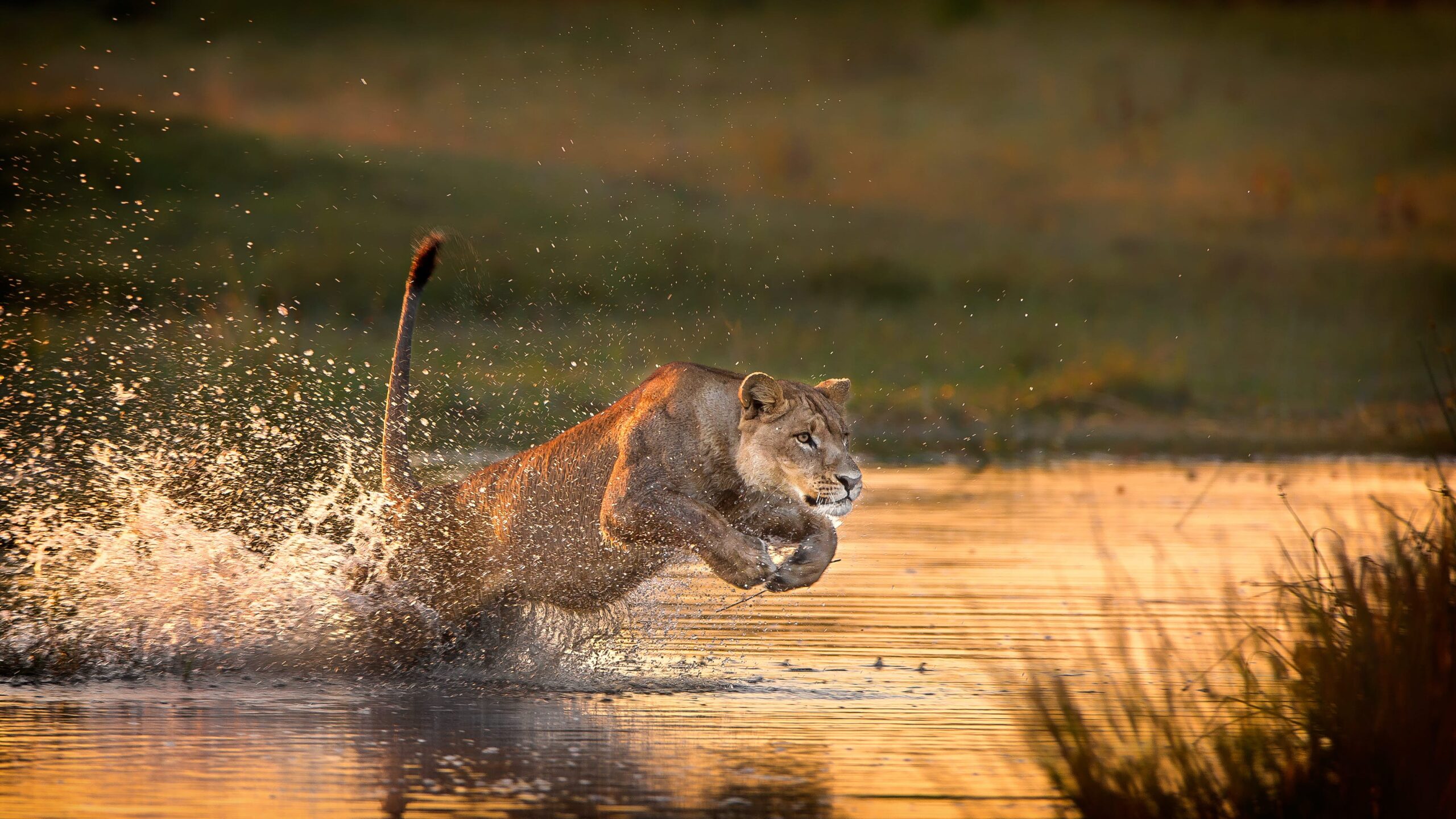
Wildlife Viewing: Increasing sightings of animals as they congregate around diminishing water sources.
June
Overview: June heralds the beginning of the dry season, making it an ideal time for wildlife viewing in the Serengeti. The grasses begin to dry, forcing animals to congregate near water.
Activities:
• Enjoy fantastic game drives with higher chances of predator sightings.
• Travel through the park with more accessibility due to drier conditions.
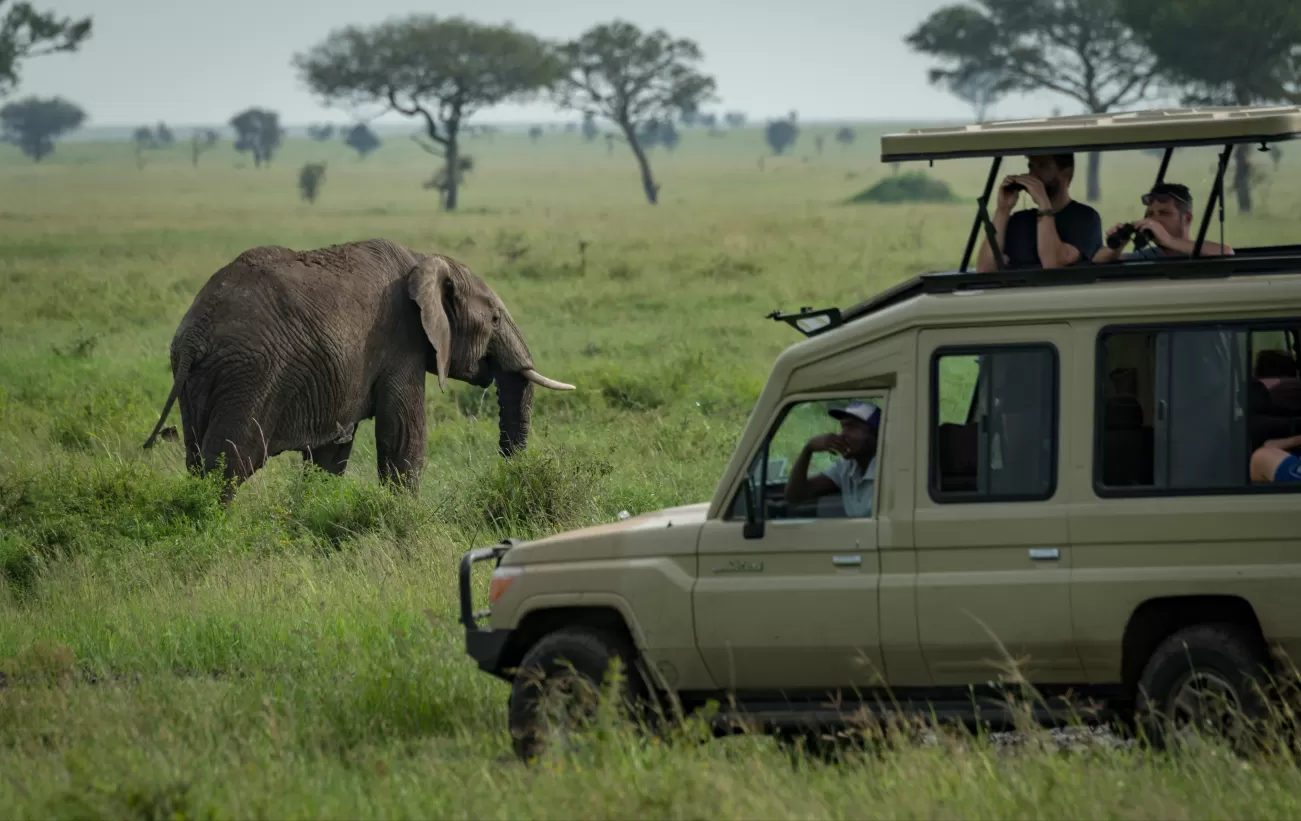
Wildlife Viewing: Look out for lions, elephants, and hippos along rivers and waterholes.
July
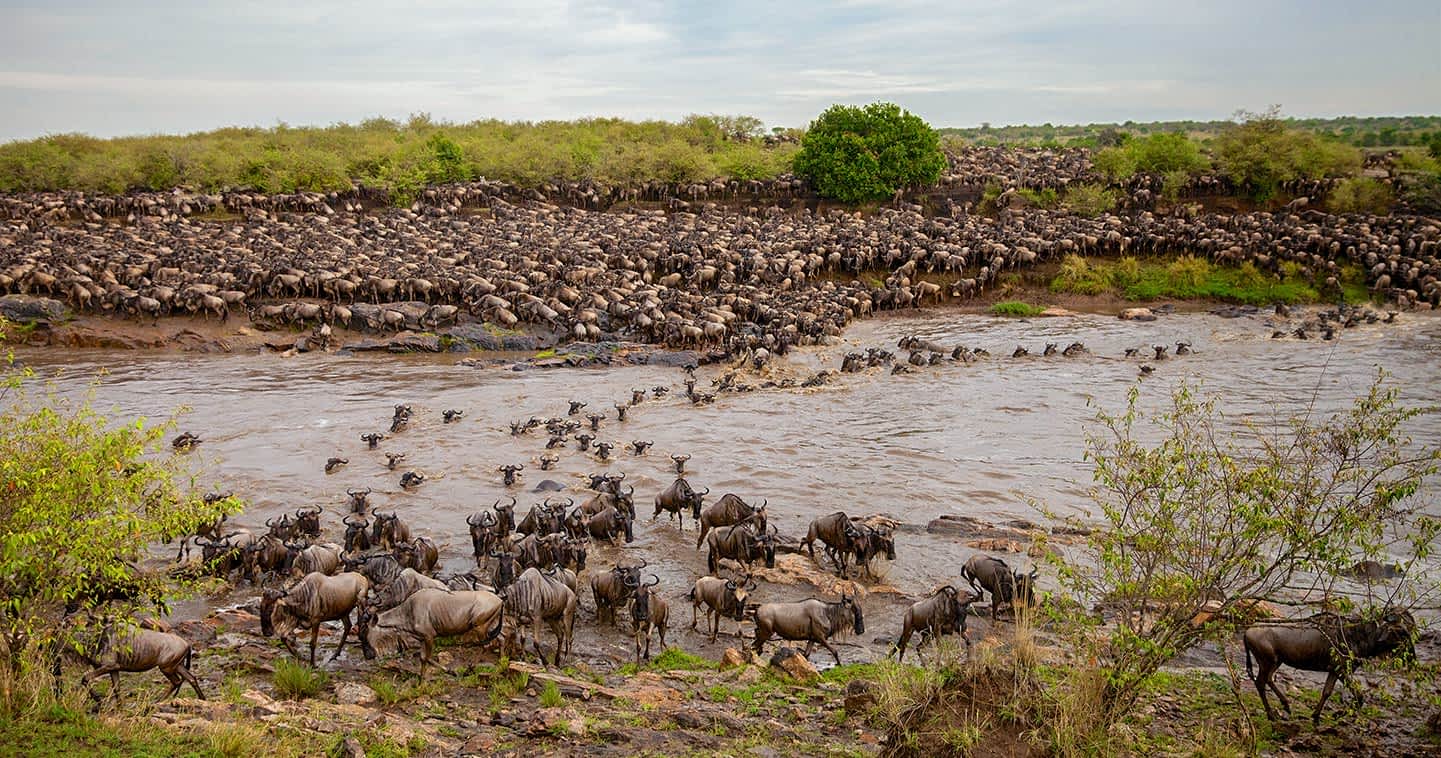
Overview: July is a peak month for observing the Great Migration, where wildebeests begin crossing the Grumeti River—a thrilling spectacle!
Activities:
• Witness dramatic river crossings, a highlight of any safari.
• Excellent wildlife viewing along the riverbanks.
Wildlife Viewing: Migratory herds, crocodiles, and numerous predators all congregate near the riverbanks.
August
Overview: August continues the excitement of the Great Migration with opportunities for river crossings. The Serengeti remains bustling with wildlife activity.
Activities:
• Engage in thrilling river crossing watching experiences.
• Visit both the northern and central Serengeti for varied wildlife sightings.
Wildlife Viewing: Large concentrations of wildebeest, zebras, and predators along the rivers.
September
Overview: As the dry season continues, September is a fantastic time for wildlife sightings, with animals easily spotted as they search for water sources.
Activities:
• Enjoy excellent photographic opportunities with clear visibility.
• Participate in walking safaris for a different perspective.
Wildlife Viewing: High concentrations of wildlife around waterholes, including elephants, buffalo, and antelopes.
October
Overview: October marks the end of the dry season, and many animals still gather around water sources. The landscape begins to change as the first rains approach.
Activities:
• Perfect for last-minute wildlife photography before the wet season.
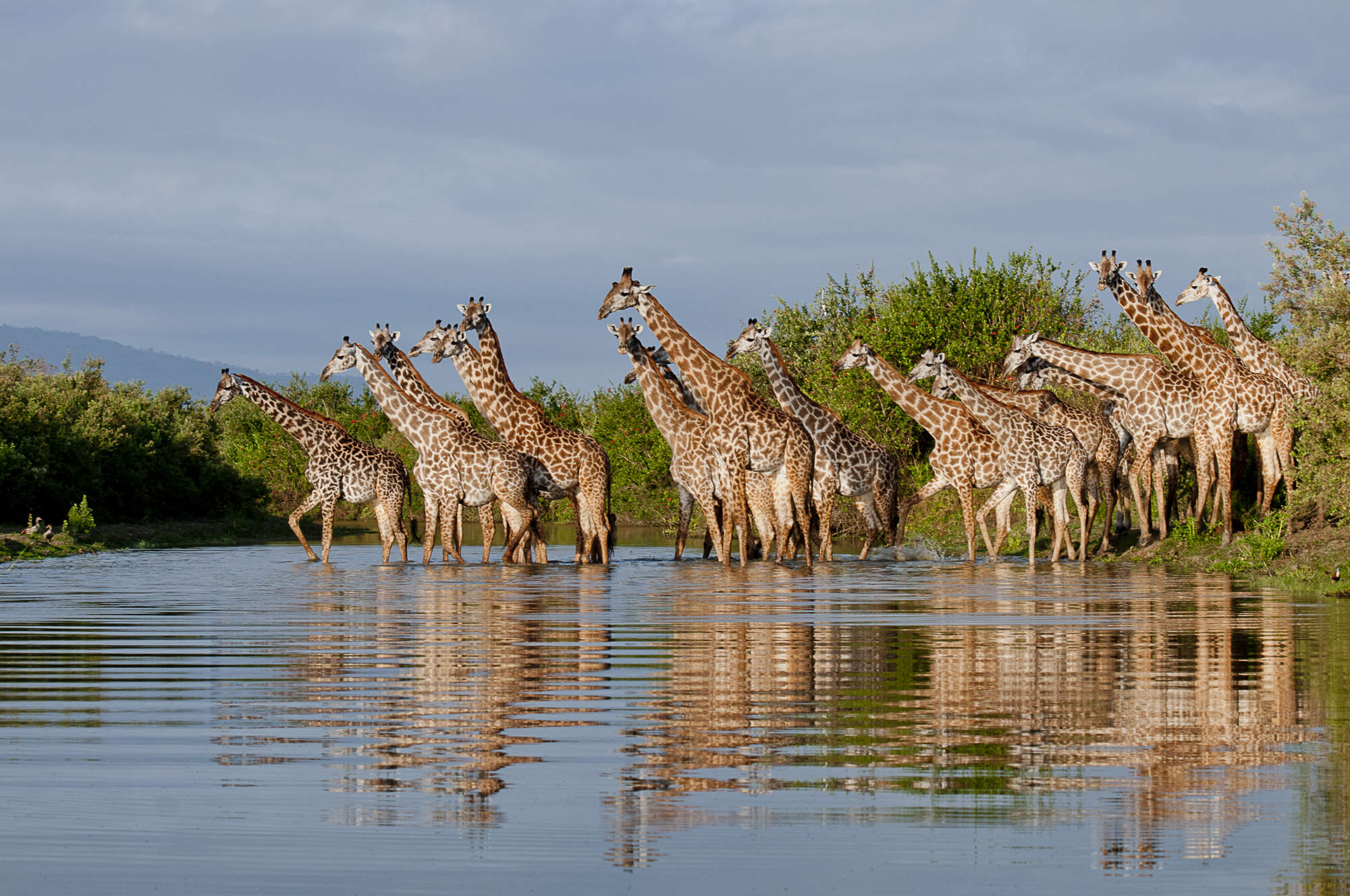
• Attractions of wildlife such as elephants, giraffes, and big cats around diminishing waterholes.
Wildlife Viewing: Great time for big cat sightings and mixed herds grazing.
November
Overview: November marks the beginning of the short rainy season, leading to lush greenery and changing landscapes once again. Animal movements start to shift.
Activities:
• Engage in cultural experiences as the parks become less crowded.
• Good time for birdwatching as migratory birds return.
Wildlife Viewing: Grazing animals return to the plains, with lions and other predators following.
December
Overview: December is characterized by the start of the calving season once again in the Southern Serengeti. The landscape starts to regain its lushness.
Activities:
• Experience the festive atmosphere and lesser crowds.
• Wildlife photographers can capture vibrant landscapes and young animals.
Wildlife Viewing: Return of migratory birds, as well as the first sightings of newborn wildebeests.
Conclusion
The best time to visit the Serengeti hinges on your interests—whether you’re after the Great Migration spectacle, seeking wildlife sightings, or immersing yourself in the lush landscapes. Each month offers unique opportunities, from the calving season in January to the thrilling river crossings in July and August.
By planning your trip carefully and considering these factors, including the activities you wish to engage in, you can tailor your experience to become unforgettable.
: Ready to embark on your next adventure? Explore safari packages available at Forever Nature Safaris to find the perfect tour that fits your timing and interests in the Serengeti!
FAQ best time to visit Serengeti
Q1: What is the best time to visit Serengeti?
A: The best time to visit Serengeti is from June to October for wildlife viewing and January to February for the calving season.
Q2: When is the Great Migration in Serengeti?
A: The migration happens year-round, with river crossings from July to October and calving from January to February.
Q3: Is Serengeti good in the rainy season?
A: Yes, the wet season offers fewer crowds, lush landscapes, and excellent birdwatching.
Q4: What is the cheapest time to visit Serengeti?
A: April and May are the most affordable months due to low season rates.
Q5: How many days do you need in Serengeti?
A: Ideally 3–5 days to fully experience wildlife and different regions.