Two Parks, One Extraordinary Safari
Lake Manyara Tarangire safari guide is the perfect starting point for planning one of Tanzania’s most rewarding short safaris. Combining two completely different ecosystems—Lake Manyara’s lush groundwater forest and Tarangire’s vast baobab-dotted savannah—this itinerary delivers exceptional wildlife diversity in just a few days.
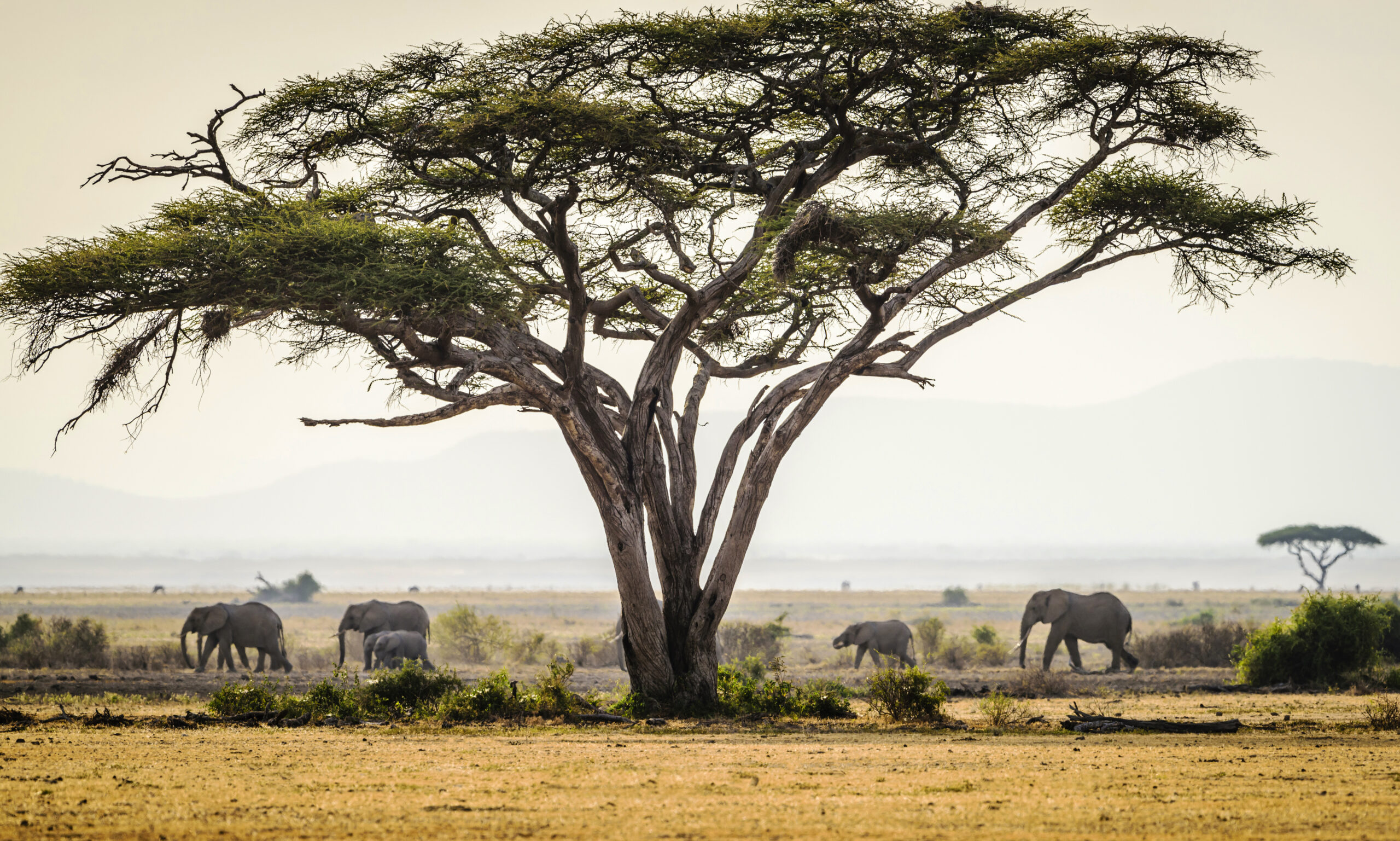
Tarangire is big, wild, and elephant-dense. In the dry season, it hosts the highest concentration of elephants in Tanzania outside the Serengeti, drawing hundreds of these animals to the Tarangire River as other water sources dry up. The landscape is dramatic — ancient baobab trees rising from golden grass, herds of buffalo kicking up red dust.
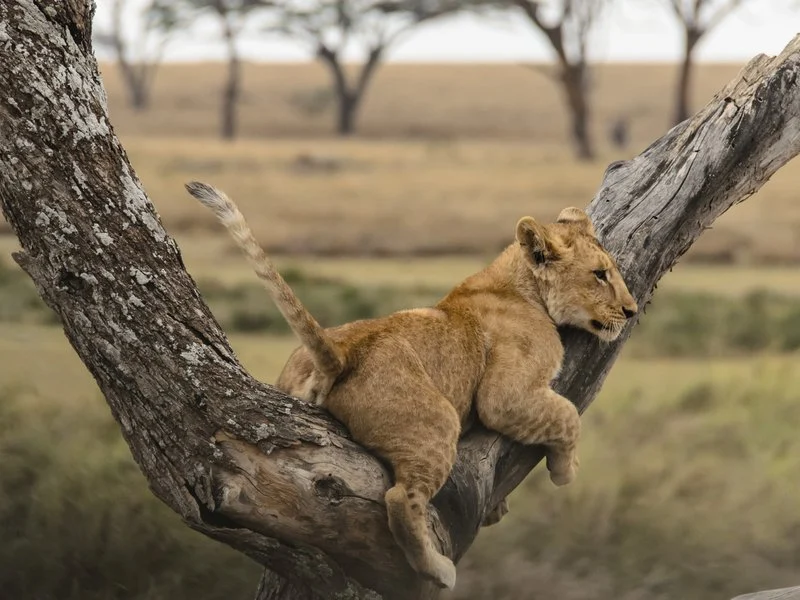
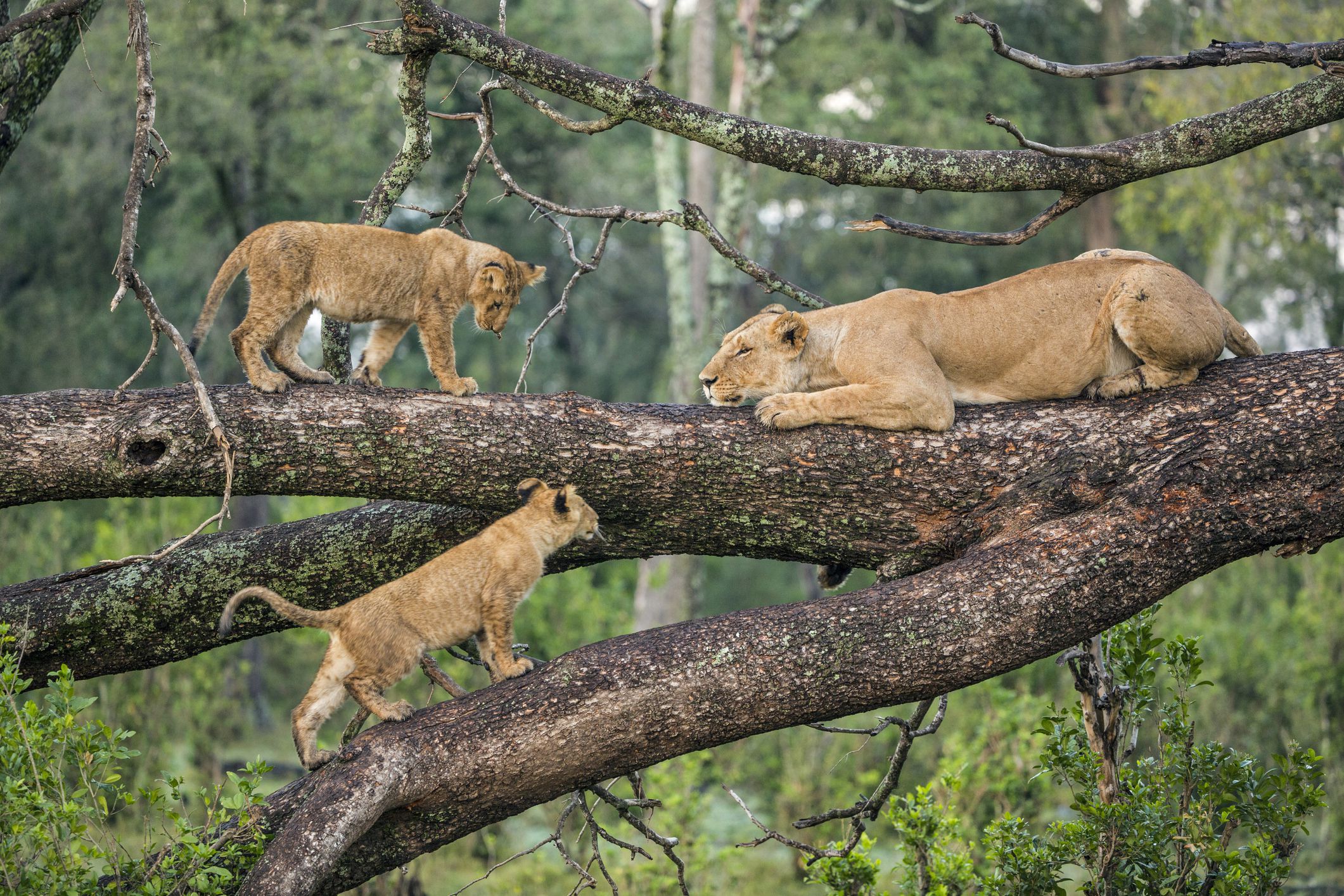
Lake Manyara is compact and surreal. The park occupies a narrow strip of land between the cliffs of the Great Rift Valley and the alkaline lake itself, where tens of thousands of flamingos gather in pink clouds across the shallows. And then there are the lions — Manyara’s tree-climbing lions are among the most photographed subjects in safari photography.
Lake Manyara National Park: What You Need to Know
| Detail | Information |
|---|---|
| Size | 648 sq km (of which 229 sq km is the lake) |
| Location | Manyara Region, northern Tanzania |
| Drive from Arusha | 2 hours (130 km) |
| Park entry fee | $53 per adult per day (non-resident) |
| Best time to visit | June–October; November for flamingos |
| Key wildlife | Tree-climbing lions, elephant, hippo, flamingo, baboon |
| Recommended nights | 1–2 nights |
Tree-Climbing Lions: Fact or Fiction?
This is the most googled question about Lake Manyara, and the answer is: very much fact. The lions here have developed a habit of resting in the branches of acacia and fig trees — behaviour rarely seen elsewhere in Africa. Theories range from escaping ground-level insects to getting a better view of prey, but the definitive explanation remains contested.
The best tree-climbing lion sightings typically happen in the morning on the northern section of the main road. Ask your guide to focus that area first.
Flamingos at Lake Manyara
When conditions are right — typically November and after short rains — hundreds of thousands of lesser and greater flamingos line the lake’s shore in rosy ribbons. It is one of Africa’s great ornithological spectacles. The lake’s alkalinity changes seasonally, affecting flamingo numbers, so ask operators about current conditions before finalising dates.
Tarangire Highlights
Baobab Landscapes
Tarangire has some of the most ancient and impressive baobab trees in East Africa — some estimated to be over 1,000 years old. They punctuate the golden landscape like prehistoric sculptures, providing extraordinary foreground for wildlife photography.
Wild Dogs and Cheetah
Tarangire is one of the better places in the northern circuit to encounter African wild dogs, which den in the park periodically. Cheetah sightings are more reliable than in some other northern parks, particularly in the open grassland areas.
Best Itinerary: Lake Manyara & Tarangire (5 Days)
| Day | Location | Activity |
|---|---|---|
| Day 1 | Arrive Arusha | Transfer, briefing, overnight Arusha |
| Day 2 | Lake Manyara NP | Full day game drive — tree lions, flamingos, groundwater forest |
| Day 3 | Tarangire NP (AM) | Drive from Manyara. Afternoon game drive along river |
| Day 4 | Tarangire NP | Full day — elephant herds, baobab landscapes, big cats |
| Day 5 | Tarangire (AM) → Arusha | Morning drive, depart for Arusha airport |
This 5-day itinerary works as a standalone trip or as the opening segment of a longer safari continuing to Ngorongoro and the Serengeti.
Cost Guide: Lake Manyara & Tarangire Safari
| Tier | Cost Per Person (5 nights) | What’s Included |
|---|---|---|
| Budget | $1,200 – $1,800 | Camping or basic lodge, shared game drives, park fees |
| Mid-Range | $2,500 – $4,000 | Tented camp, private drives, full board, park fees |
| Luxury | $5,000 – $9,000 | Boutique lodge, expert guiding, exclusive game areas |
Where to Stay
Lake Manyara
- Manyara Serena Safari Lodge — best views over the lake, reliable mid-range choice
- Lake Manyara Tree Lodge (&Beyond) — luxury among the mahogany trees, exceptional
- Kirurumu Manyara Lodge — eco-lodge on the escarpment with stunning rift valley panoramas
Tarangire
- Tarangire Sopa Lodge — solid mid-range, excellent elephant proximity
- Swala Camp (Asilia Africa) — superb mid-range camp in a private area of the park
- Oliver’s Camp — intimate luxury bush camp, famous for walking safaris
- Tarangire Treetops Lodge — eccentric luxury sleeping in massive baobabs
Book Your Lake Manyara & Tarangire Safari
Let our Arusha-based team design a personalised Manyara-Tarangire itinerary with the best camps for your travel dates and budget.
→ Get Your Free Safari Quote Today
FAQs Lake Manyara Tarangire safari guide
1. Is Lake Manyara worth visiting on a Tanzania safari?
Yes — Lake Manyara offers unique wildlife including tree-climbing lions, flamingos, and excellent elephant viewing in a compact, beautiful setting. It’s particularly valuable as a 1–2 night addition to a longer northern circuit itinerary.
2. What is Tarangire National Park famous for?
Tarangire is famous for its exceptional elephant concentrations during the dry season, its ancient baobab landscapes, and its healthy populations of lions, cheetah, and wild dog. It rivals the Serengeti for wildlife density from June to October.
3. How many days do you need for Tarangire?
Two to three nights in Tarangire is ideal to fully explore the park’s different zones — the river area, the open grasslands, and the northern wilderness. One night is the absolute minimum.
4. Can you really see tree-climbing lions in Lake Manyara?
Yes, the tree-climbing lions of Lake Manyara are real and well-documented. Sightings are most likely in the early morning in the northern section of the park. They are not guaranteed on every visit but sightings are reliably frequent.
5. What is the best time to visit Tarangire and Lake Manyara?
The best time is June–October (dry season) when wildlife concentrates around water sources. Tarangire is at its most spectacular from July to October when elephant herds are largest. Lake Man
6. Who watches over Tanzania’s national parks during your safari?
Tanzania’s national parks, including Lake Manyara and Tarangire, are managed and protected by the Tanzania National Parks Authority (TANAPA). This government authority is responsible for wildlife conservation, park security, and maintaining the overall safari experience. From anti-poaching patrols to road maintenance and visitor safety, TANAPA plays a critical role in ensuring that every safari is both safe and sustainable.