Serengeti National Park Serengeti National Park safari is widely regarded as the ultimate African safari experience, offering unmatched wildlife density, vast open plains, and natural drama found nowhere else on Earth.
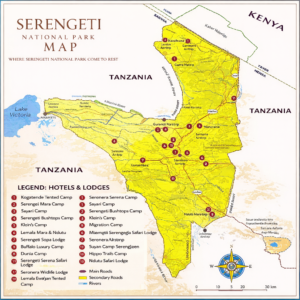
The first defining feature of the Serengeti is its sheer size. Covering approximately 14,750 square kilometers, it forms part of the wider Serengeti–Mara ecosystem, one of the largest protected wildlife areas in Africa. This vastness allows for multiple landscapes within a single park, including open grasslands, river systems, kopjes, and wooded areas. For travelers, this means longer game drives, deeper exploration, and a reduced sense of crowding. Wildlife behavior here is more natural because animals are not confined by fences or compressed spaces. The scale fundamentally changes how a safari feels, making it immersive rather than curated.
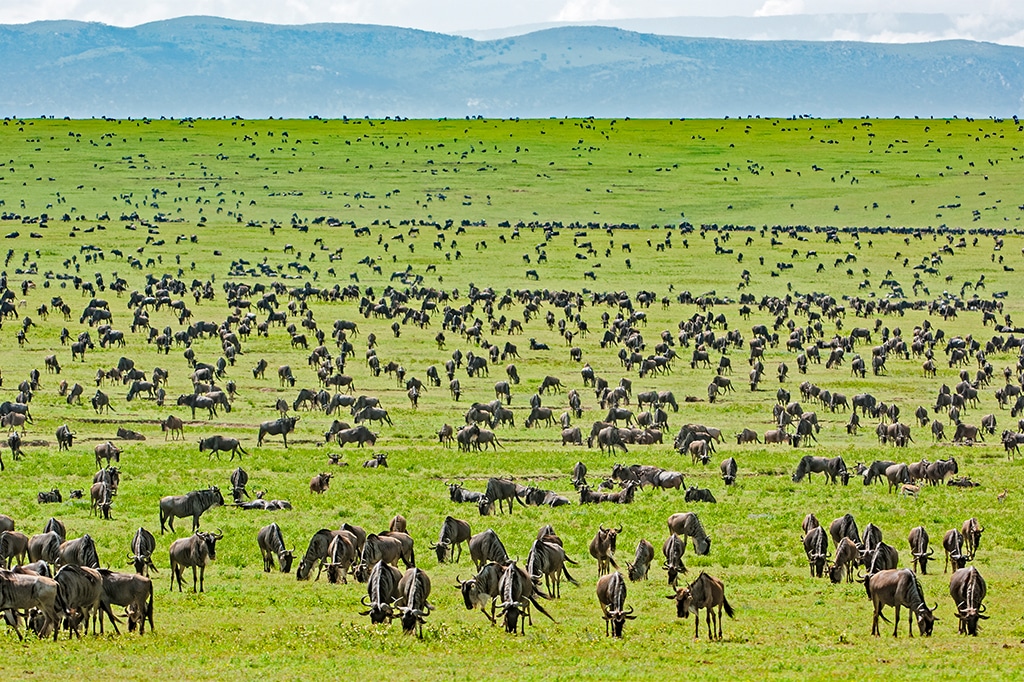
The Serengeti is also the engine behind the Great Wildebeest Migration, the largest land mammal movement on the planet. Over two million wildebeest, zebras, and gazelles move through the ecosystem in a continuous annual cycle. Calving takes place in the southern plains early in the year, followed by gradual movement west and north, dramatic river crossings in the Grumeti and Mara rivers, and a return south toward the end of the year. Unlike destinations that rely on short peak moments, the Serengeti offers predictable seasonal wildlife events throughout the year, making it one of the most reliable safari choices regardless of travel timing.
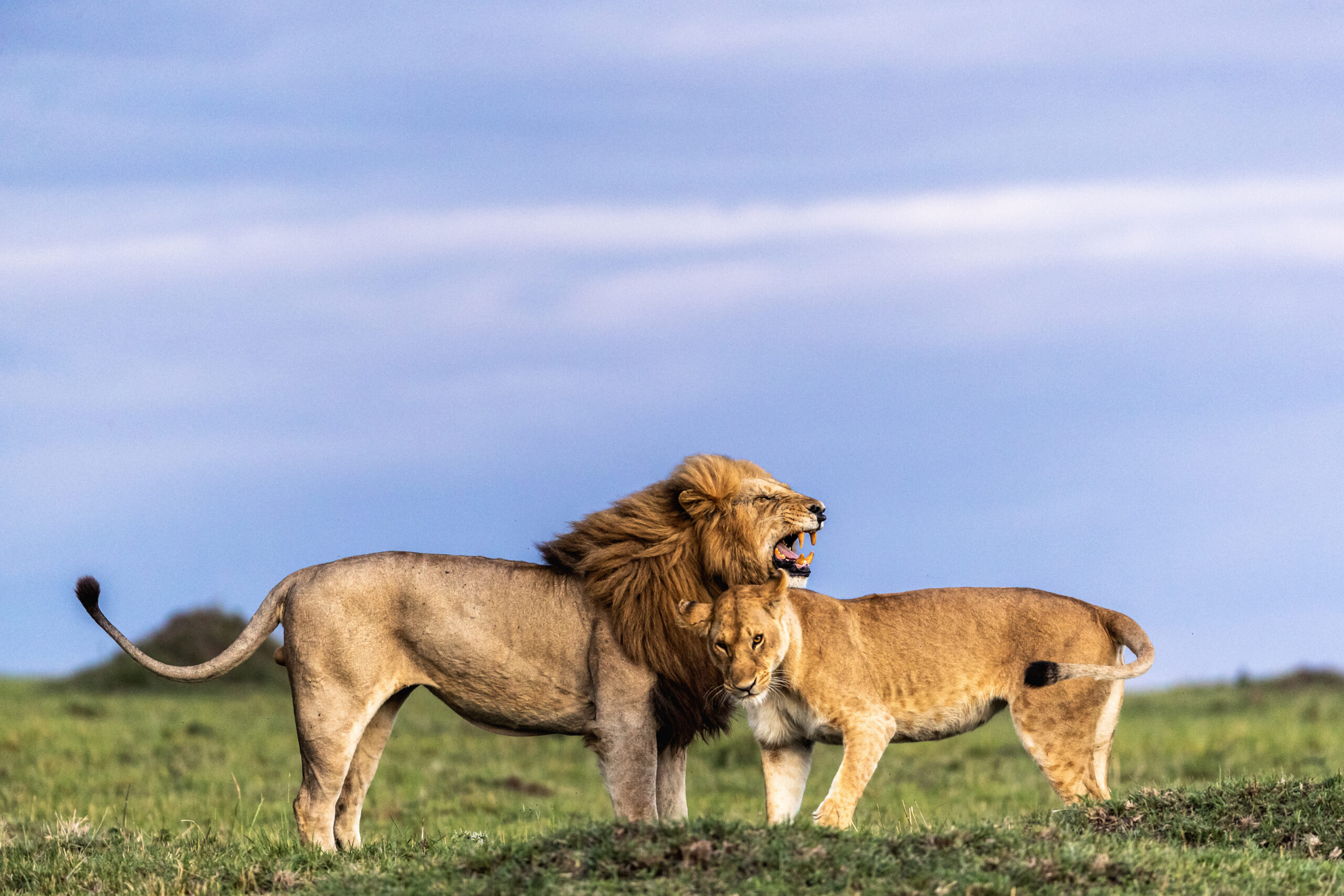
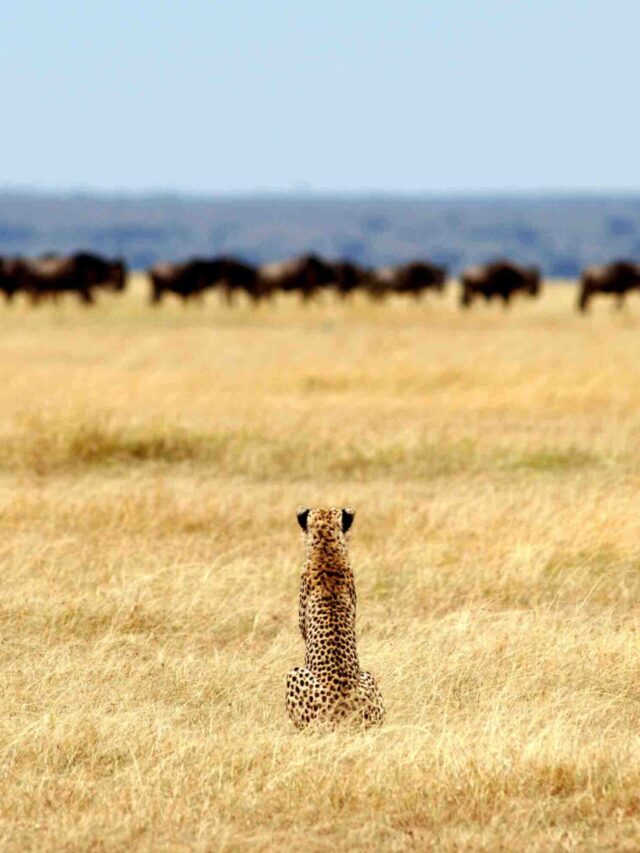
Predator density is another major strength. The Serengeti supports one of the largest lion populations in Africa, alongside strong populations of cheetahs, leopards, and spotted hyenas. Because prey is abundant year-round, predator activity is frequent and visible. Guests are not only seeing animals resting or passing through; they are witnessing hunting strategies, territorial behavior, and complex social dynamics. This elevates the experience from simple wildlife viewing to true behavioral observation.
A defining experience unique to the Serengeti is the hot air balloon safari. Floating above the plains at sunrise offers a completely different perspective on the ecosystem. From the air, the scale of the landscape becomes even more apparent as herds move below and predators retreat after night hunts. The experience typically ends with a bush breakfast, reinforcing the Serengeti’s reputation for combining wilderness with refined safari traditions.

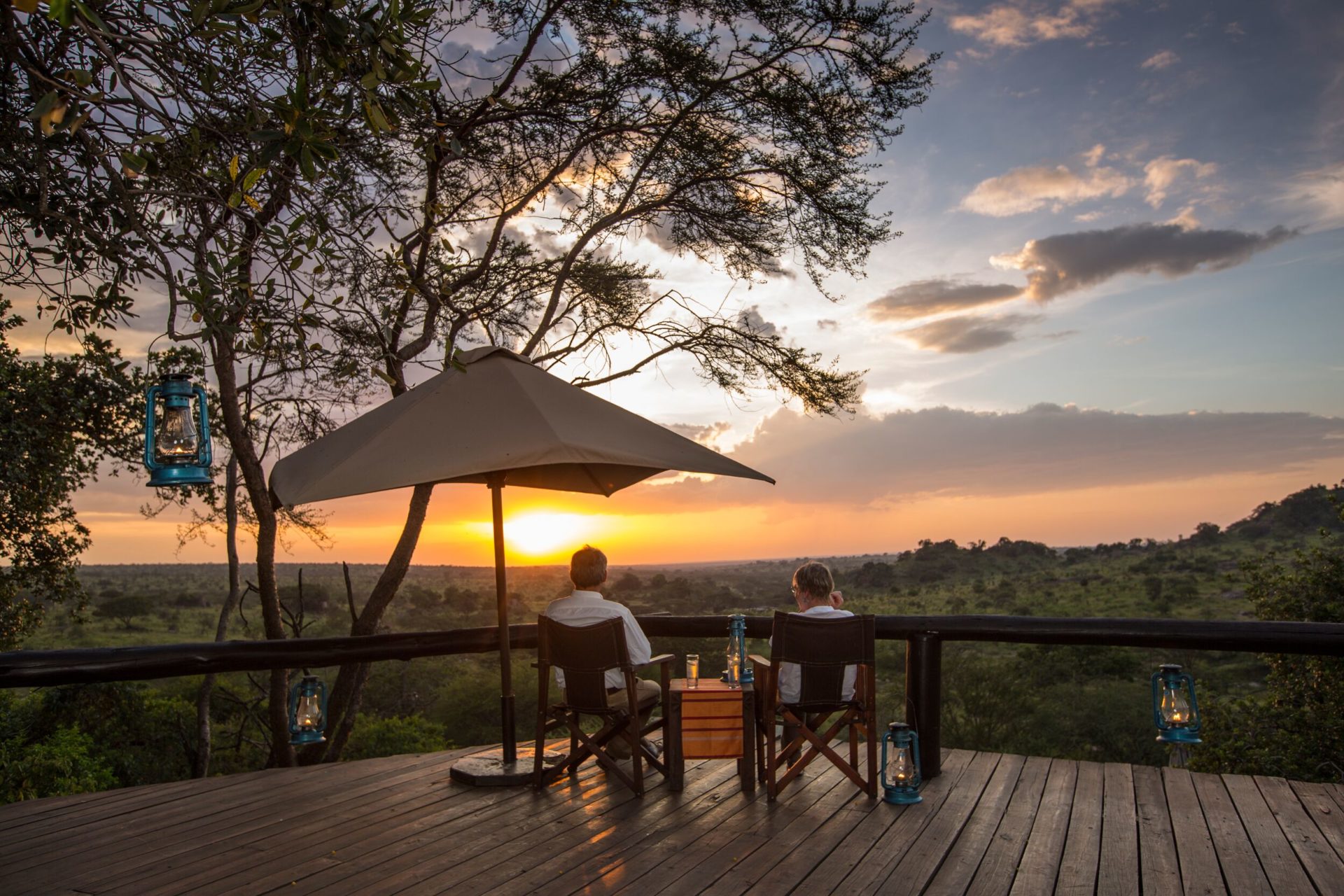
The Serengeti also delivers the classic safari atmosphere that many travelers imagine before arriving in Africa. Golden sunsets over acacia trees, open horizons, fire-lit evenings in tented camps, and uninterrupted night skies define the experience. This timeless aesthetic is one of the reasons the Serengeti remains deeply embedded in global travel imagery and storytelling.
International recognition further reinforces its appeal. The Serengeti is a UNESCO World Heritage Site and is consistently ranked among the world’s top national parks. This global prestige provides confidence to travelers, particularly those investing in long-haul or high-end safaris, and positions the Serengeti as a benchmark against which other safari destinations are measured.

Accommodation diversity is another competitive advantage. The Serengeti supports luxury lodges, high-end tented camps, mid-range safari camps, mobile migration camps, and budget camping options. This range allows the same ecosystem to cater to honeymooners, photographers, adventure travelers, and first-time safari guests without compromising wildlife quality. Very few safari destinations can support such varied travel styles within one protected area.
Geographically, the Serengeti sits at the core of Tanzania’s Northern Safari Circuit. Its location allows seamless combination with Ngorongoro Crater, Tarangire National Park, and Lake Manyara National Park. Travelers can experience open plains, high-density crater wildlife, elephant-rich baobab landscapes, and forested parks with minimal transit time. This circuit integration is a major logistical and experiential advantage.
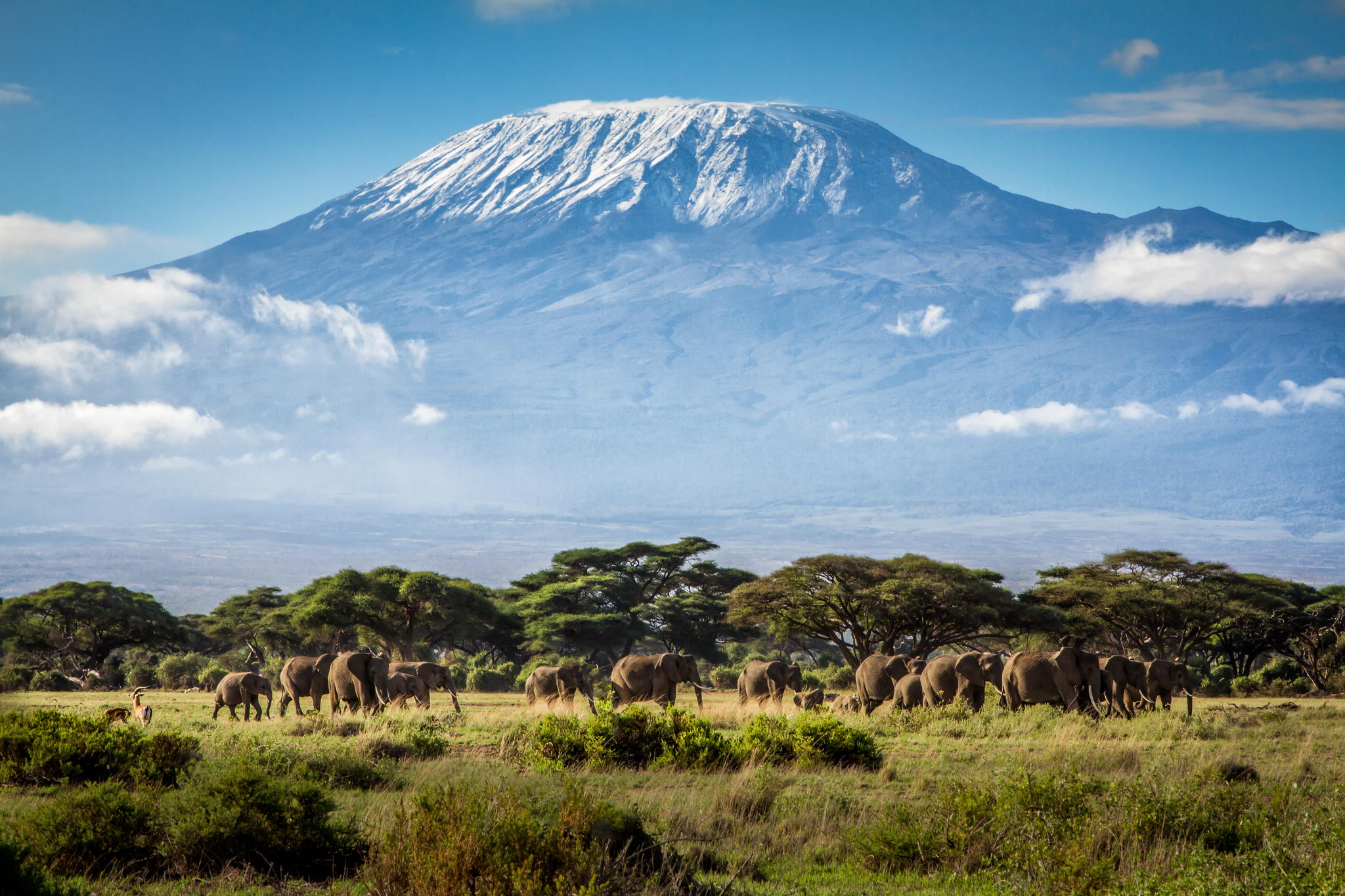
From a photographic perspective, the Serengeti is one of Africa’s most forgiving landscapes. Open plains create clean sightlines, while dramatic skies, dust, and light enhance wildlife scenes. The environment supports both amateur and professional photographers, offering consistent opportunities for iconic imagery.
What ultimately sets the Serengeti apart is its sense of authenticity. There are no fences, wildlife moves freely, and the ecosystem operates on its own terms. It does not feel staged or controlled. It feels raw, expansive, and alive.
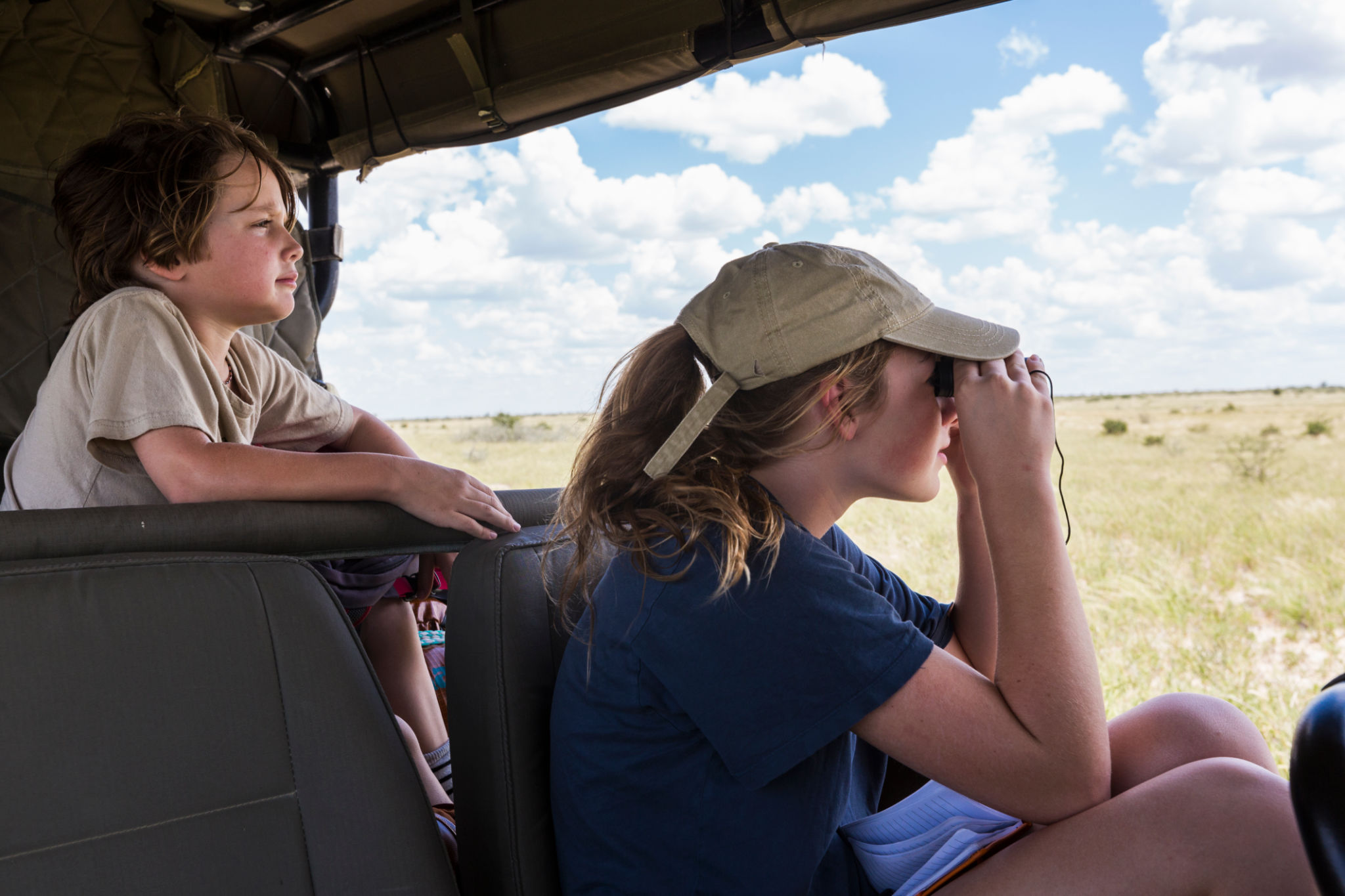
Ready to experience the Serengeti the right way?
Let Forever Nature Safaris design your journey through Tanzania’s most iconic landscapes with expert guides, handpicked camps, and seamless logistics from arrival to departure.