When travelers compare a Tanzania vs Kenya safari, both countries offer exceptional wildlife. However, travelers who want vast landscapes, fewer crowds, deeper safari immersion, and better long-term value consistently find that Tanzania is better than Kenya for safari.
At Forever Nature Safaris, we design safaris across Tanzania’s most iconic ecosystems, and the difference is clear from the very first game drive. Below are the key reasons why Tanzania delivers a superior safari experience.
1. Tanzania Offers Larger Parks and a True Wilderness Safari
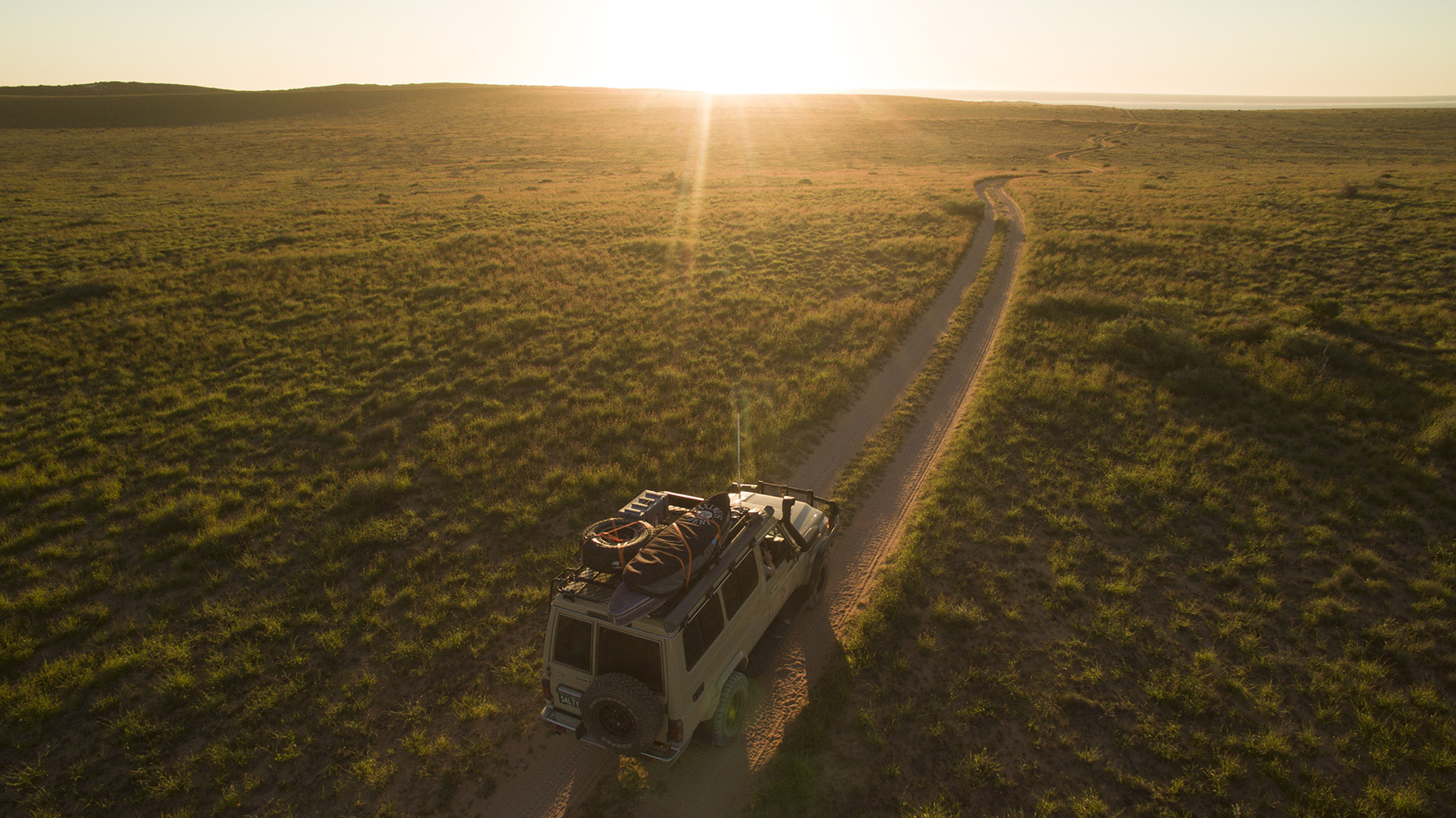
Tanzania is home to some of Africa’s largest and least fragmented protected areas, led by Serengeti National Park, which covers nearly 15,000 square kilometers. This immense size allows wildlife to move freely across open plains, woodlands, and river systems with minimal human interference. In contrast, Kenya’s Masai Mara National Reserve is significantly smaller, covering just over 1,500 square kilometers.
The difference in scale has a direct impact on the safari experience. In Tanzania, animals are widely dispersed across vast habitats, which reduces vehicle congestion and preserves natural behavior. Predators hunt without being surrounded by cars, herds migrate without artificial boundaries, and game drives feel like true exploration rather than a race to the next sighting.
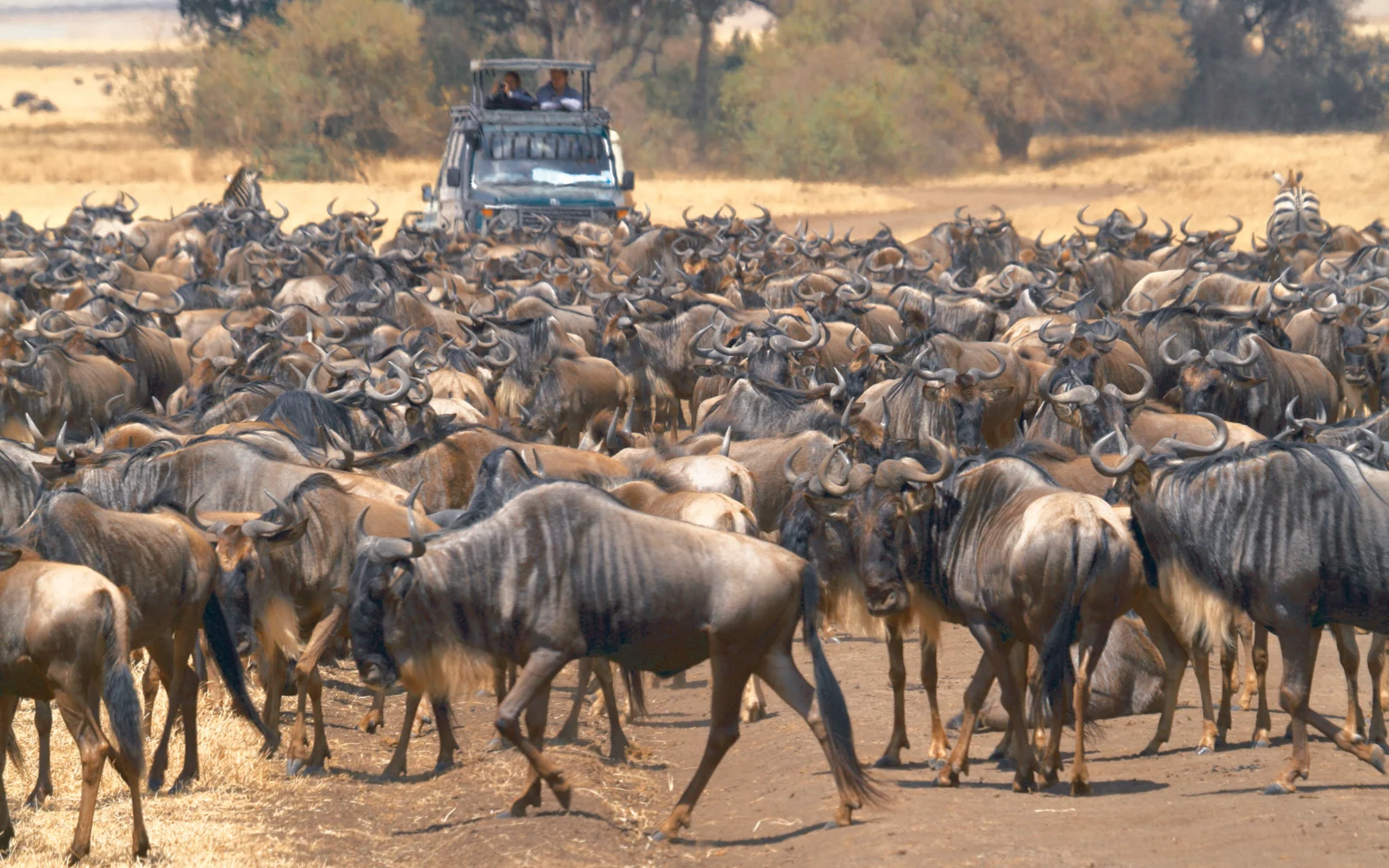
In Kenya, the smaller size of key reserves means wildlife sightings are more concentrated—and so are vehicles. During peak seasons, especially around predator activity or river crossings, it is common to see many safari vehicles gathered in one location. While sightings can be dramatic, the experience can feel crowded and rushed.
Tanzania’s larger parks also allow for longer, more varied game drives. Travelers can explore different ecosystems within the same park, from open savannas to riverine forests, without retracing the same routes repeatedly. This variety enhances both wildlife viewing and photography while maintaining a strong sense of solitude and scale.
For travelers seeking a safari that feels wild, spacious, and unfiltered, Tanzania’s park size and low-density approach create a level of immersion that is difficult to replicate in smaller, more heavily visited reserves.
2. The Great Migration Is Primarily a Tanzania Safari Experience
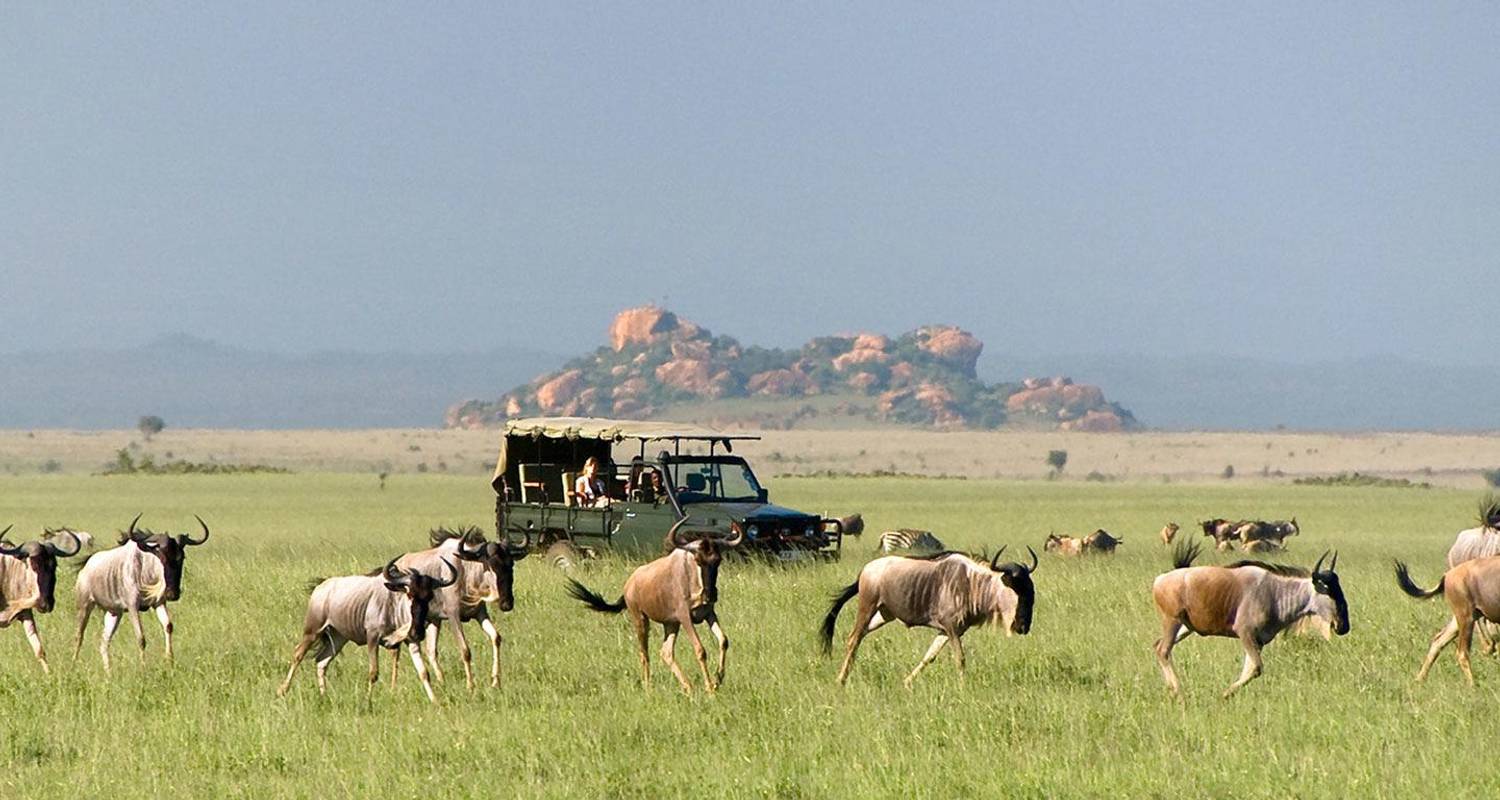
Although Kenya is often strongly associated with the Great Migration, the reality is that the majority of this natural phenomenon unfolds in Tanzania. Over 70 percent of the migration cycle takes place within the Serengeti National Park and the wider Serengeti ecosystem, where more than two million wildebeest, zebras, and gazelles move continuously in search of fresh grazing.
One of the most critical phases of the migration—the calving season—occurs exclusively in southern Serengeti between January and March. During this period, hundreds of thousands of calves are born within a few weeks, attracting an intense concentration of predators such as lions, cheetahs, and hyenas. This creates some of the most dramatic and wildlife-rich safari experiences anywhere in Africa, a phase that does not occur in Kenya at all.
From April to June, the herds spread across central and western Serengeti, following nutrient-rich grasses and forming massive columns across the plains. This long grazing phase offers exceptional game viewing, fewer crowds, and excellent photography opportunities. While river crossings in Tanzania’s Grumeti River can occur during this time, the experience remains more dispersed and less congested than in Kenya.
Kenya’s Masai Mara National Reserve primarily hosts the migration during the famous Mara River crossings, typically between July and September. While these crossings are visually dramatic, they occur over a short seasonal window and attract large numbers of safari vehicles, often resulting in crowded viewing conditions. Outside of this period, migration-related activity in Kenya is limited.
Tanzania, by contrast, offers migration-focused safaris throughout the year. Whether it is calving in the south, grazing in the central plains, river crossings in the west, or the gradual return southward at the end of the year, travelers can plan a Serengeti safari around the migration in almost any month. This year-round relevance makes Tanzania a more flexible and reliable destination for travelers planning well in advance.
For safari guests seeking depth, continuity, and a fuller understanding of the Great Migration as an ecosystem rather than a single event, Tanzania provides a far more complete and immersive migration experience than Kenya.
3. Fewer Safari Vehicles and Less Crowding
One of the most noticeable differences when comparing a Tanzania vs Kenya safari is how wildlife sightings are managed. Tanzania’s national parks are regulated under stricter vehicle-control policies, particularly inside major parks such as Serengeti National Park and the Ngorongoro Conservation Area. These regulations limit the number of vehicles allowed at sightings and across park zones, helping preserve both wildlife behavior and the quality of the safari experience.
In Kenya, especially within the Masai Mara National Reserve, wildlife sightings are often concentrated in smaller areas. During peak seasons, it is common to see many safari vehicles surrounding a single predator or river crossing. While sightings can be impressive, the atmosphere can feel busy and rushed, with engines running, radios active, and limited space for observation or photography.
Tanzania’s larger park size combined with controlled access spreads vehicles over a much wider area. This means predators can be observed hunting, resting, or interacting naturally without constant disturbance. Guests often spend longer at sightings without pressure from other vehicles, allowing for deeper behavioral observation rather than quick photo stops.
Less crowding also improves safety and comfort during game drives. Guides have greater freedom to position vehicles thoughtfully, photographers benefit from cleaner angles without other cars in frame, and travelers enjoy a quieter, more immersive connection to the environment. The overall pace of a Tanzania safari feels calmer and more intentional.
For travelers who value quality over quantity and prefer a safari experience that prioritizes wildlife welfare and guest immersion, Tanzania’s approach to crowd management offers a clear advantage over Kenya’s more heavily trafficked reserves.
4. Ngorongoro Crater Is a Safari Experience Kenya Cannot Match
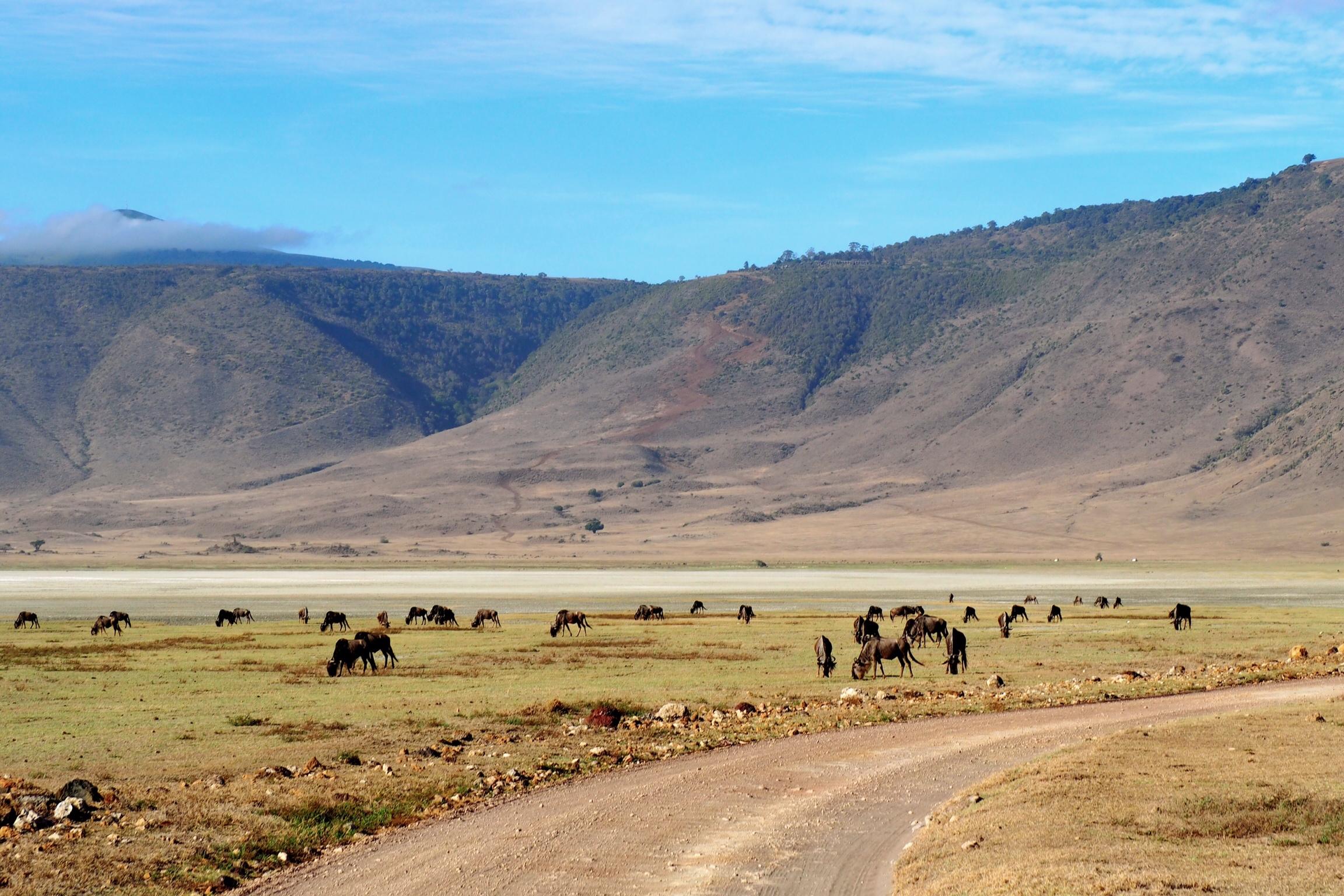
The Ngorongoro Crater is one of the most unique and visually striking safari destinations in the world. Formed by a collapsed volcano, the crater spans over 260 square kilometers and creates a natural enclosure that supports an extraordinary concentration of wildlife year-round. Within a single game drive, visitors can encounter lions, elephants, buffalo, hippos, flamingos, and the critically endangered black rhino, all set against dramatic crater walls rising above the plains.
What makes the Ngorongoro Crater especially remarkable is its ecological self-sufficiency. Permanent water sources and rich grazing land allow wildlife to remain inside the crater throughout the year, eliminating the need for seasonal migration. This results in consistently high wildlife density and exceptionally reliable game viewing, making it ideal for first-time safari travelers, families, and those with limited time.
Kenya does not have an equivalent ecosystem that combines geological scale, scenic beauty, and wildlife density in such a compact area. While Kenya offers excellent reserves and conservancies, none provide the same natural amphitheater effect where wildlife can be viewed so comprehensively in one location. Safari experiences in Kenya typically require covering larger distances across multiple areas to achieve similar species diversity.
In addition to its wildlife value, Ngorongoro is also a UNESCO World Heritage Site, recognized for both its natural and cultural significance. The combination of prehistoric landscapes, abundant wildlife, and panoramic viewpoints creates an experience that feels both ancient and alive.
For travelers comparing a Tanzania vs Kenya safari, the Ngorongoro Crater stands out as a defining feature that elevates Tanzania’s safari offering beyond what Kenya can replicate.
5. Tanzania’s Safari Circuits Are Better Designed
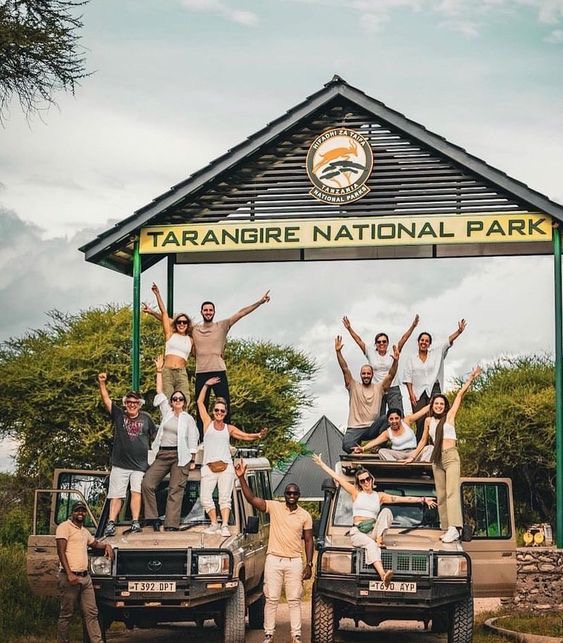
Tanzania’s safari planning is centered around well-structured circuits, with the Northern Safari Circuit being the most established and efficient in East Africa. This circuit allows travelers to seamlessly combine Serengeti National Park, Ngorongoro Crater, Tarangire National Park, and Lake Manyara National Park within a single, well-paced itinerary.
The distances between these parks are logical and manageable, allowing travelers to maximize time on game drives rather than spending long hours in transit. Roads connecting the parks are well established, and itineraries naturally flow from one ecosystem to the next, offering changing landscapes and wildlife diversity without unnecessary backtracking.
In Kenya, safari areas are more dispersed, often requiring longer road journeys or internal flights to combine multiple parks. This can increase costs and reduce time spent actually viewing wildlife, particularly for travelers on shorter trips.
Tanzania’s circuit-based design makes it especially suitable for first-time safari travelers who want a comprehensive experience without logistical complexity. Families benefit from smoother travel days and predictable schedules, while photographers enjoy varied habitats and lighting conditions within a single journey.
By offering multiple world-class parks within one cohesive circuit, Tanzania provides a safari experience that feels balanced, efficient, and thoughtfully designed—an advantage that clearly sets it apart from Kenya’s more fragmented safari routes.
6. More Landscape Variety in One Safari
A Tanzania safari includes open plains, volcanic craters, baobab landscapes, soda lakes, forests, and highlands—all within one circuit. This diversity enhances wildlife viewing and photography while keeping each day visually different.
Kenya’s safari regions are beautiful but generally less varied within a single itinerary.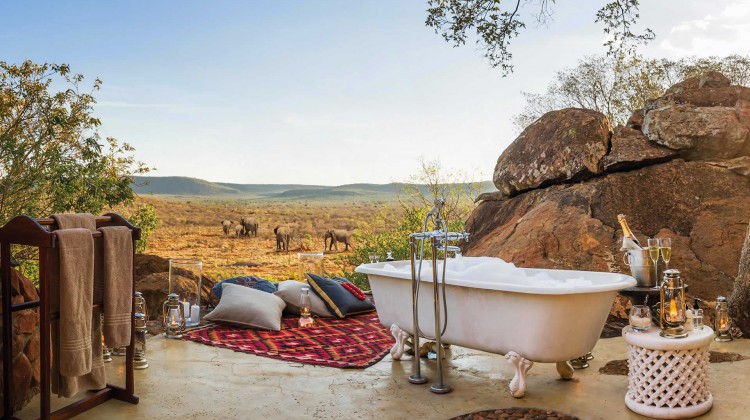
7. Better Conditions for Safari Photography
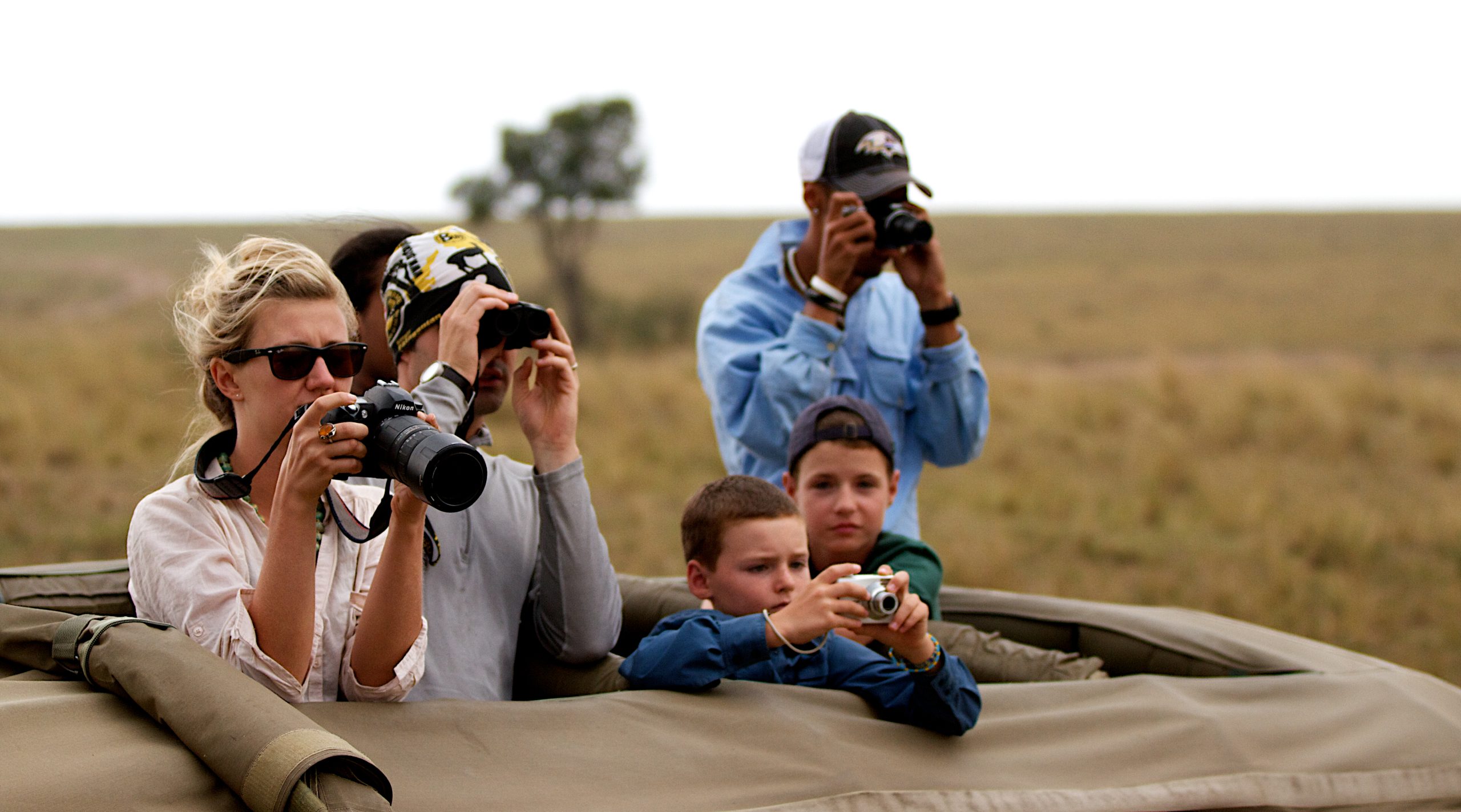
Tanzania’s open landscapes provide clean horizons, dramatic skies, and minimal vehicle congestion. This allows photographers to capture wildlife in natural settings without distractions.
The Serengeti, in particular, is regarded as one of Africa’s most photographer-friendly safari destinations.
9. Strong Conservation and Park Management
A defining strength of safari in Tanzania is its strong conservation framework and professional park management, led by the Tanzania National Parks Authority (TANAPA). This government body is responsible for protecting national parks, regulating tourism, and ensuring that wildlife ecosystems remain intact for future generations.
TANAPA enforces strict conservation policies designed to balance tourism with long-term ecological sustainability. These include regulated vehicle access, designated road networks, restrictions on off-road driving, and controlled lodge and camp development. By limiting environmental disturbance, these measures help preserve natural animal behavior and prevent ecosystem degradation.
One of the most important outcomes of this management is the protection of large, continuous ecosystems. Parks such as Serengeti National Park remain ecologically intact, allowing natural processes like predator–prey relationships and large-scale wildlife migrations to continue without disruption. This creates a more authentic and scientifically important safari environment compared to heavily fragmented reserves elsewhere.
Strict oversight also reduces overcrowding in sensitive wildlife areas. While visitors can still access key wildlife regions, the scale of Tanzania’s protected land and regulated tourism infrastructure ensures that safari vehicles are spread across vast landscapes rather than concentrated in small zones. This improves both conservation outcomes and the visitor experience.
In addition, tourism revenue generated through park fees directly supports conservation operations, including ranger patrols, anti-poaching efforts, infrastructure maintenance, and habitat protection. These efforts contribute to stable or growing populations of iconic species such as elephants, lions, giraffes, and rhinos.
For travelers, this level of conservation management translates into healthier ecosystems, more natural wildlife encounters, and a more exclusive safari experience. Rather than visiting overcrowded parks with stressed wildlife, visitors in Tanzania experience vast, well-protected wilderness areas where conservation and tourism work together sustainably.
10. Safari and Beach Combination
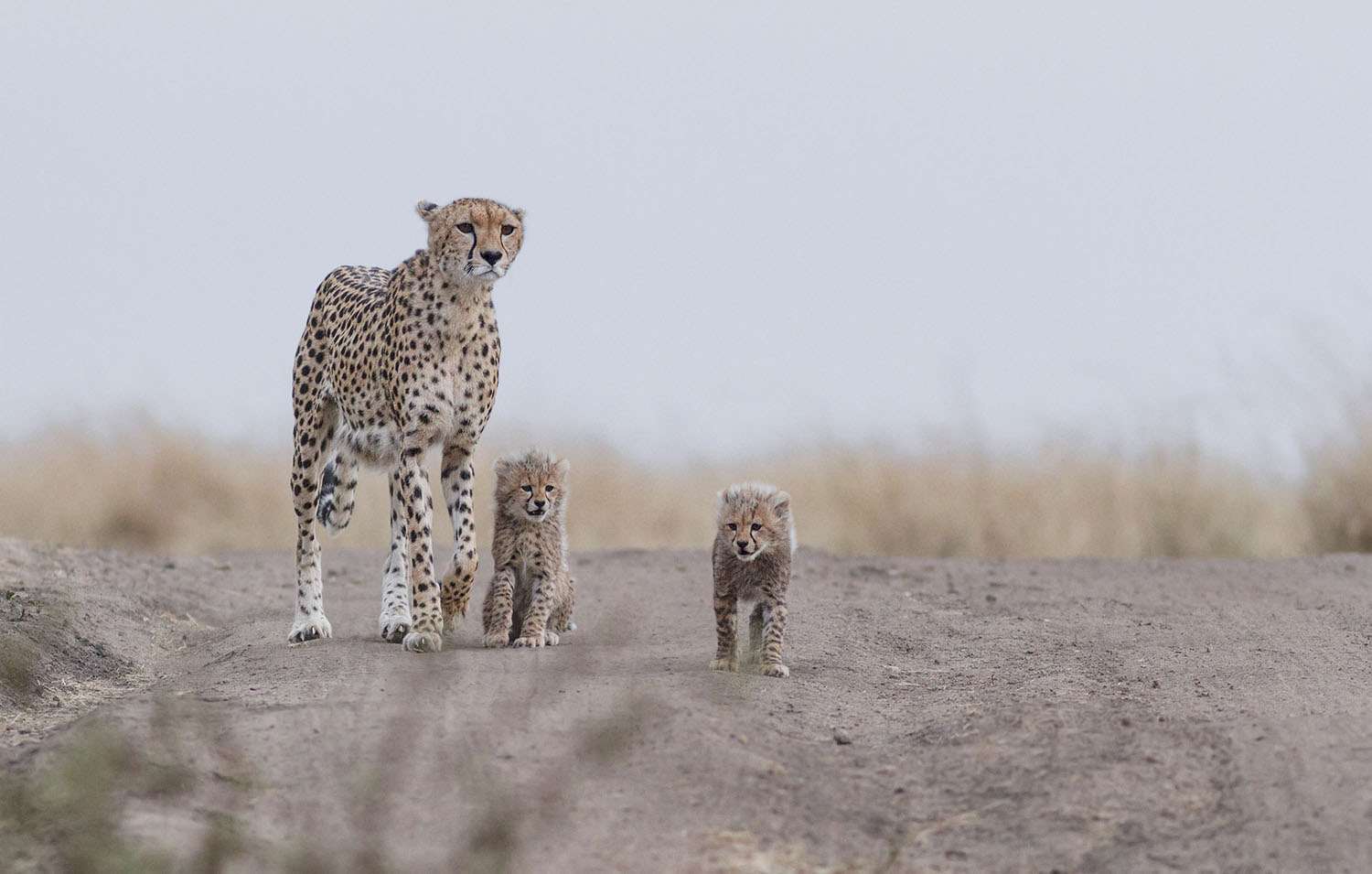
One of the most unique advantages of visiting Tanzania is the ability to combine a world-class wildlife safari with a tropical beach holiday in a single, seamless itinerary. Few destinations in the world offer such a dramatic contrast between untamed wilderness and pristine coastline within such a short travel distance.
After experiencing the wildlife-rich plains of parks like Serengeti National Park, travelers can fly directly to the white-sand beaches of the Zanzibar Archipelago in just a few hours. This convenience makes Tanzania ideal for combining adventure and relaxation without long international transfers.
Safari provides high-intensity experiences—tracking predators, witnessing elephant herds, and exploring vast landscapes such as the Ngorongoro Conservation Area and Tarangire National Park. In contrast, Zanzibar offers a completely different atmosphere, where travelers can unwind on quiet beaches, swim in warm turquoise waters of the Indian Ocean, and enjoy a slower pace of life.
Zanzibar also adds cultural depth to the journey. Historic Stone Town, a UNESCO World Heritage Site, reflects centuries of African, Arab, and European influence. Visitors can explore narrow streets, visit spice farms, enjoy fresh seafood, and experience the island’s rich heritage.
This combination of safari and beach creates a perfectly balanced travel experience:
-
Adventure and wildlife in globally renowned national parks
-
Relaxation and recovery on tropical white-sand beaches
-
Scenic contrast between savannah plains and ocean coastline
-
Convenient logistics with short domestic flights connecting both regions
For many travelers, ending a safari with several days on Zanzibar’s beaches provides the ideal conclusion—allowing time to relax, reflect, and fully absorb the experience.
This rare combination of exceptional wildlife and tropical coastline is one of Tanzania’s strongest advantages and a key reason it is considered one of the most complete and rewarding travel destinations in Africa.
Final Verdict: Tanzania vs Kenya Safari
When evaluating a Tanzania vs Kenya safari, Tanzania clearly offers the more complete experience. With iconic destinations like Serengeti National Park, the unmatched Ngorongoro Crater, fewer crowds than Masai Mara National Reserve, and seamless extensions to Zanzibar, Tanzania delivers greater immersion, better value, and a truly wild safari.
For travelers seeking the most authentic African safari, Tanzania is the clear choice.