Best Serengeti Safari Guide 2026: Why This Guide Is Different
Best Serengeti safari guide 2026 starts here. The Serengeti is one of those places that travellers spend years planning to visit and still leave feeling like they only scratched the surface. Over 14,700 square kilometres of open savanna, riverine forest, granite kopjes, and sweeping golden plains, it delivers one of the oldest and most uninterrupted wildlife spectacles on Earth.
This guide is different from most Serengeti content you’ll find online. It goes deeper: into every zone of the park, every season, the specific wildlife behaviour patterns that define each area, the real costs, the logistics, and the mistakes that waste time and money. Whether you’re planning your first Tanzania safari or returning for a second look at the Serengeti with fresh eyes, this is the guide you need.
Understanding the Serengeti: Geography and Zones
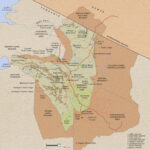
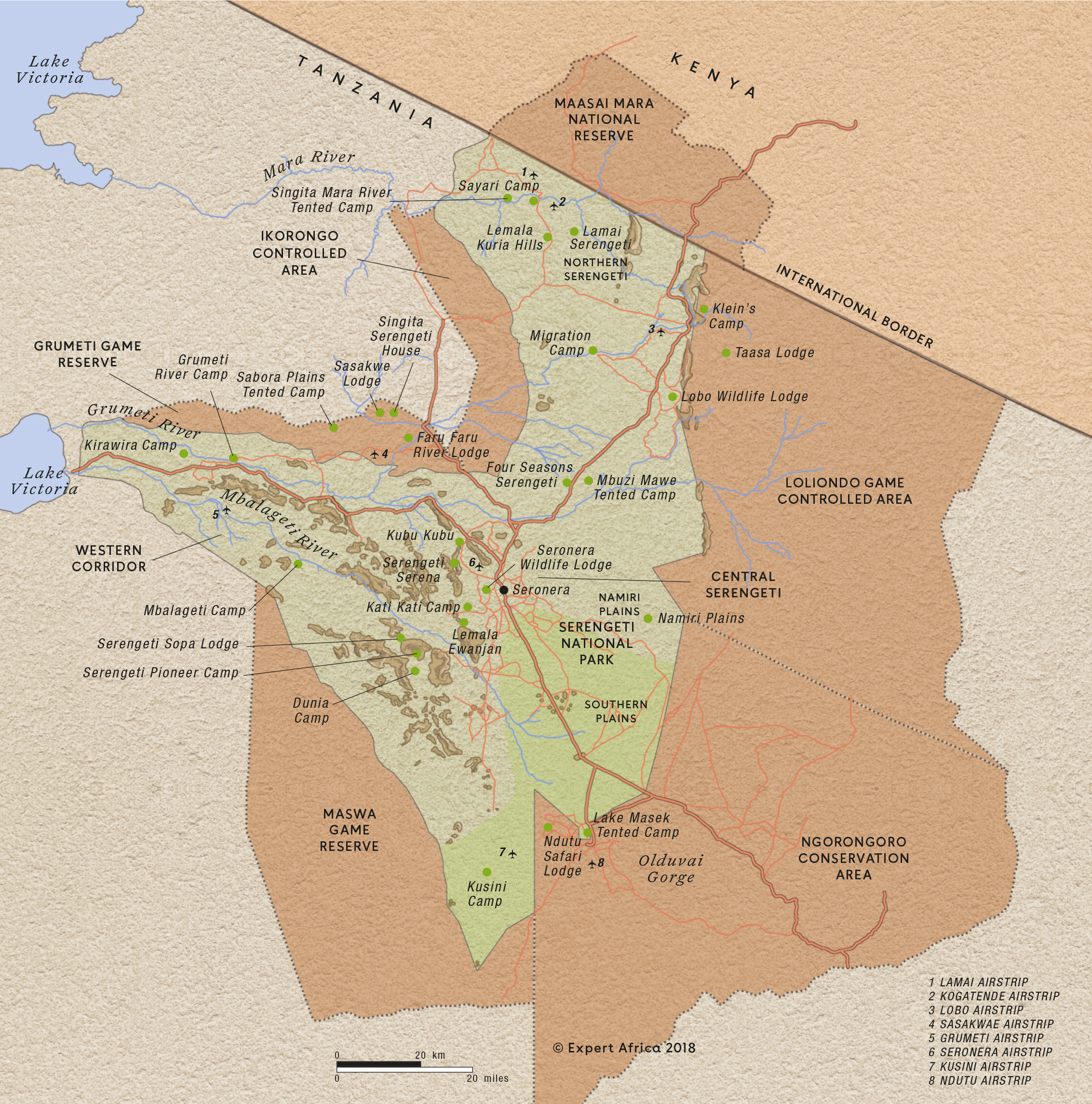
The Serengeti National Park sits in north-western Tanzania, flanked by the Ngorongoro Conservation Area to the southeast, Kenya’s Maasai Mara to the north, and Lake Victoria to the west. At 14,763 square kilometres, it is Tanzania’s largest national park and one of the most expansive protected wildlife areas in Africa.
But the greater Serengeti-Mara ecosystem including adjacent conservation areas and Kenya’s Mara covers over 30,000 square kilometres. Understanding this scale is essential: the Great Migration moves through this entire landscape, and different parts of the ecosystem offer radically different experiences depending on the time of year.
For planning purposes, the Serengeti divides into five distinct zones. Each has its own character, wildlife strengths, best season, and accommodation profile.
| Zone | Location | Character | Best Season |
| Central (Seronera) | Geographic heart of the park | Year-round wildlife hub, permanent rivers, dense camps | Year-round |
| Northern (Kogatende) | Near Kenya border | Migration corridor, Mara River crossings, remote | July – October |
| Southern (Ndutu Plains) | Near Ngorongoro border | Short-grass calving plains, predator density | December – March |
| Western Corridor (Grumeti) | Extends toward Lake Victoria | Grumeti River crossings, remote, exclusive | May – July |
| Eastern Serengeti (Loliondo) | Outside park, community land | Off-road driving permitted, walking safaris | Year-round |
ZONE 1 OF 5: CENTRAL SERENGETI
Central Serengeti (Seronera Valley): The Reliable Heart
If you visit only one zone of the Serengeti, make it the central Serengeti. The Seronera Valley is the park’s year-round wildlife engine driven by the Seronera River, a permanent water source that draws wildlife continuously regardless of season.
The central zone sits at an ecological crossroads. Open grass plains extend to the south and west. Kopjes ancient granite outcrops rising dramatically from the plains dot the landscape and serve as lion and leopard vantage points. Riverine forest and fig trees line the Seronera River and its tributaries, creating ideal leopard habitat and permanent water for hippos and crocodiles.
Wildlife: What Central Serengeti Does Best
Lions — Among Africa’s Best
The Seronera Valley has one of the highest lion densities in Africa outside of the Ngorongoro Crater. Multiple resident prides are studied and monitored continuously. Guides know individual lions by name, scar patterns, and ear notches. Encounters are close, extended, and often involve hunting behaviour the short grass of the dry season makes hunts visible from considerable distance.
Leopards — Exceptional and Consistent
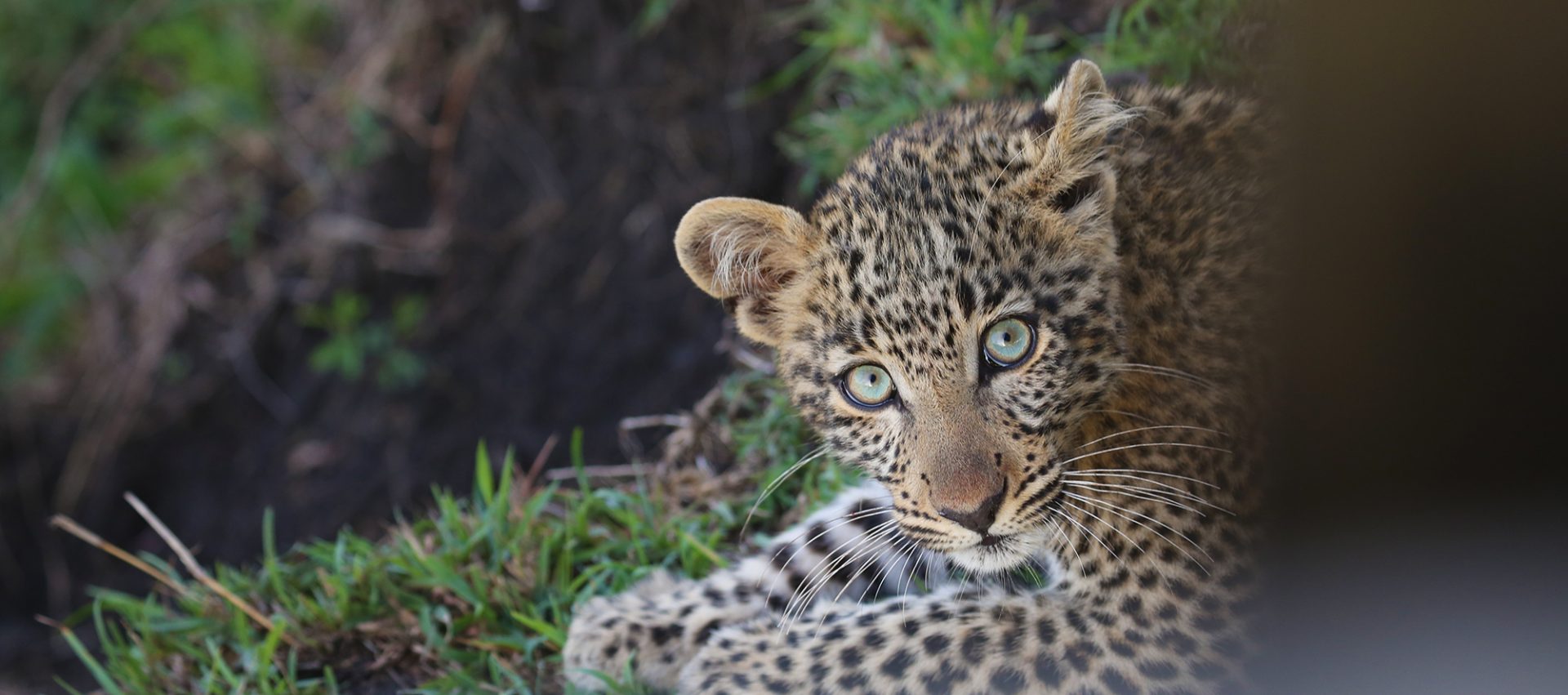
The riverine fig trees along the Seronera River are some of Africa’s most reliable leopard habitat. Leopards use these trees to stash kills out of hyena reach and to rest during the heat of the day. Seronera’s leopard population is well-habituated and regularly sighted arguably the most reliable leopard viewing in Tanzania.
Cheetahs — Open Plains Specialists
The open grass plains east and south of Seronera are prime cheetah territory. Cheetahs hunt by day unlike most large predators making their hunts visible and photographable. The Serengeti’s cheetah population is one of the most studied in the world, and the open terrain of the central zone is ideal for watching them work.
Hippos and Crocodiles
The Seronera River pools support large hippo pods year-round. Nile crocodiles are abundant, basking on the banks and ambushing prey at water crossings. These pools are excellent midday stops when other wildlife is resting.
The Migration Passes Through
The Great Migration passes through the central Serengeti in June–July on its way north, and again in November–December on its return south. During these periods, the central zone experiences enormous herds of wildebeest and zebra moving across the plains one of the most cinematic natural events in Africa.
Accommodation in Central Serengeti
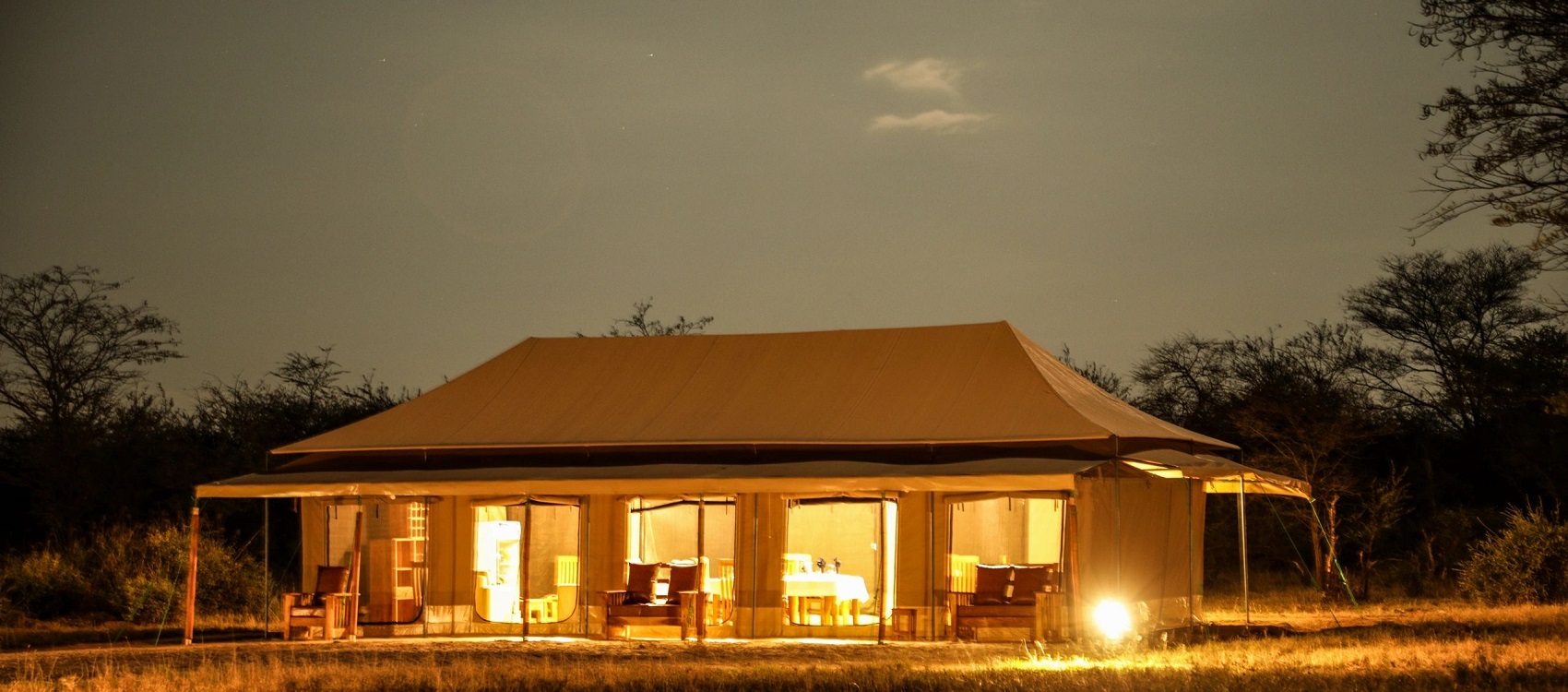
Central Serengeti has the most diverse accommodation range in the park the only zone where you can choose from public campsites, budget tented camps, solid mid-range lodges, and genuine luxury. This makes it the most accessible zone for safari travelers at every budget level.
| Camp / Lodge | Tier | Key Feature |
| Seronera Wildlife Lodge | Budget-Mid | Only affordable permanent lodge inside central park |
| Serengeti Serena Safari Lodge | Mid-Range | Hilltop position, good central location |
| Serengeti Pioneer Camp | Upper Mid | Classic tented camp atmosphere |
| Four Seasons Safari Lodge Serengeti | Luxury | Benchmark luxury, central park location |
| Singita Faru Faru Lodge | Ultra-Luxury | Grumeti Reserve — exclusive, exceptional guiding |
| Simba Campsite | Budget | Public campsite, basic facilities, low cost |
ZONE 2 OF 5: NORTHERN SERENGETI
Northern Serengeti (Kogatende/Lamai): The Migration Frontier
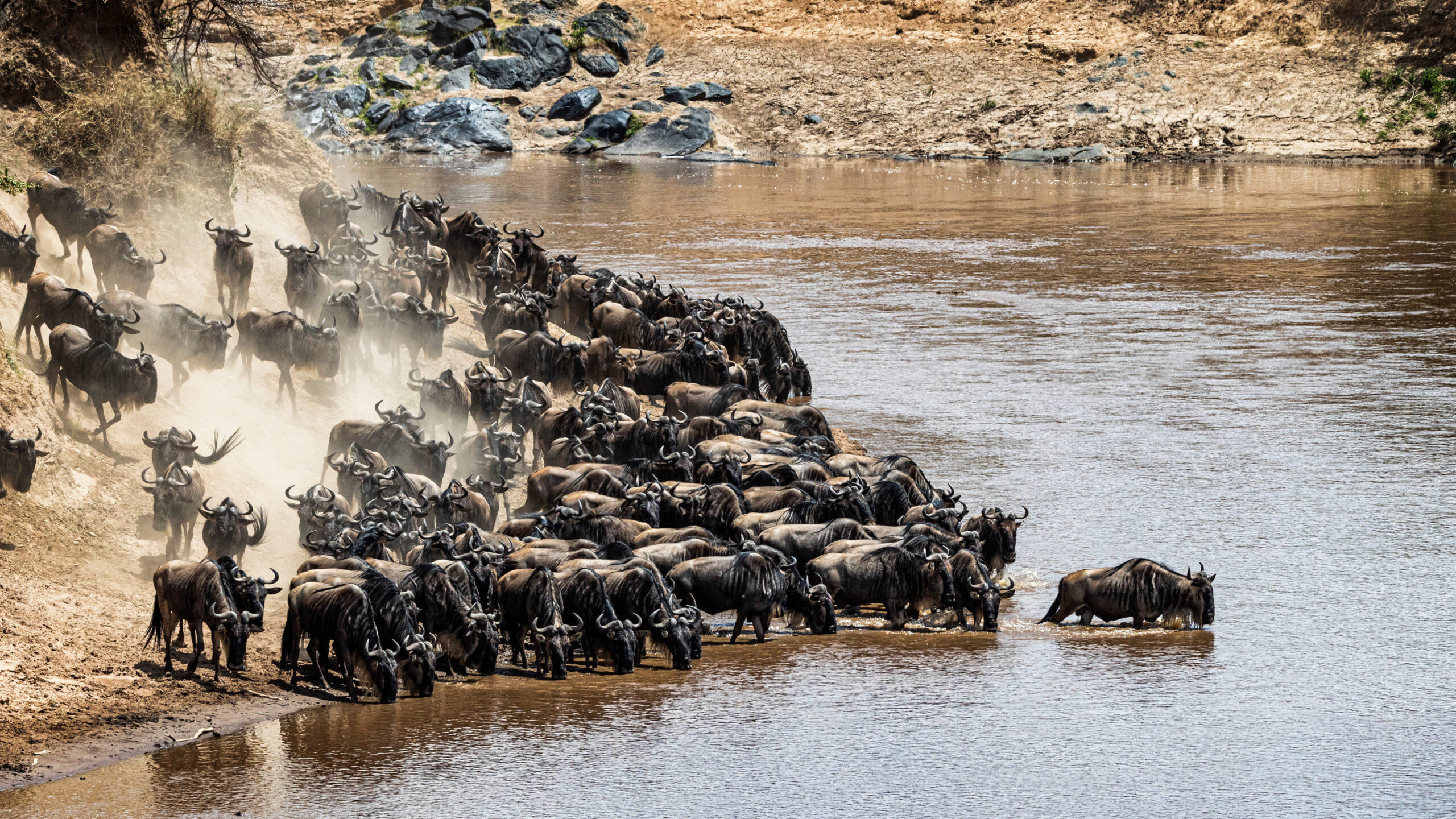
The northern Serengeti — roughly defined by the area around Kogatende and Lamai, extending to the Kenyan border is famous for one thing that no other part of the Serengeti delivers: the Mara River crossings. From late July through October, this single stretch of river becomes the stage for one of the most dramatic wildlife events on Earth.
Outside migration season, the northern zone is quiet, remote, and lacks the resident wildlife density of Seronera. But during peak season, it is incomparable.
The Great Migration River Crossings: What Actually Happens
Between July and October, the migration herds two million wildebeest, 250,000 zebra, and hundreds of thousands of Thomson’s gazelle — have moved north through the Serengeti and reached the Mara River. The river is the final barrier before the Maasai Mara in Kenya.
What makes the Mara River crossings extraordinary is the confluence of forces: hundreds or thousands of animals attempting to cross simultaneously, enormous Nile crocodiles lurking in the water, lions patrolling the far bank, and the chaos of a herd making a life-or-death collective decision.
Critical reality check: crossings are not scheduled events. The herds may wait at the river for hours or days before crossing. Sightings depend on tracking the daily movement of the herds, positioning vehicles at the right crossing points, and patience. The best operators use real-time scouts and radio communication between guides to maximise your chances.
INSIDER TIP: Plan a minimum of 3 nights in northern Serengeti during river crossing season. One-night visits frequently miss crossings entirely. Three nights gives you multiple opportunities and accounts for the unpredictable timing.
Wildlife Beyond the Migration
The Kogatende area has excellent resident wildlife even outside migration season:
- Cheetah: The open Lamai terrain is excellent cheetah country — some of the best in the Serengeti
- Elephant: Northern Serengeti elephant herds are large and frequent the area
- Giraffe: Abundant along the western edge of the northern zone
- Topi: Highly visible on the Lamai plateau
- Crocodiles: The Mara River has enormous Nile crocodiles year-round
Lions and leopards are present but harder to find in the north than in Seronera. The terrain is hillier and more broken, which distributes wildlife over a wider area.
Accommodation in Northern Serengeti
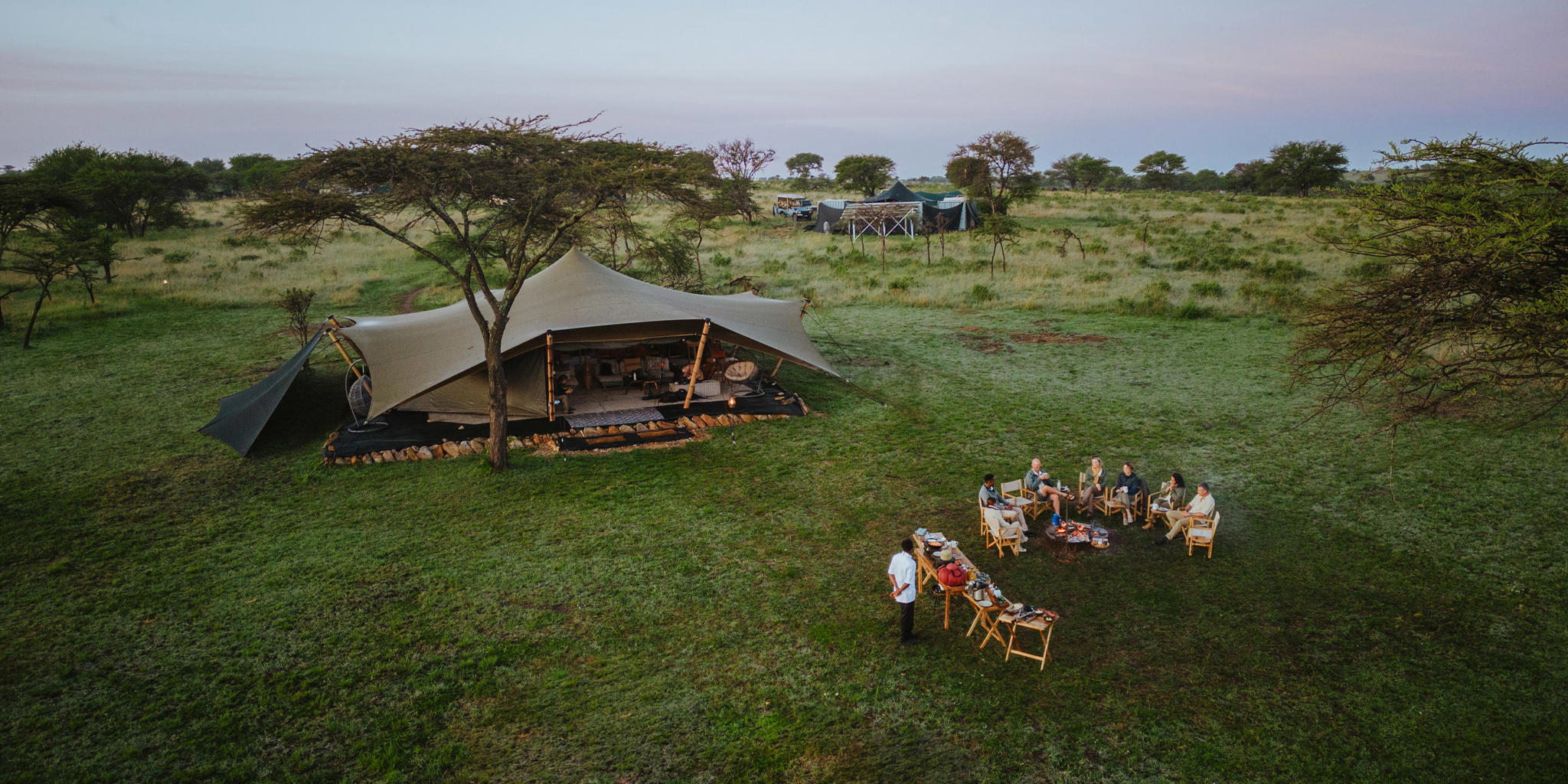
The northern zone has fewer options than central, dominated by seasonal camps that follow the migration and a small number of permanent luxury lodges. This exclusivity drives prices up but also means fewer overall vehicles in the area.
| Camp | Tier | Notes |
| &Beyond Serengeti Under Canvas (Kogatende) | Luxury | Follows migration, near Mara River crossing points |
| Asilia Lamai Serengeti | Luxury | Lamai Wedge — elevated position, excellent views |
| Ubuntu Migration Camp | Luxury | Seasonal, near migration routes |
| Sayari Camp (Asilia) | Luxury | Furthest north, near Mara River, private feel |
| Lemala Kuria Hills | Upper Mid | Excellent value for northern zone |
Book northern Serengeti camps 9–12 months in advance for July–October. The best positions at the Mara River sell out entirely. This is not a guidebook cliché is the operational reality.
ZONE 3 OF 5: SOUTHERN SERENGETI
Southern Serengeti (Ndutu Plains): The Calving Grounds
The southern Serengeti the Ndutu area and the short-grass plains extending south toward the Ngorongoro Conservation Area is one of the most underrated safari destinations in East Africa. Most travelers focus on the northern river crossings, missing what happens in the south from December through March: the wildebeest calving season.
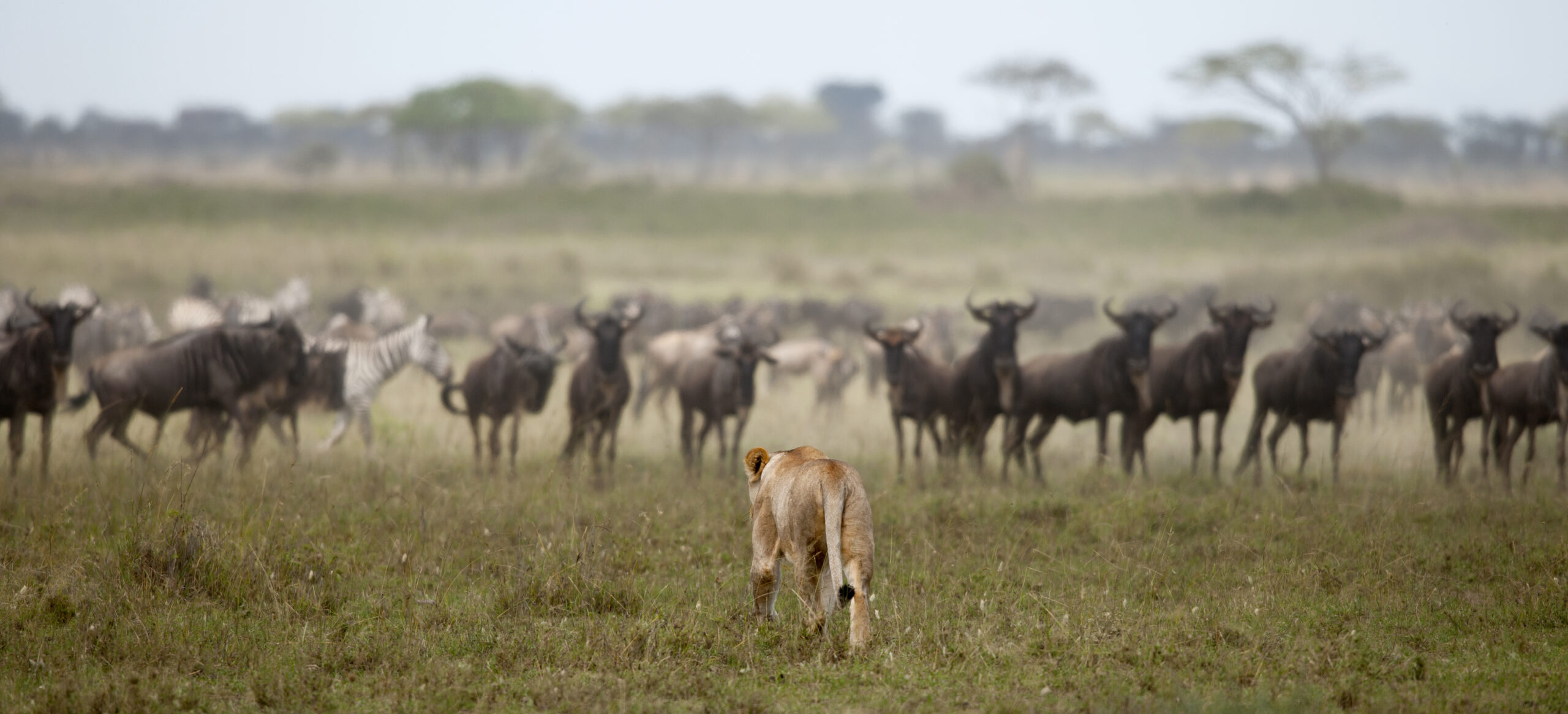
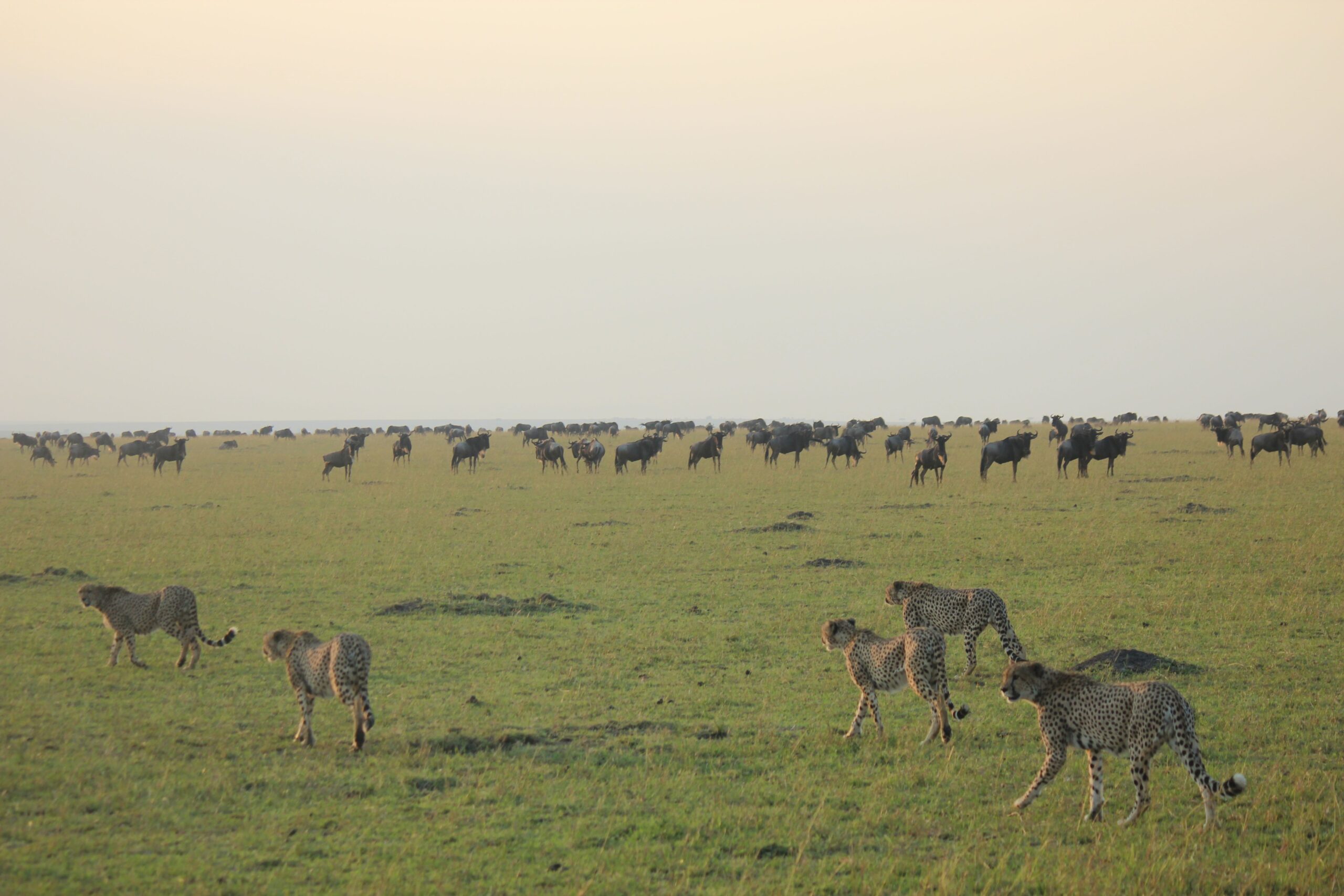
Approximately 500,000 wildebeest calves are born over a period of 2–3 weeks in January–February on these plains. The sheer scale of new life and the corresponding explosion in predator activity is extraordinary.
The Calving Season: Why It Rivals the River Crossings
Calving season is the Great Migration’s most misunderstood chapter. While the Mara River crossings get more attention and admittedly more drama the calving season offers something arguably more moving: the continuous cycle of birth, predation, and survival playing out across the plains.
- 500,000 calves born in 2–3 weeks the highest concentration of new life in the mammal world
- Predator density peaks: lions, cheetahs, hyenas, wild dogs all drawn to the calving grounds
- The short grass of the Ndutu plains makes predator hunts visible from great distances
- Cheetah viewing in southern Serengeti during calving season is among the best in Africa
- Dramatic hunting sequences involving multiple predator species often occur within the same morning
BEST-KEPT SECRET: January–February in southern Serengeti is one of the most spectacular wildlife windows in Africa, consistently outperforming the river crossings for predator-prey interaction with 30–40% fewer vehicles than peak northern season.
Wildlife in Southern Serengeti
Cheetahs
Southern Serengeti, particularly around Ndutu and the Gol Kopjes, has one of Africa’s highest cheetah densities during calving season. The combination of abundant prey (newborn wildebeest calves) and flat open terrain creates exceptional conditions for watching cheetahs hunt. Multiple hunts per morning is not unusual.
Wild Dogs
African wild dogs one of Africa’s most endangered and least frequently seen predators are present in southern Serengeti in small pack numbers. They’re not reliably sighted but the area has active packs that guides track during denning season.
Hyenas
The spotted hyena clans of southern Serengeti are hyperactive during calving season. Calves represent easy prey, and hyena clan territories in Ndutu are among the most studied in the world (the Ndutu hyena population has been continuously researched since the 1970s).
Kopje Wildlife
The granite kopjes of the southern Serengeti particularly the Gol Kopjes and Naabi Hill are excellent for rock hyrax, agama lizards, and the lions and leopards that use them as elevated hunting platforms. Kopje game drives are a distinct and rewarding experience separate from the open plains.
Accommodation in Southern Serengeti
| Camp / Lodge | Tier | Notes |
| Ndutu Safari Lodge | Mid-Range | Classic Ndutu lodge, long history, central location |
| &Beyond Ndutu Under Canvas | Luxury | Seasonal camp in heart of calving grounds |
| Lemala Ndutu | Luxury | Excellent position, superb calving season access |
| Serengeti Ndutu Safari Lodge | Mid-Range | Affordable, good location for calving season |
| Pumzika Private Game Reserve | Budget-Mid | Value option near Ndutu |
ZONE 4 OF 5: WESTERN CORRIDOR
Western Corridor (Grumeti): The Exclusive Middle Chapter
The Western Corridor extends westward from the central Serengeti toward Lake Victoria a long, narrow arm of the park following the Grumeti River. It’s the most remote section of the standard Serengeti, receives far fewer visitors than central or northern, and rewards those who make the effort with exceptional wildlife and a genuine sense of wilderness.
The Grumeti River is to the Western Corridor what the Mara River is to the north a crossing point and ambush zone for the migration herds as they move northwest between May and July.
The Grumeti River Crossings
The Grumeti crossings happen earlier in the migration cycle than the Mara River crossings typically May through early July. They’re less famous than the Mara crossings but offer comparable drama, often with fewer vehicles.
The Grumeti River has a unique feature: enormous, ancient Nile crocodiles that have grown to extraordinary size in the isolation of this western region. These are among the largest crocodiles in the Serengeti ecosystem a compelling argument for the western corridor on its own.
Wildlife in the Western Corridor
- Topi: Western Corridor has one of the Serengeti’s largest topi populations
- Hippos: Grumeti River pools have large, easily viewable hippo pods
- Enormous crocodiles: The Grumeti’s crocs are notably large even by Serengeti standards
- Roan antelope: Rare and localised, but present in the western corridor
- Patas monkey: Western species, not found in other Serengeti zones
- Lions and elephants: Excellent year-round alongside the river system
The Grumeti Reserve: Private and Exclusive
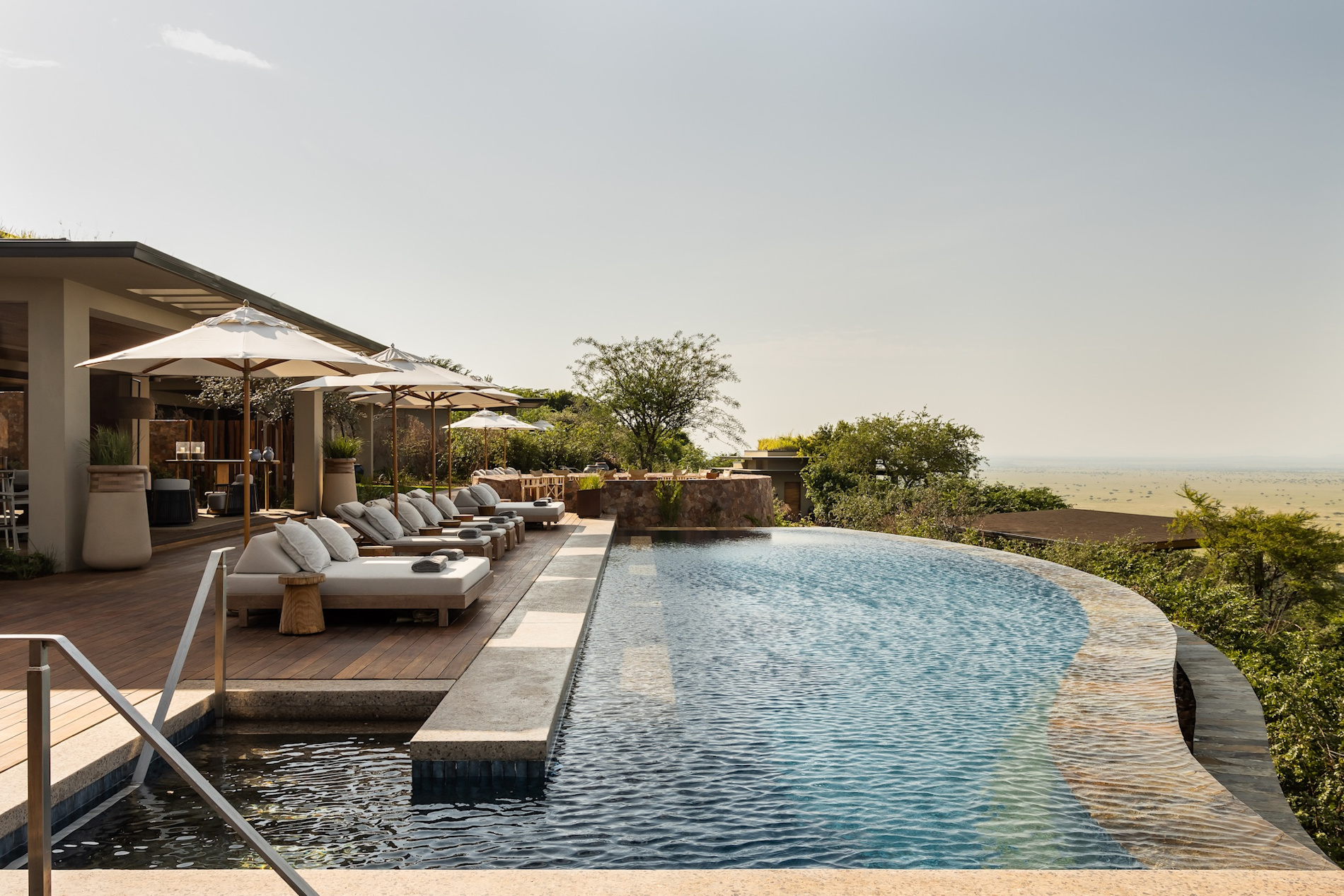
Much of the Western Corridor’s premium safari experience is anchored by the Singita Grumeti Reserve a 350,000-acre private concession adjacent to the national park. Here, off-road driving is permitted, vehicle numbers are severely restricted, and the guiding standard is among the highest in Africa.
The Singita camps (Sabora, Sasakwa, Faru Faru) command some of the highest rates in East Africa $2,000–$3,000+ per person per night but deliver an experience that genuinely cannot be replicated in the national park’s more regulated environment.
| Camp | Tier | Notes |
| Singita Sabora Tented Camp | Ultra-Luxury | 1920s safari aesthetic, private reserve, off-road |
| Singita Sasakwa Lodge | Ultra-Luxury | Edwardian manor house on the Grumeti estate |
| Singita Faru Faru Lodge | Ultra-Luxury | River-facing position, exceptional predator viewing |
| Kirawira Serena Camp | Luxury | National park, Edwardian-themed, river views |
| Serengeti Mara Camp | Mid-Range | More affordable western corridor option |
ZONE 5 OF 5: EASTERN SERENGETI / LOLIONDO
Eastern Serengeti & Loliondo: The Off-Road Alternative
The eastern side of the Serengeti ecosystem extends into the Loliondo Game Controlled Area community-owned land bordering the national park’s eastern boundary. This is not the national park itself, which means the standard TANAPA regulations no off-road driving, no night drives do not apply.
For travelers who want the Serengeti landscape and wildlife with the flexibility of Kenya-style off-road access and night drives, Loliondo is a compelling and under-utilised option.
What Loliondo Offers
- Off-road driving follow animals wherever they go, no track restrictions
- Night game drives spotlighting for nocturnal species: serval, aardvark, porcupine, bushbaby
- Walking safaris accompanied walks through genuine wild territory
- Community-run conservancies your fees directly support Maasai communities
- Fewer vehicles than inside the national park
- Direct wildlife corridor connection to both Serengeti and Ngorongoro
The wildlife in Loliondo is the same Serengeti ecosystem population lions, elephants, leopards, cheetahs because there are no fences separating the areas. What changes is the regulatory framework and therefore your access options.
The Great Migration: Complete Month-by-Month Calendar
The Great Migration is not a single event it’s a year-round circuit of approximately 2 million wildebeest and 250,000 zebra moving in a roughly circular route between Tanzania’s Serengeti and Kenya’s Maasai Mara, following rainfall patterns and fresh grass. Understanding where the herds are each month is the foundation of any Serengeti safari plan.
| Month | Where the Herds Are | Key Event | Best Zone to Visit |
| January | Southern Serengeti, Ndutu plains | Calving season begins | Southern (Ndutu) |
| February | Southern Serengeti, Ndutu plains | Peak calving — 500,000 calves born | Southern (Ndutu) |
| March | Southern to central Serengeti | Herds begin moving north | Southern / Central |
| April | Central Serengeti (long rains) | Herds dispersed across central plains | Central (Seronera) |
| May | Central to Western Corridor | First Grumeti River crossings | Western (Grumeti) |
| June | Western Corridor to Central | Grumeti crossings continue | Western / Central |
| July | Central moving to Northern | Herds approaching Mara River | Central / Northern |
| August | Northern Serengeti, Mara River | Peak Mara River crossings | Northern (Kogatende) |
| September | Northern Serengeti / Maasai Mara | Continued river crossings | Northern (Kogatende) |
| October | Northern Serengeti / Mara | Final crossings, herds dispersing | Northern / Central |
| November | Central moving south | Return migration begins | Central (Seronera) |
| December | Southern Serengeti | Herds arrive on calving grounds | Southern / Central |
Important nuance: The migration does not operate on a fixed schedule. Rainfall patterns shift the timing by 2–4 weeks in either direction each year. A good operator tracks migration movements in real-time through a network of guides and scouts, and positions you accordingly.
Complete Serengeti Wildlife Guide
The Big Five in the Serengeti
| Species | Serengeti Population | Best Zone | Best Season | Sighting Probability |
| African Lion | ~3,000 individuals | Central (Seronera) | Year-round | Very High |
| African Elephant | ~6,000 individuals | Central, Northern | Year-round | High |
| Cape Buffalo | ~35,000 individuals | Central, Southern | Year-round | Very High |
| Leopard | Population ~1,000 est. | Central (Seronera) | Year-round | Medium-High |
| Black Rhino | ~40 individuals (rare) | Southern/Central edges | Year-round | Very Low |
Beyond the Big Five: The Serengeti’s Other Stars
Cheetah
The Serengeti holds one of Africa’s largest cheetah populations approximately 500 individuals. They’re most reliably found in the southern and central zones, particularly during calving season. The open terrain makes cheetah hunts more visible here than almost anywhere else in Africa.
African Wild Dog
Wild dogs are present in the Serengeti but not reliably sighted. Southern and western zones have active packs. Sightings are seasonal dogs are more visible during denning season (May–August) when packs are tied to a specific location.
Spotted Hyena
Over 9,000 spotted hyenas live in the Serengeti one of the largest populations in Africa. They are primarily nocturnal but can be seen at dawn and dusk, particularly near kills and waterholes. The northern and southern zones have the highest clan activity.
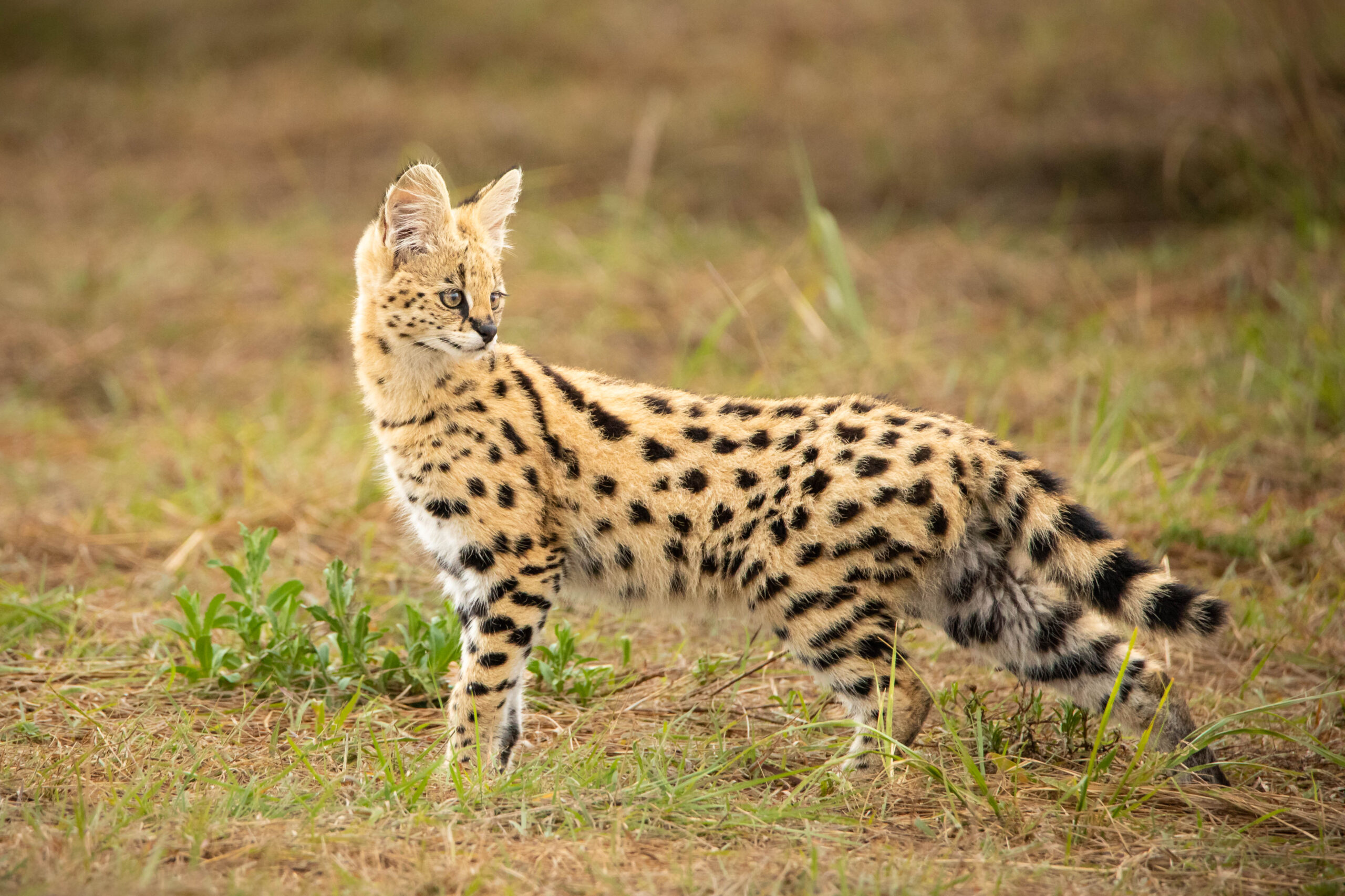
Serval
This medium-sized spotted cat is present throughout the Serengeti but rarely seen primarily nocturnal and secretive. The wet season, when tall grass provides cover, makes them even harder to spot. Night drives in Loliondo offer the best serval opportunities.
Hippopotamus
Hippos are found in every permanent river and pool system in the Serengeti. The Seronera River pools (central), Grumeti River (western), and Mara River (northern) all have large pods. The Seronera pools are the easiest to access and photograph.
Giraffe
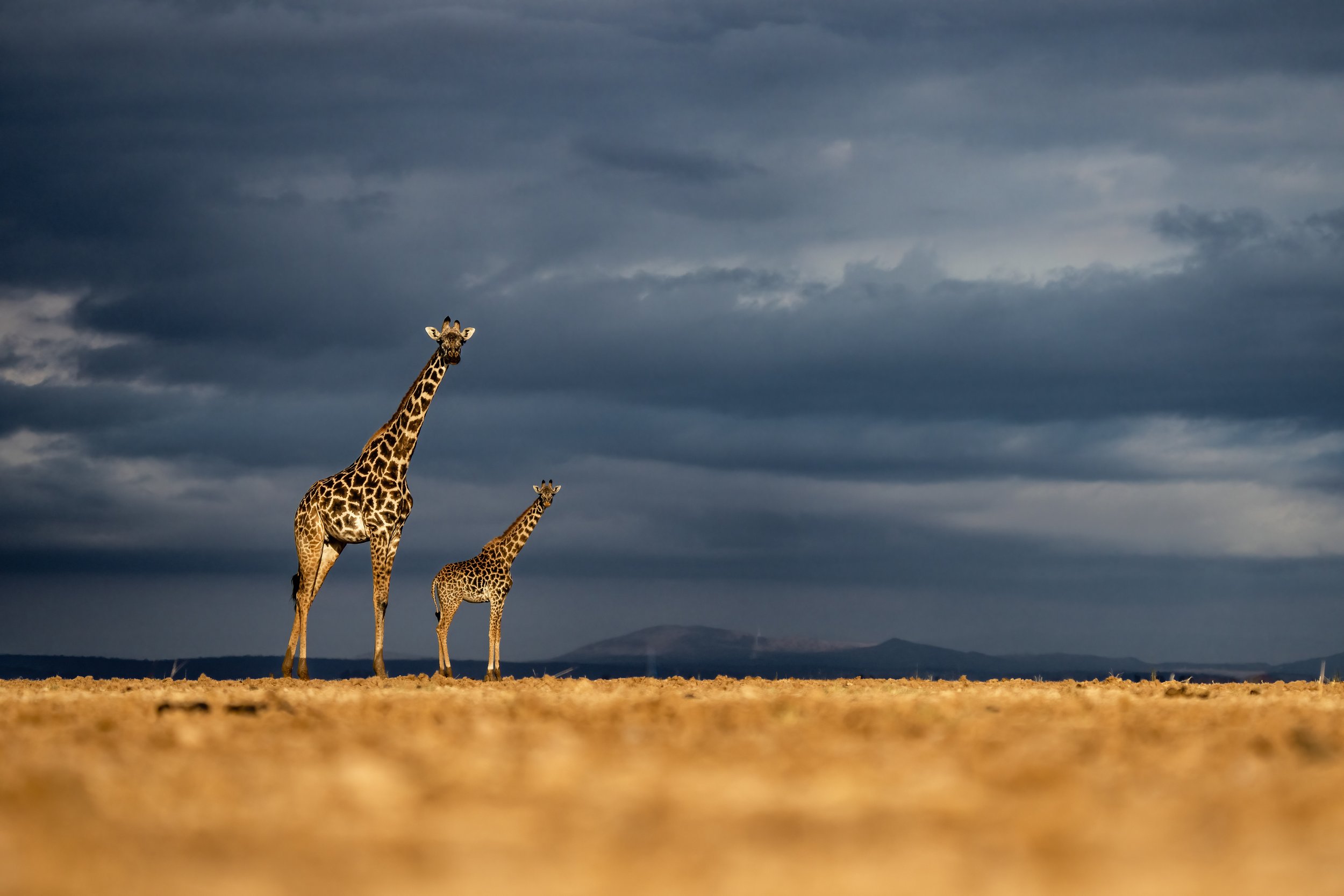
Maasai giraffe are abundant across all zones, particularly in areas with acacia woodland their primary food source. Central and northern Serengeti have the highest densities. Giraffe are often overlooked on safari but offer remarkable photographic opportunities, particularly at dawn when they move through acacia silhouettes.
Serengeti Bird Life: 500+ Species
The Serengeti’s bird diversity is extraordinary and often underappreciated on a mammal-focused safari. Key species to look for:
- Kori Bustard: World’s heaviest flying bird found on open Serengeti plains
- Lilac-Breasted Roller: The Serengeti’s most photographed bird vivid colours on open perches
- Secretary Bird: Walks upright through tall grass hunting snakes unmistakable
- Lappet-Faced Vulture: Africa’s largest vulture, present at most kills
- Martial Eagle: Africa’s most powerful eagle, regularly spotted on kopjes
- Superb Starling: Abundant and vividly coloured a constant companion at camp
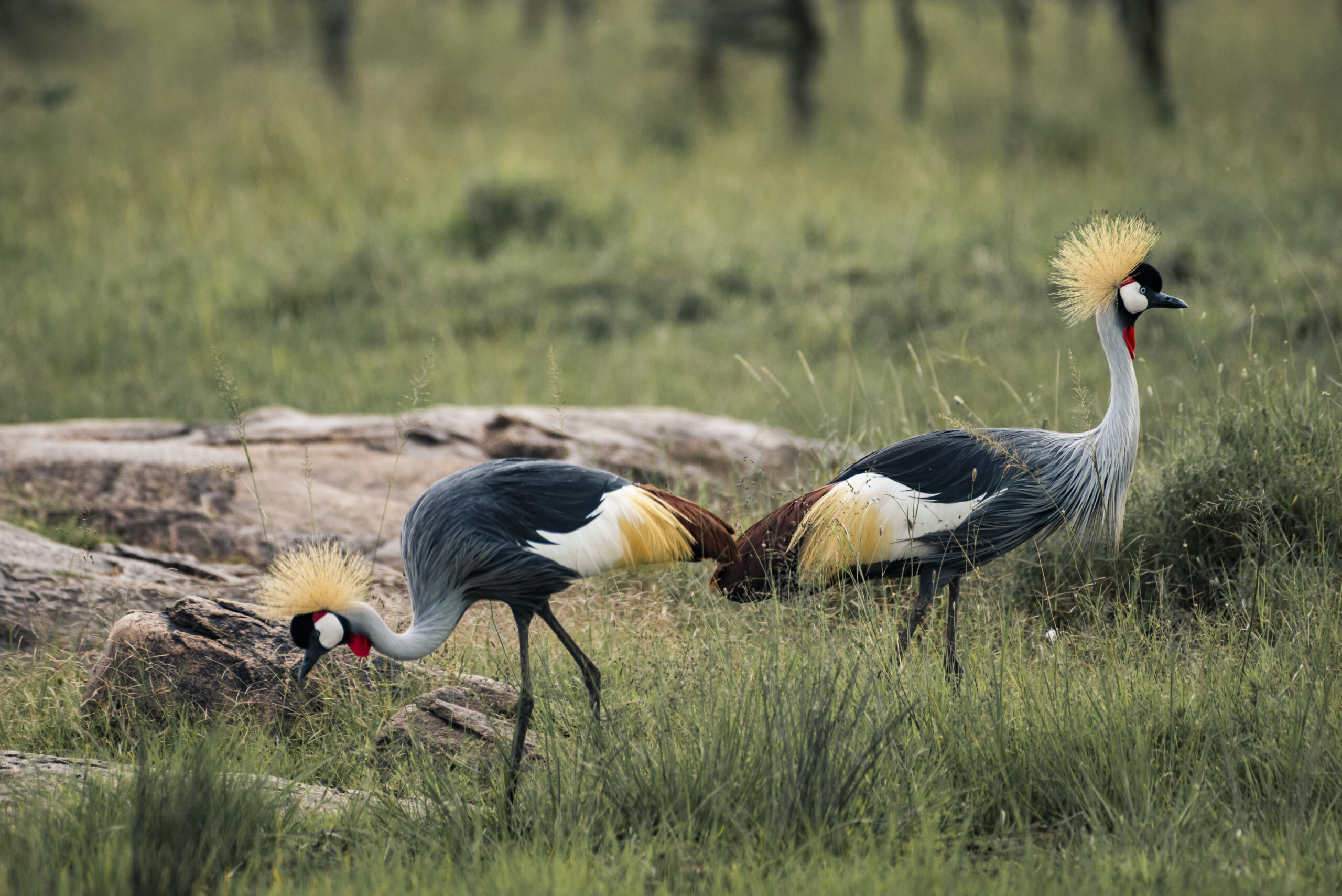
- Grey Crowned Crane: Tanzania’s national bird elegant and commonly seen
- African Fish Eagle: Iconic call, found near all major river systems
Best Time to Visit the Serengeti: Complete Seasonal Guide
| Month | Season | Migration | Weather | Crowds | Cost | Overall Rating |
| January | Dry / Calving | Southern calving | Warm, clear | Medium | High | ★★★★★ |
| February | Dry / Calving | Peak calving | Hot, clear | Medium | High | ★★★★★ |
| March | Long rains begin | Moving north | Some rain | Low | Medium | ★★★★ |
| April | Long rains | Central dispersed | Wet | Very Low | Low | ★★★ |
| May | Long rains end | Western Grumeti | Tapering | Very Low | Low | ★★★★ |
| June | Dry begins | Western / Central | Dry, cool | Medium | High | ★★★★ |
| July | Dry / Peak | Northern approach | Dry, cool | High | Peak | ★★★★★ |
| August | Dry / Peak | Mara River crossings | Dry, cool | Very High | Peak | ★★★★★ |
| September | Dry / Peak | Mara River crossings | Dry, warm | Very High | Peak | ★★★★★ |
| October | Dry | Final crossings | Warming | High | High | ★★★★ |
| November | Short rains | Moving south | Some rain | Low-Med | Medium | ★★★★ |
| December | Short rains / Dry | Arriving south | Variable | Medium | High | ★★★★ |
The Peak Dry Season (June–October): Classic Safari
This is the most popular period for good reason. Short grass makes wildlife highly visible. Animals concentrate around permanent water sources. The Great Migration moves through the central and northern zones, and the Mara River crossings of August–September are the headline event.
The trade-off: vehicle numbers are highest, particularly in northern Serengeti from August onwards. The best camps book out far in advance, and peak pricing applies across all accommodation tiers.
Calving Season (January–February): The Underrated Peak
The short-grass plains of the southern Serengeti in January and February are arguably the most exciting place in Africa for wildlife. The calving event brings predator density to extraordinary levels cheetahs, lions, wild dogs, and hyenas all converge on the southern plains to capitalise on the abundance of vulnerable young wildebeest.
January–February is simultaneously one of the best times to visit and one of the most overlooked by first-time safari planners. Accommodation rates are high (peak season) but crowd levels are significantly lower than August–September.
Green Season (March–May): The Photographer’s Opportunity
The long rains transform the Serengeti from a tawny, dry landscape into a vivid green canvas. This is divisive among safari travelers some find the moody skies, lush grass, and relative solitude ideal; others find the rain intrusive and the tall grass frustrating for wildlife spotting.
Honest assessment: March and May are genuinely excellent for the Serengeti. April is the wettest month and least recommended. In March and May, accommodation rates drop 30–50%, vehicle numbers fall sharply, and the Serengeti can feel like a genuinely private experience. Wildlife is no less abundant the animals simply have more space and cover.
Serengeti Safari Cost: Complete 2026 Breakdown
Tanzania National Park Fees (TANAPA) — 2026 Rates
| Fee Type | Cost (USD) | Notes |
| Adult entry fee (non-resident) | $82 per person/day | Payable at gate or through operator |
| Child entry fee (5–15 yrs) | $20 per child/day | Under 5 is free |
| Vehicle fee | $40–$50 per vehicle/day | Depends on vehicle type and seating |
| Camping fee (public sites) | $29.70 per person/night | In addition to park entry |
| Camping fee (special sites) | $59.40 per person/night | Private campsites — quieter, more exclusive |
| Concession fee (private reserves) | Variable | Singita Grumeti and similar — separate from TANAPA |
Full Cost Tiers: What Each Budget Delivers
| Budget Tier | Cost Per Person/Day | What You Get |
| Budget / Camping | $150 – $300 | Public campsites, shared game drives, basic meals, group vehicle |
| Mid-Range | $350 – $650 | Tented camps, private or semi-private drives, full board, good guides |
| Upper Mid-Range | $650 – $1,100 | Boutique camps, specialist guides, premium locations, sundowners |
| Luxury | $1,100 – $2,000 | Private camps, low vehicle ratios, exclusivity, top guiding |
| Ultra-Luxury | $2,000 – $4,000+ | Singita/&Beyond level private reserves, off-road access, perfection |
Sample 7-Day Serengeti Safari Costs (Per Person)
| Cost Element | Budget | Mid-Range | Luxury |
| Safari package (7 nights, all-in from Arusha) | $1,800 – $2,500 | $4,500 – $6,500 | $12,000 – $20,000 |
| International return flights | $800 – $1,400 | $1,000 – $2,000 | $2,000 – $8,000+ |
| Internal charter flights (Arusha → Serengeti) | Not included | $600 – $900 | Usually included |
| Tanzania e-visa | $50 | $50 | $50 |
| Travel & medical insurance | $100 – $150 | $150 – $250 | $300 – $600 |
| Guide & camp staff tips (7 days) | $175 – $250 | $175 – $250 | $250 – $400 |
| Balloon safari (optional) | $620 – $699 | $620 – $699 | Often included |
| TOTAL ESTIMATED PER PERSON | $3,500 – $5,500 | $7,000 – $10,600 | $17,000 – $30,000+ |
Sample Serengeti Safari Itineraries
5-Day Central Serengeti Focus (Best for First-Timers)
| Day | Route | Activity | Overnight |
| Day 1 | Arrive Kilimanjaro → Arusha | Transfer, briefing, rest | Arusha hotel |
| Day 2 | Arusha → Tarangire NP | Full day game drive elephants, baobabs | Tarangire camp |
| Day 3 | Tarangire → Serengeti (via Ngorongoro rim) | Scenic drive, afternoon game drive on entry | Central Serengeti camp |
| Day 4 | Central Serengeti | Full day Seronera Valley, kopjes, Seronera River | Central Serengeti camp |
| Day 5 | Central Serengeti → Arusha/fly home | Morning drive, exit game drive, transfer | Flight home |
8-Day Northern Circuit with Migration (July–October)
| Day | Route | Activity | Overnight |
| Day 1 | Arrive Arusha | Transfer, rest | Arusha hotel |
| Day 2 | Fly Arusha → Seronera | Afternoon central Serengeti game drive | Central camp |
| Day 3 | Central Serengeti | Full day Seronera Valley, big cats | Central camp |
| Day 4 | Fly Seronera → Kogatende | Afternoon northern Serengeti drive | Northern camp |
| Day 5 | Northern Serengeti | Full day Mara River crossing watch | Northern camp |
| Day 6 | Northern Serengeti | Full day second crossing attempt, Lamai plains | Northern camp |
| Day 7 | Ngorongoro Crater (fly or drive) | Full crater descent, Big Five | Ngorongoro rim |
| Day 8 | Ngorongoro → Arusha → fly home | Morning crater walk optional, transfer | Flight home |
10-Day Complete Serengeti Ecosystem (All Zones)
| Day | Zone | Highlight | Overnight |
| Day 1 | Arusha | Arrive, acclimate | Arusha |
| Day 2 | Tarangire NP | Elephant herds, baobabs | Tarangire |
| Day 3 | Southern Serengeti (Ndutu) | Calving plains / predator density | Ndutu camp |
| Day 4 | Southern Serengeti | Second calving plains day, wild dog search | Ndutu camp |
| Day 5 | Central Serengeti | Seronera Valley leopard, lion, hippo | Seronera |
| Day 6 | Central Serengeti | Kopjes, cheetah, balloon safari (optional) | Seronera |
| Day 7 | Western Corridor (Grumeti) | Grumeti River, hippos, roan antelope | Grumeti camp |
| Day 8 | Fly to Northern Serengeti | Kogatende Mara River position | Northern camp |
| Day 9 | Northern Serengeti | Full day river crossing watch | Northern camp |
| Day 10 | Ngorongoro Crater | Full crater descent, rhino search | Ngorongoro rim |
Practical Guide: Logistics, Visas, Health & Packing
Getting to the Serengeti
International Flights
The main entry point for Serengeti safaris is Kilimanjaro International Airport (JRO), 45 minutes from Arusha. Alternatively, Julius Nyerere International (DAR) in Dar es Salaam connects via a domestic flight to Kilimanjaro or Arusha. Most European and North American visitors route through Nairobi (NBO), Amsterdam (AMS), Doha (DOH), or Dubai (DXB).
Getting from Arusha to the Serengeti
By road: 7–10 hours from Arusha to the central Serengeti gate (Naabi Hill). The road passes through the Ngorongoro Conservation Area scenic but long. By charter flight: 45–90 minutes to Seronera airstrip (central), Kogatende (north), or Ndutu (south) from Arusha Airport or Kilimanjaro. Charter flights cost $250–$450 per person per sector on scheduled shared services.
Flying Within the Serengeti
Charter flights between Serengeti airstrips are the most efficient way to cover multiple zones. Seronera to Kogatende takes approximately 35 minutes by air. Driving the same route takes 3–4 hours on internal park tracks. For any itinerary covering two or more zones, charter flights are strongly recommended.
Visas and Entry
- Tanzania tourist e-visa: $50 USD apply online at immigration.go.tz before departure
- Processing time: 10–14 business days apply well in advance
- US citizens may obtain visa on arrival but the e-visa process is smoother
- East Africa Tourist Visa ($100) covers Tanzania, Kenya, and Uganda good value for multi-country trips
- Passport must be valid for at least 6 months beyond your travel date
Health Requirements and Precautions
Required
- Yellow fever vaccination certificate required if arriving from or transiting through an endemic country
Check the current list of endemic countries as it changes your travel clinic will confirm.
Strongly Recommended
- Malaria prophylaxis consult your doctor on the most suitable option (atovaquone/proguanil, doxycycline, or mefloquine)
- Travel and medical evacuation insurance non-negotiable; AMREF Flying Doctors evacuation cover is specifically worth considering for remote Serengeti camps
- Typhoid and hepatitis A vaccinations
- Routine vaccinations up to date (MMR, tetanus, etc.)
Health Facilities
The nearest significant medical facilities are in Arusha (ELCT Arusha Lutheran Medical Centre) hours from most Serengeti camps. Remote camps have first-aid kits and radio communication with medical services, but for serious illness or injury, evacuation to Arusha or Nairobi is required. Insurance covering medical evacuation is essential.
What to Pack for a Serengeti Safari
Clothing
- Neutral colours: khaki, sand, olive, grey avoid bright colours and blue or black (attract tsetse flies)
- Long-sleeved shirts for sun protection and insect barrier during morning drives
- Warm fleece or softshell jacket Serengeti mornings can be 8–12°C in the dry season
- Light rain jacket (green season)
- Comfortable walking shoes or trail runners for camp walks
- Sandals for around camp


Optics and Photography
- Binoculars: 8×42 or 10×42 quality optics are transformative on safari
- Camera with telephoto lens: 300mm minimum, 400–600mm for serious wildlife photography
- Beanbag or window mount for vehicle-based shooting
- Extra memory cards and batteries charging opportunities vary by camp
- Dust-proof bag or dry bag for camera gear (dust is significant on dry-season drives)
Practical Essentials
- High-factor sunscreen (SPF 50+) equatorial sun is intense
- Lip balm with SPF
- Personal medications and prescription copies
- Power bank solar charging at some camps, unreliable at others
- Headlamp for navigating camp at night
- US dollars in cash some camps and operators require cash tips; ATMs do not exist in the Serengeti
Mistakes That Waste Time and Money in the Serengeti
Booking Too Late for Peak Season
The best northern Serengeti camps for July–October are booked out 9–12 months in advance. Mid-range camps fill 4–6 months out. If you’re planning a peak season trip and reading this with less than 4 months to go, your options have already narrowed. Book immediately.
Doing the Serengeti as a Short Trip
A 2-day Serengeti visit is like spending 2 days in Paris and saying you’ve seen Europe. The park is 14,763 square kilometres. A minimum of 4 nights is needed to explore more than one zone; 6–7 nights is the sweet spot for a rounded Serengeti experience.
Ignoring the Calving Season
January–February calving season consistently outperforms expectations. If your travel dates are flexible and peak river crossings aren’t the goal, southern Serengeti in January–February is one of the most rewarding safari windows in Africa with fewer vehicles than August and comparable wildlife drama.
Choosing Accommodation Purely on Price
In the Serengeti, the price difference between operators often reflects guide quality, vehicle condition, and camp location. A $100/day saving that results in an inexperienced guide and a camp 45 minutes from prime wildlife habitat costs you more in quality than it saves in cash.
Not Factoring In Internal Flights
Driving between Serengeti zones takes 3–5 hours on internal park roads — time that could be spent on game drives. Charter flights between airstrips cost $300–$450 per sector but add real value to multi-zone itineraries. Budget for them from the start.
Underestimating Tips
Tipping is a meaningful component of guide and camp staff income in Tanzania. Budget $15–$20 per day for your guide, $10–$15 per day for your camp staff collectively, and $20–$30 per balloon pilot. On a 7-day safari, that’s $200–$280 in cash bring US dollars from home, as there are no ATMs in the Serengeti.
Expert Insider Tips for the Serengeti
Ask Your Guide About the Migration Daily
Migration tracking is an active, daily process. The best guides network with other vehicles across the park via radio communication, receive reports from fixed-wing aircraft, and make real-time decisions about where to position you. Before each game drive, ask your guide what the current migration situation is and where they’re taking you. Engaged travelers get better safaris.
Go Before the Crowds Arrive at Sightings
In peak season, a lion kill or leopard sighting can attract 15–20 vehicles within 30 minutes of radio communication spreading the news. The best strategy: go early (before 7 AM) when sightings are fresh and vehicles are few. Be at the Mara River crossing points by 6:30 AM. Midday returns to camp are for those who don’t mind sharing.
Consider a Mobile Camp Experience
Several operators offer ‘mobile camping’ — moving a small camp to follow the migration, camping in different locations each night. This is authentic, logistically elegant, and often delivers more intimate wildlife contact than fixed lodges. It works best with trusted operators who have the equipment and experience to do it properly.
The Green Season Bonus — Better Photography
The Serengeti in March and May is greener, moodier, and more photogenic than the bone-dry August landscape. The dramatic cumulus clouds that build over the plains in the green season are extraordinary backdrops for wildlife photography. If your goal is images rather than the highest animal count per hour, green season is worth serious consideration.
Frequently Asked Questions
How many days do you need in the Serengeti?
A minimum of 4 nights is needed for a meaningful Serengeti experience. This allows you to cover the main habitats of one zone and adjust your game drive strategy as wildlife moves. For a complete experience covering multiple zones (central + northern, or central + southern), 6–8 nights is the recommended baseline. The Serengeti rewards time — each additional day adds new encounters.
What is the best time of year to visit the Serengeti?
There is no single best time it depends on your priorities. For the Great Migration river crossings: July–October (northern Serengeti). For calving season and predator action: January–February (southern Serengeti). For year-round reliable wildlife with good value: June or November. For solitude and photography on a budget: March or May (green season).
How much does a Serengeti safari cost?
A 7-day Serengeti safari costs between $3,500 and $20,000+ per person all-in (including international flights). Mid-range packages from Arusha run $4,500–$7,000 per person. Luxury packages start at $12,000. Budget camping safaris can be done for $3,000–$4,500 per person including flights.
Can you see the Big Five in the Serengeti?
Yes all Big Five are present in the Serengeti. Lion, leopard, elephant, and buffalo are reliably sighted with a good guide in the central zone. Black rhino sightings in the Serengeti are extremely rare for rhino, combine your safari with a Ngorongoro Crater visit, which has approximately 26–30 black rhinos.
Is the Serengeti safe to visit?
Yes. Tanzania is one of Africa’s most politically stable and tourist-safe destinations. Safari visitors are extremely rarely affected by crime. The main risks are health-related (malaria, gastrointestinal illness) and are manageable with standard precautions. Safari vehicles and camps are highly experienced at managing wildlife safety follow guide instructions and common-sense protocols.
What is the difference between Serengeti and Maasai Mara?
The Serengeti (Tanzania) and Maasai Mara (Kenya) are part of the same ecosystem. The Serengeti is roughly ten times larger, significantly cheaper in park fees, and holds the migration for ten months of the year. The Maasai Mara permits off-road driving and night drives in its private conservancies an advantage for photographers. Both destinations are excellent; the Serengeti is better value for most travelers outside July–October.
Do you need vaccinations for the Serengeti?
A yellow fever vaccination certificate is required if you’re arriving from or transiting through a yellow fever endemic country. Malaria prophylaxis is strongly recommended for all Serengeti visitors. Consult a travel health clinic 6–8 weeks before departure for personalised advice on vaccinations and medications.
Plan Your Serengeti Safari with Expert Help
The Serengeti is one of the most complex safari destinations to plan well zones, seasons, migration timing, accommodation quality, and guide expertise all determine the difference between a good trip and an extraordinary one.
Our Tanzania-based safari specialists have first-hand knowledge of every camp, guide, and migration pattern in this guide. Tell us your dates, priorities, and budget we’ll build the right itinerary.
Ready to experience the Serengeti for yourself?
Plan your journey with expert local guides who know where the wildlife is not just where the roads go.
👉 Message us now on WhatsApp: +255 778 823 947
👉 Request your custom safari itinerary today
👉 See what our guests say on TripAdvisor: [https://www.tripadvisor.com/Attraction_Review-g297913-d25370154-Reviews-Forever_Nature_Safaris-Arusha_Arusha_Region.html]
📩 Contact Forever Nature Safaris today.