The best time Tanzania safari experiences happen depends entirely on what you want to see and experience. Tanzania offers world-class wildlife viewing all year, but different months deliver different highlights — from dramatic Great Migration river crossings to peaceful green landscapes filled with newborn wildlife.
If you are planning your first safari, understanding the seasons will help you choose the perfect timing for your dream adventure.
This detailed month-by-month guide explains weather patterns, wildlife movements, pricing seasons, and travel advantages — so you can confidently plan your Tanzania safari.
Understanding Tanzania’s Safari Seasons
Before breaking down each month, it’s important to understand the three main safari seasons:
-
Dry Season (June – October) – Peak wildlife viewing
-
Green Season (November – March) – Calving season and fewer crowds
-
Long Rain Season (April – May) – Low season with lush scenery
Each season affects animal behavior, park accessibility, and travel costs.
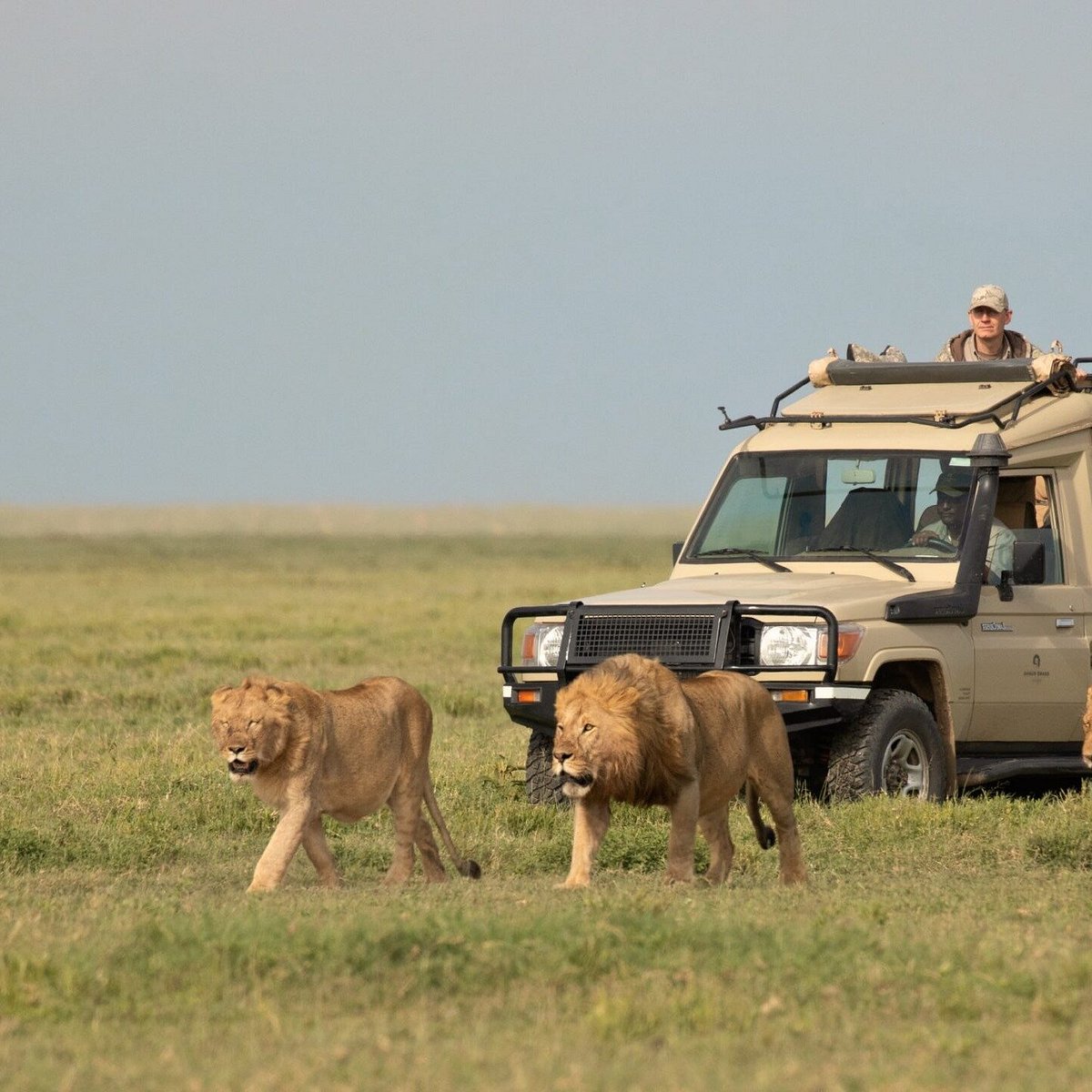
January – March: Calving Season & Predator Action
For many safari experts, this is secretly the best time Tanzania safari lovers can visit, especially for dramatic wildlife encounters.
What Happens:
-
Over 500,000 wildebeest calves are born in the southern Serengeti.
-
Predators (lions, cheetahs, hyenas) are extremely active.
-
Landscapes are green and beautiful.
Weather:
-
Warm temperatures
-
Occasional short rains
-
Excellent photography lighting
Best For:
-
Wildlife photographers
-
First-time visitors wanting action
-
Families (easier wildlife sightings)
If your goal is to witness nature’s most intense predator-prey interactions, January and February are exceptional months.
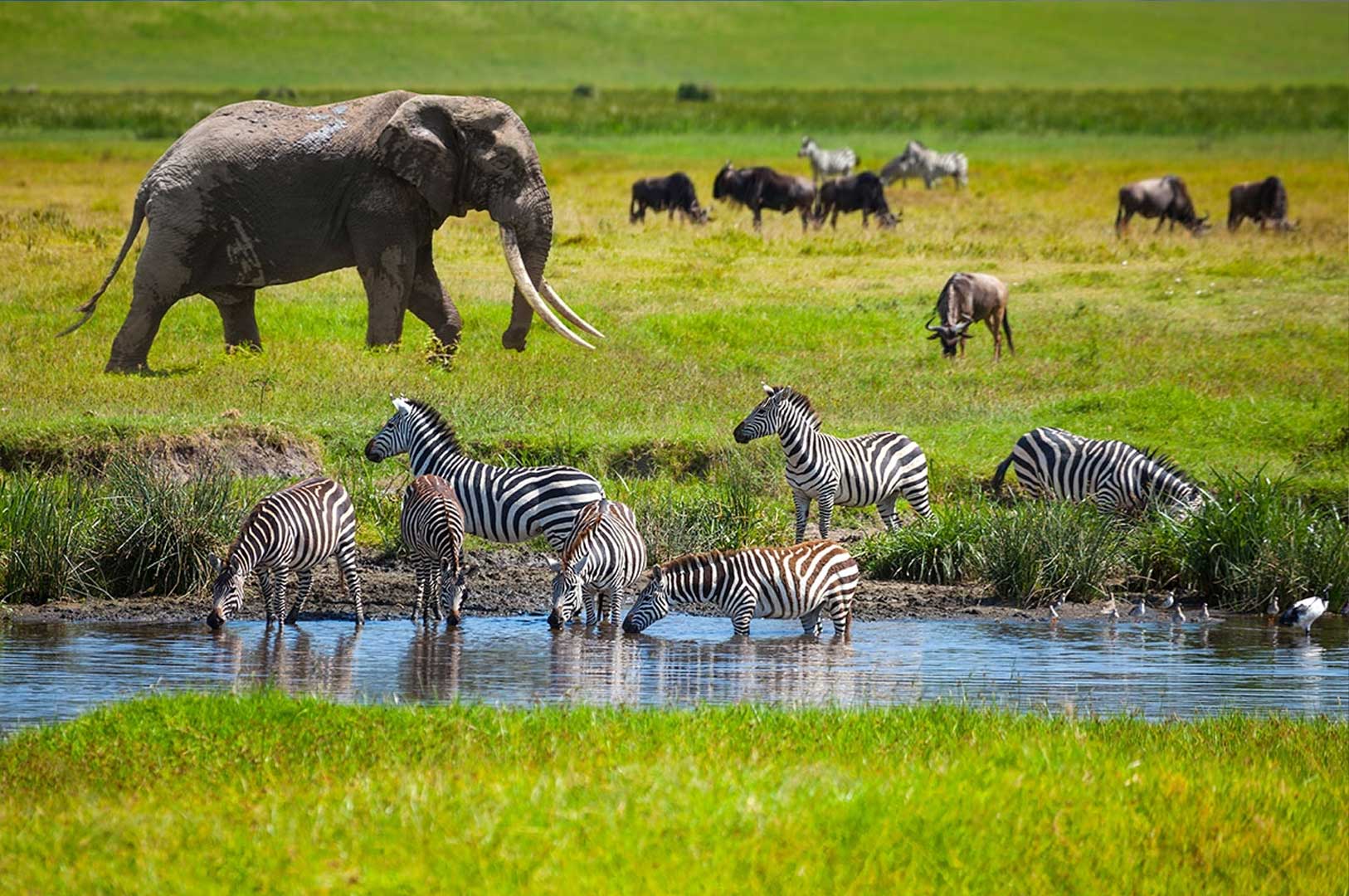
April – May: The Long Rains (Low Season)
These are Tanzania’s wettest months.
What to Expect:
-
Heavy rains, especially in April
-
Fewer tourists
-
Lower lodge prices
-
Some camps close temporarily
Advantages:
-
Best safari discounts
-
Dramatic skies for photography
-
Quiet parks with minimal vehicles
While not traditionally considered the best time Tanzania safari travelers choose, this period suits budget-conscious travelers and those who prefer solitude.
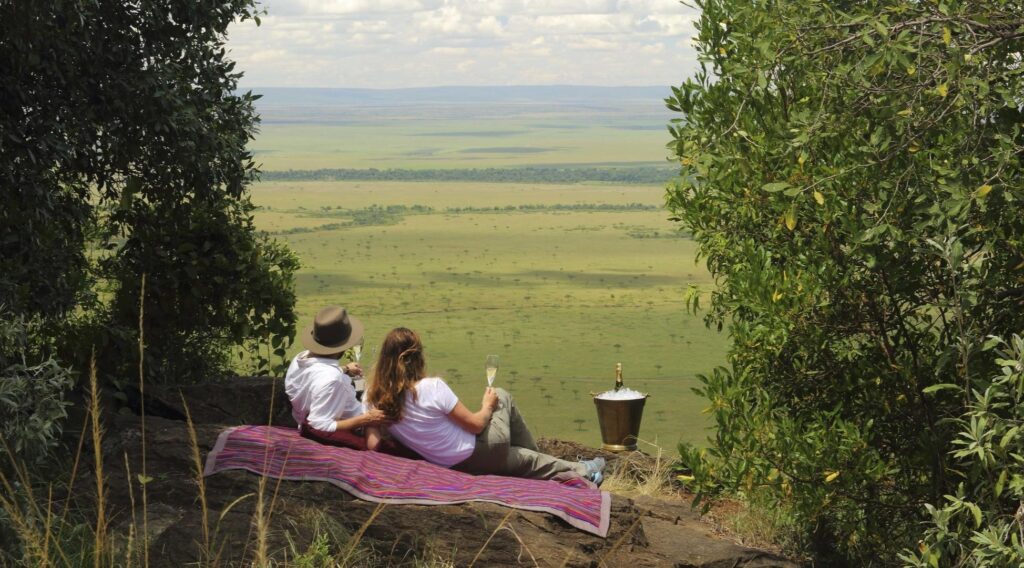
June: Start of the Dry Season
June marks the beginning of prime safari conditions.
Why June Is Excellent:
-
Rain stops and landscapes begin drying
-
Animals start gathering near water sources
-
Migration begins moving north
Crowds are still moderate compared to peak months.
If you want excellent wildlife viewing without peak-season pricing, June is a smart choice.
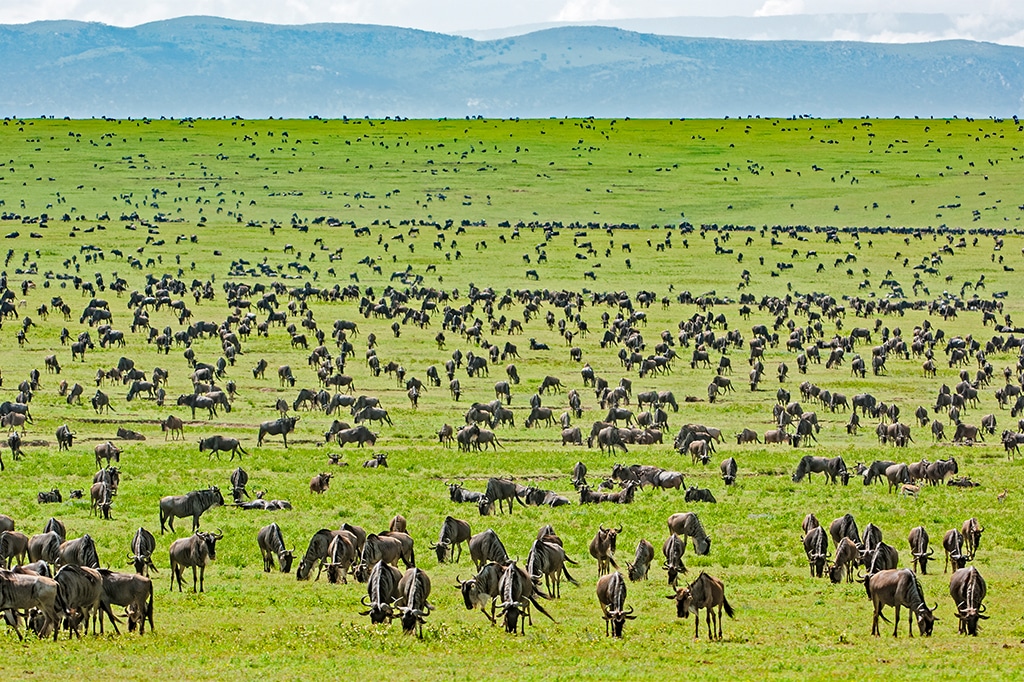
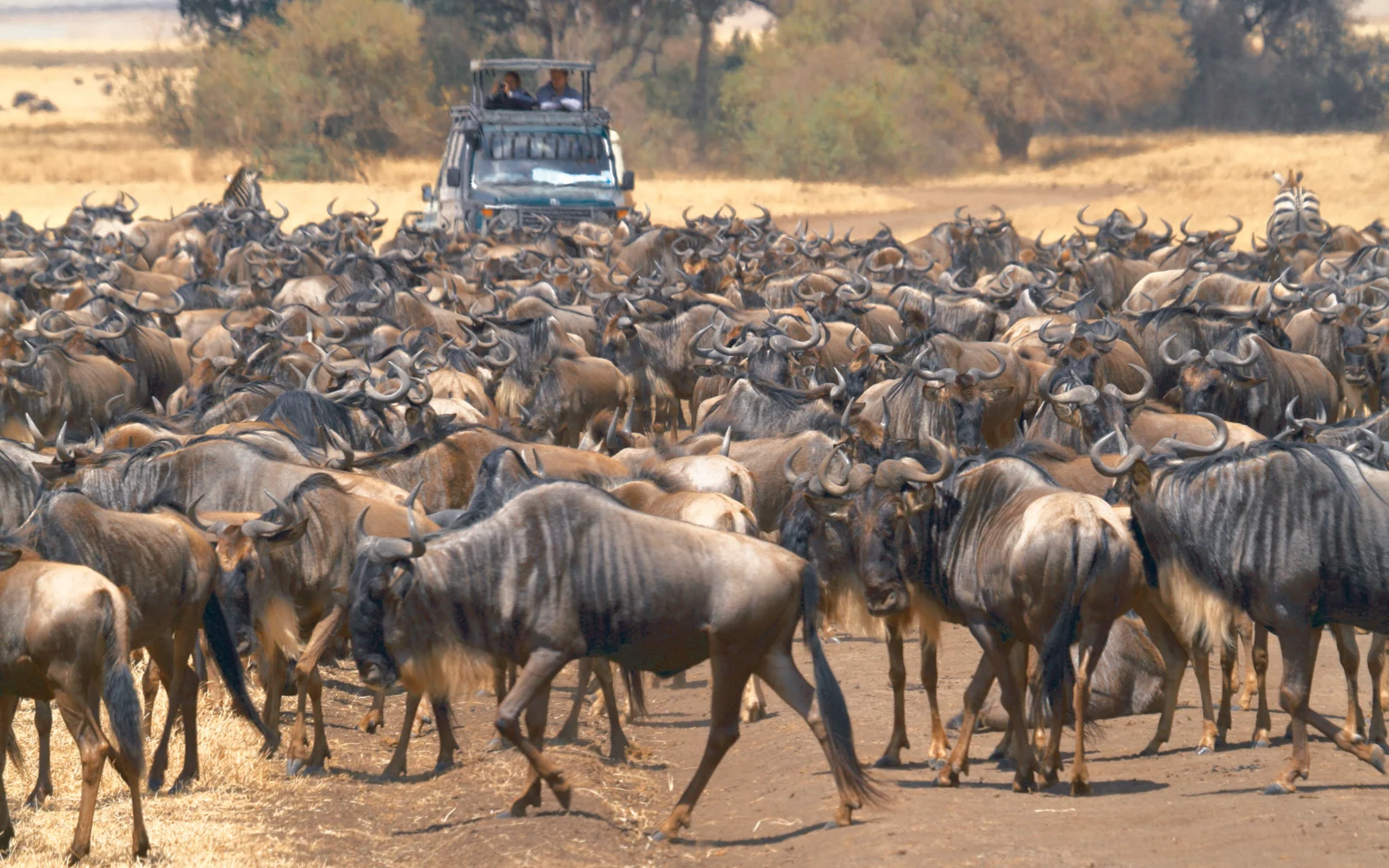
July – September: Peak Safari & River Crossings
This period is widely regarded as the best time Tanzania safari experience for classic Big Five viewing.
Highlights:
-
Great Migration river crossings in Northern Serengeti
-
High wildlife density
-
Clear skies and cool evenings
-
Minimal vegetation for easy animal spotting
Wildlife Visibility:
-
Lions resting in open plains
-
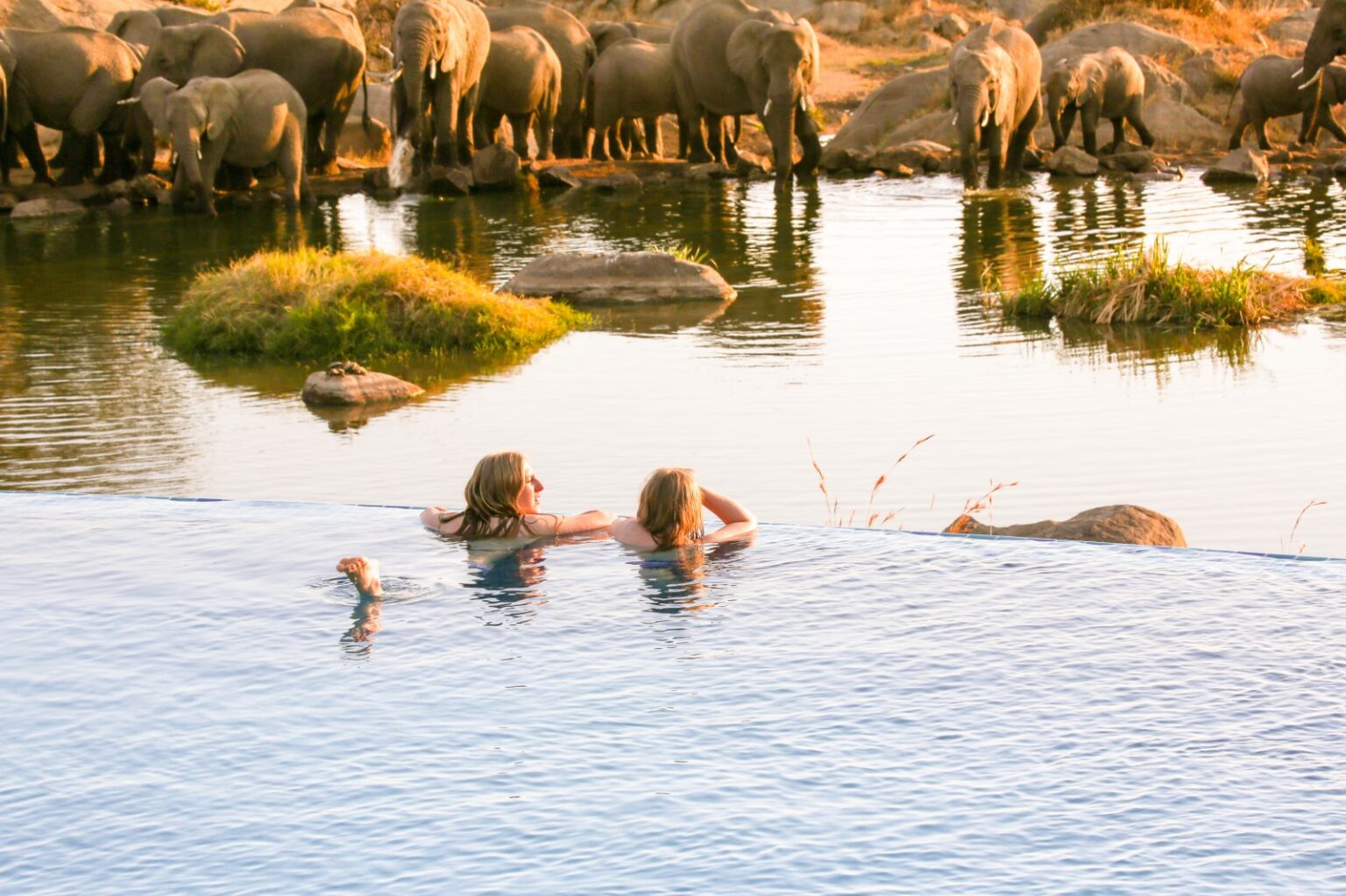
Elephants gathering near water
-
Leopards easier to track
-
Hippos clustered in shrinking rivers
This is high season:
-
Premium lodge rates
-
Advanced booking required (6–12 months ahead)
-
More safari vehicles in popular areas
For first-time safari visitors, this is the safest and most reliable period.
October: Transition Month
October remains dry but slightly warmer.
Why It’s Underrated:
-
Excellent predator sightings
-
Slightly fewer tourists than August
-
Wildlife highly concentrated around water
Many safari planners consider October one of the most balanced months in terms of experience and crowd levels.
November – December: Short Rains & Green Return
The short rains arrive in November but rarely disrupt safari plans.
Benefits:
-
Fewer tourists
-
Lower prices
-
Fresh green scenery
-
Bird migration begins
December is popular for holiday travelers, especially families.
If you prefer a balance between wildlife, beauty, and moderate pricing, this period can still be an excellent time Tanzania safari planners recommend.
Month-by-Month Quick Summary
| Month | Wildlife | Crowds | Pricing | Recommendation |
|---|---|---|---|---|
| Jan–Feb | Calving season | Moderate | Mid-range | Excellent |
| March | Predator activity | Moderate | Mid-range | Very Good |
| April | Rainy | Very Low | Lowest | Budget option |
| May | Rainy | Very Low | Low | Quiet experience |
| June | Migration moving | Moderate | Rising | Strong choice |
| July–Sept | River crossings | High | Premium | Best overall |
| October | Dry & concentrated wildlife | Moderate | High | Excellent |
| Nov | Green & fresh | Low | Mid-range | Good value |
| Dec | Mixed | Moderate | Mid–High | Holiday season |
Best Time Tanzania Safari Based on Your Travel Style
🦁 For First-Time Visitors
June to October offers the most reliable wildlife sightings.
📸 For Photography
January–March (calving season) or November (green landscapes).
💍 For Honeymooners
June, October, or January provide balance between weather and exclusivity.
💰 For Budget Travelers
April and May offer the lowest rates.
What About the Great Migration?
The Great Migration moves in a circular pattern through the Serengeti ecosystem.
-
January–March: Calving in Southern Serengeti
-
April–June: Moving north
-
July–September: River crossings in Northern Serengeti
-
October–December: Returning south
If river crossings are your priority, July through September is the best time Tanzania safari planners recommend.
Weather Overview
-
Dry Season temperatures: 20–30°C
-
Green Season temperatures: 25–32°C
-
Evenings can be cool (especially June–August)
-
Rain rarely lasts all day
Tanzania’s climate allows safari travel year-round.
Is There Really a “Bad” Time?
No.
Tanzania remains one of Africa’s most consistent safari destinations because:
-
Wildlife does not migrate out of the country
-
The ecosystem remains active year-round
-
Major parks like Serengeti and Ngorongoro offer permanent wildlife populations
The “best” time truly depends on your expectations.
Final Recommendation for First-Time Visitors
If you want guaranteed wildlife viewing, clear weather, and classic safari conditions, choose:
June to October
If you want dramatic predator action and fewer crowds:
January to February
Every season delivers something unique — and that’s what makes Tanzania extraordinary.
Frequently Asked Questions (FAQ)
What is the best time Tanzania safari visitors should travel?
The best time Tanzania safari travelers choose is June to October during the dry season. Wildlife is easier to see because animals gather near water and vegetation is sparse.
Is Tanzania safari good in March?
Yes. March is part of the calving season in the Serengeti, making it excellent for predator sightings and dramatic wildlife encounters.
When is the Great Migration river crossing?
River crossings usually occur between July and September in Northern Serengeti, though exact timing depends on rainfall patterns.
Is April a bad month for safari in Tanzania?
April is the wettest month and considered low season. However, it offers lower prices, fewer tourists, and beautiful green landscapes.
Is Tanzania safari expensive during peak season?
Yes. July through September is peak season with premium lodge rates. Booking early is highly recommended.
Can I combine safari with Zanzibar?
Absolutely. Many travelers combine a Northern Safari Circuit experience with a Zanzibar beach stay, especially during June–October and January–February.
Ready to Plan Your Tanzania Safari?
Now that you understand the best time Tanzania safari experiences happen, the next step is designing the right itinerary for your travel dates, budget, and expectations.
At Forever Nature Safaris, we specialize in customized Tanzania safaris across the Northern, Southern, and Western circuits — from Great Migration river crossings to private honeymoon adventures and family-friendly journeys.
Our safari specialists will:
✔ Recommend the best parks based on your travel month
✔ Suggest ideal lodge categories (luxury, mid-range, boutique camps)
✔ Align your trip with wildlife movement patterns
✔ Combine safari with Zanzibar beach relaxation if desired
Tell us your travel dates and we’ll design a tailored safari proposal within 24 hours.