Tanzania’s Forgotten Giant
Nyerere National Park safari experiences remain one of Tanzania’s best-kept secrets. Ask most first-time visitors to Tanzania to name the country’s most famous parks, and they’ll list Serengeti National Park, Ngorongoro Crater, and perhaps Tarangire National Park. Nyerere National Park the former Selous Game Reserve rarely features in those first answers.
That oversight is extraordinary given the numbers: Nyerere is one of the largest protected wildlife areas in Africa, covering 30,893 square kilometres. It hosts the largest elephant population in Tanzania, the world’s largest wild dog population, and a Rufiji River system teeming with hippos, crocodiles, and exceptional birdlife.
The reason it stays under the radar is that it’s harder to reach than the northern circuit parks. But for experienced safari travellers who value solitude, diverse activities (boat safaris, walking safaris, night drives), and true off-the-beaten-path wilderness, Nyerere is a revelation.
Nyerere National Park: Key Facts
| Detail | Information |
|---|---|
| Previous name | Selous Game Reserve (renamed 2019 to honour Julius Nyerere) |
| Size | 30,893 sq km |
| Location | Southeast Tanzania, Morogoro & Lindi Regions |
| Entry fee (non-resident) | $75 per adult per day |
| Nearest major city | Dar es Salaam (250 km) |
| Access | Fly from Dar es Salaam or Arusha (1–2 hrs charter) |
| Best time to visit | June–October (dry season) |
| Unique activities | Boat safari on Rufiji River, walking safari, night drives |
Wildlife in Nyerere National Park
African Wild Dogs
Nyerere is one of the best places in Africa to see African wild dogs — also called painted wolves. The park hosts the world’s largest population outside South Africa. Dens are often located near camps, and guide networks track pack movements. If wild dog is your priority species, Nyerere should be your primary destination.
Elephants
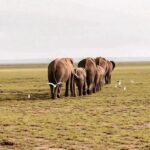
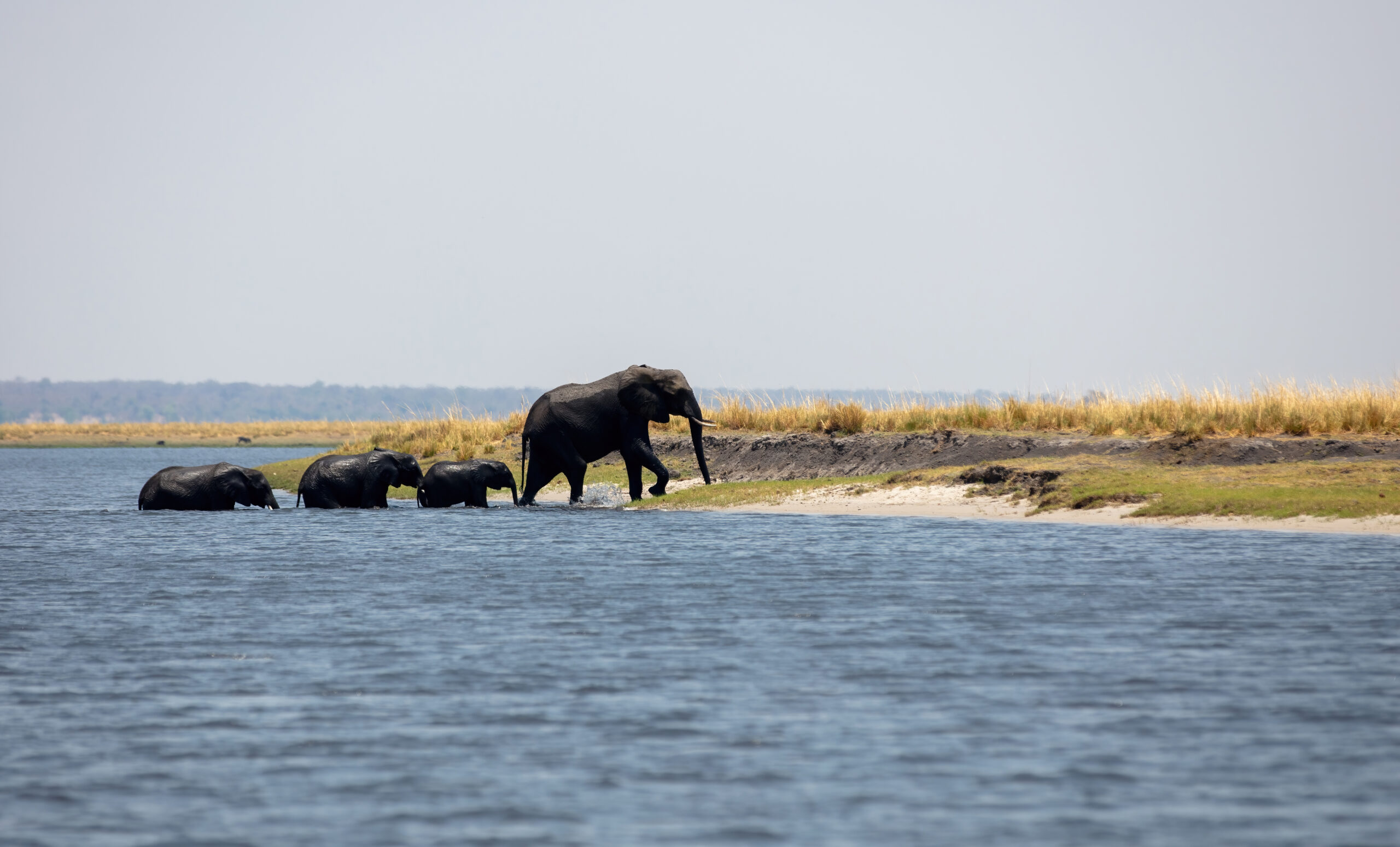
An estimated 15,000–20,000 elephants live in Nyerere. The recovery here from devastating 1980s–90s poaching has been one of Africa’s great conservation success stories. Herds are frequently encountered crossing the Rufiji and its tributaries.
Rufiji River Wildlife
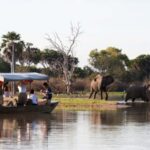
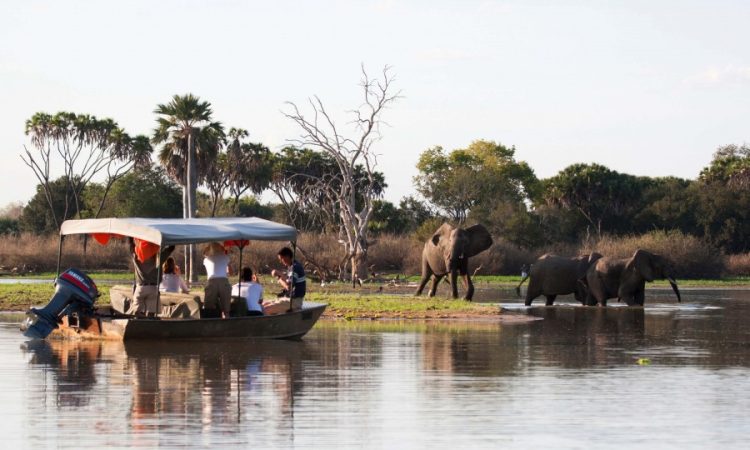
The boat safari on the Rufiji is one of Tanzania’s most distinctive game-viewing experiences. Hippo pods of 40–50 animals. Nile crocodiles of extraordinary size basking on sandbars. African fish eagles calling overhead. And the chance to drift silently past elephant drinking at the water’s edge — a perspective impossible from a vehicle.
Other Species
- Lion: large prides, highly active in the dry season
- Leopard: good density in the riverine forests
- Buffalo: massive herds of several thousand
- Giraffe, zebra, wildebeest, impala, waterbuck, sable antelope
- Over 440 bird species including the African skimmer, palm-nut vulture, and rare Pel’s fishing owl
Activities in Nyerere National Park
Boat Safari
The boat safari on the Rufiji River is the signature Nyerere experience. Morning and afternoon departures give completely different light and wildlife conditions. This is where bird photography is at its finest — the water reflection in early morning light makes for extraordinary images.
Walking Safaris
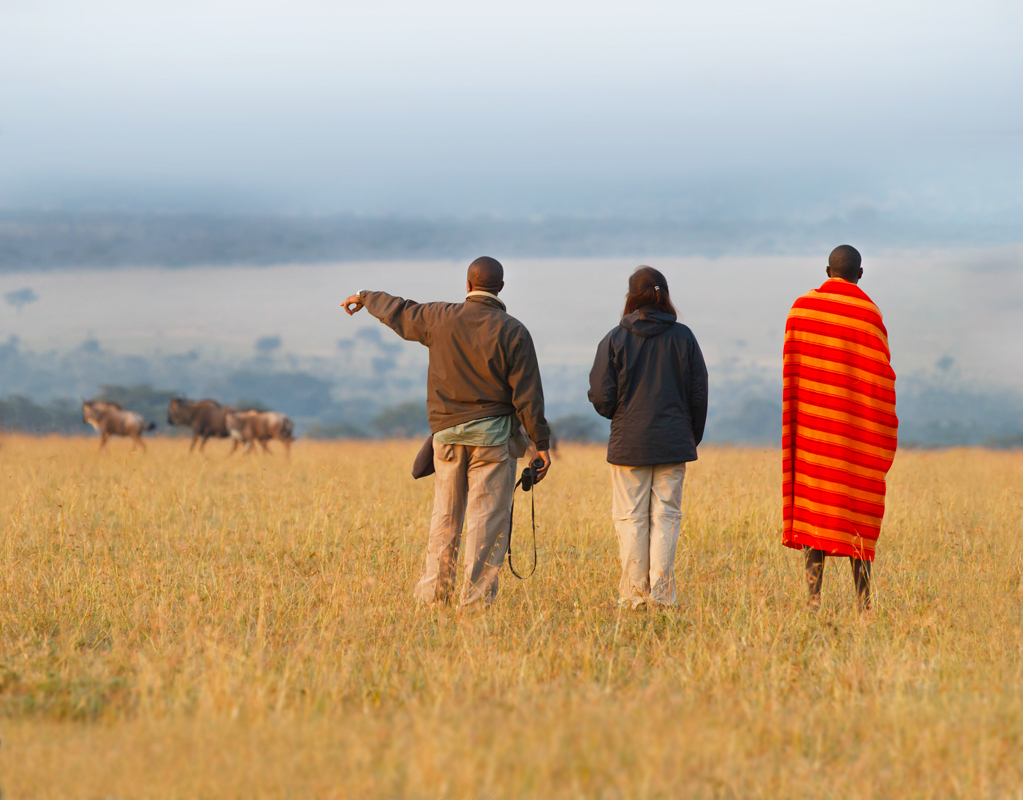
Nyerere is one of the best walking safari destinations in East Africa. Armed ranger escorts allow guests to get out of the vehicle and track wildlife on foot — understanding lion spoor, reading elephant body language at close range, and experiencing the bush on a scale that a vehicle prevents.
Night Drives
Unlike Tanzania’s national parks, Nyerere (as a game reserve) permits night drives in certain areas. This opens up the nocturnal world genets, civets, nightjars, and the chance of spotting lion or leopard at their most active.
Fly Camping
The ultimate immersive experience: a mobile camp set up in the wilderness for one or two nights, with nothing between you and the African sky. Available through select operators at a premium.
Nyerere Safari Cost Breakdown
| Tier | Cost Per Person Per Day | What’s Included |
|---|---|---|
| Mid-Range | $400 – $700 | Tented camp, boat + game drives, full board, park fees |
| Upper Mid-Range | $700 – $1,200 | Boutique camp, walking safari, night drives, fly-in |
| Luxury | $1,200 – $2,500 | Private camp, all activities, fly-in, specialist guides |
Estimated 7-Night Nyerere Safari Costs
| Cost Item | Mid-Range | Luxury |
|---|---|---|
| Camp accommodation + activities | $3,500 – $5,500 | $10,000 – $18,000 |
| Charter flights (Dar – Nyerere return) | $400 – $700 | Often included |
| Park fees (7 days) | $525 | $525 |
| International flights | $900 – $1,400 | $2,000 – $5,000 |
| TOTAL PER PERSON | $5,400 – $8,100 | $12,500 – $24,000+ |
Best Camps in Nyerere National Park
- Roho ya Selous (Asilia Africa) — outstanding location, excellent wild dog tracking
- Siwandu Camp — beautifully positioned on the lake system, iconic Nyerere camp
- Sand Rivers Selous — legendary camp, ultra-private, walking safari specialist
- Jongomero Camp — southern Nyerere, exceptional exclusivity and wild dog access
- Rufiji River Camp — solid mid-range with excellent boat safari access
Getting to Nyerere National Park
The most practical approach is a charter flight from Dar es Salaam’s Julius Nyerere International Airport (DSM) to one of several airstrips inside the park. Flight time is 45–75 minutes. Flights from Arusha via Zanzibar are also possible but add connections.
Road access from Dar es Salaam takes 4–6 hours on variable road quality. The drive is passable in a good 4×4 during the dry season but can be difficult in the rains. Most operators strongly recommend flying.
Discover Nyerere National Park on Safari
Our southern Tanzania specialists arrange fly-in Nyerere safaris with the region’s best camps, wild dog tracking, and boat safari experiences.
→ Plan Your Nyerere Safari Today
FAQs Nyerere National Park
1. Is Nyerere National Park the same as Selous?
Yes — Nyerere National Park was formerly known as the Selous Game Reserve, which was renamed in 2019 to honour Tanzania’s founding president Julius Nyerere. The northern photographic safari area retains its world-class wildlife and activities.
2. What is the best time to visit Nyerere National Park?
June through October is the best time to visit Nyerere — the dry season concentrates wildlife around the Rufiji River, boat safaris are at their most productive, and conditions for walking safaris are optimal.
3. Can you see African wild dogs in Nyerere?
Yes — Nyerere hosts one of Africa’s largest African wild dog populations. Sightings are highly seasonal (pups are born around June) and require local knowledge of pack movements, but the dedicated camp guides at top lodges track packs daily.
4. What is a boat safari in Nyerere like?
A boat safari on the Rufiji River is one of Tanzania’s most unique game-viewing experiences — drifting past hippo pods, crocodile sandbars, and elephant drinking sites in complete silence. Morning departures offer stunning light and bird photography opportunities.
5. How do you get to Nyerere National Park?
The recommended access is by charter flight from Dar es Salaam (45–75 minutes). Coastal Aviation and Auric Air both serve multiple Nyerere airstrips. Road access from Dar es Salaam is possible but takes 4–6 hours and is not recommended in the wet season.