Serengeti vs Maasai Mara: Key Differences Explained
They share the same ecosystem, the same migration, and the same cast of characters lion, leopard, cheetah, elephant, wildebeest. But the Serengeti in Tanzania and the Maasai Mara in Kenya are two very different safari destinations, and choosing between them is one of the most common and most misunderstood decisions in African safari planning.
This guide lays out the real differences: size, wildlife, costs, regulations, and the specific circumstances under which each destination wins. By the end, you’ll know exactly which suits your trip or whether you should do both.


The Big Picture: Same Ecosystem, Different Countries
The Serengeti and Maasai Mara are part of the same Greater Serengeti-Mara Ecosystem a connected landscape spanning approximately 30,000 square kilometres across northern Tanzania and southwestern Kenya. The Mara River, which forms the dramatic backdrop for the Great Migration river crossings, flows through both
The wildebeest migration doesn’t recognise the border. Two million animals move in a continuous annual circuit between Tanzania’s Serengeti and Kenya’s Maasai Mara, following the rains and the fresh grass they bring.
The difference, therefore, is not in the wildlife itself it’s in how each country manages access, what regulations apply, and what the overall experience feels like.
Serengeti vs Maasai Mara: Side-by-Side Comparison
Serengeti vs Maasai Mara: Side-by-Side Comparison
| Category | Serengeti (Tanzania) | Maasai Mara (Kenya) |
| Total area | 14,763 km² (park only) | 1,510 km² (national reserve) |
| Greater ecosystem | ~30,000 km² | Includes private conservancies |
| Park entry fee | $82 per adult/day | $200 per adult/day (peak season) |
| Off-road driving | Not permitted (TANAPA rules) | Permitted in private conservancies |
| Night game drives | Not permitted in national park | Permitted in private conservancies |
| Walking safaris | Guided walks in select areas | Widely available |
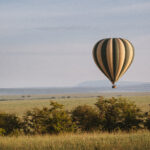
| Balloon safaris | Available ($599–$699) | Available ($450–$550) |
| Best migration time | Dec–Jul (south to north) | Jul–Oct (northern Mara) |
| Big Five | All present | All present (rhinos rare) |
| Crowd levels | Lower (vast area) | Higher (smaller reserve) |
| Nearest airport | Kilimanjaro (JRO) / Arusha | Nairobi (NBO) |
| Overall cost | Moderate to high | High to very high |
Size and Scale: Serengeti Wins Decisively
What this means in practice: in the Serengeti, you can drive for hours without seeing another vehicle. In the Maasai Mara National Reserve during peak season, vehicle congestion at popular sightings particularly river crossings can be significant. Dozens of vehicles at a single crossing is not unusual.
The Maasai Mara’s private conservancies (Olare Motorogi, Ol Kinyei, Mara North) partially solve this problem by limiting vehicle numbers — but at a substantial cost premium.

Wildlife: Which Has Better Game Viewing?


The Serengeti Advantage
The Serengeti’s sheer size means wildlife is more dispersed and natural in its behaviour. Big cat sightings particularly cheetah and lion are excellent, and the central Seronera Valley has some of Africa’s best leopard viewing. The Serengeti also hosts more diverse habitat: open plains, kopjes (granite outcrops), riverine forest, and acacia woodland.
Critically, the Serengeti holds the entire migration circuit for most of the year. The calving season (January–February) in the southern Serengeti is one of the most underrated wildlife events in Africa predator density during calving is extraordinary.
The Maasai Mara Advantage
The Mara is smaller but highly concentrated. Wildlife density in the reserve is among the highest in Africa year-round including outside migration season. The resident lion prides are well-habituated and regularly studied (the Marsh Pride, made famous by the BBC’s Big Cat Diary, lives here).
Off-road driving in the Mara’s private conservancies allows guides to follow animals through thickets and tall grass something strictly prohibited in the Serengeti. This is a genuine advantage for predator tracking and photography.
Black Rhinos: Serengeti Has More
Rhinos are rare in both destinations, but Tanzania has made significant conservation progress. The Ngorongoro Crater easily combined with a Serengeti safari has one of Africa’s best populations of critically endangered black rhinos (approximately 30 individuals). The Maasai Mara’s rhino population is much smaller and harder to find.
The Great Migration: Which Side Is Better?
The migration moves constantly, so the answer depends entirely on when you travel:
| Month | Where the Herds Are | Best Destination |
| January – March | Southern Serengeti (calving) | Serengeti |
| April – May | Central/Western Serengeti (long rains) | Serengeti |
| June – July | Western Corridor, moving north | Serengeti |
| August – October | Northern Serengeti & Maasai Mara | Either — both excellent |
| November – December | Moving south through Serengeti | Serengeti |

Cost Comparison: Serengeti Is Cheaper Overall
Tanzania’s TANAPA charges $82 per adult per day for Serengeti entry. Kenya’s Maasai Mara National Reserve charges $200 per adult per day during peak season (July–October), dropping to $80 in low season. For a 5-day trip, that’s a $600 per person difference in park fees alone during peak season.
Accommodation
Both destinations range from budget camping to ultra-luxury. At comparable quality levels, the Serengeti tends to be 15–25% more affordable than the Maasai Mara, partly because Tanzania’s market is more price-competitive and partly because the Mara’s smaller footprint gives premium camps more pricing power.
The Private Conservancy Premium (Kenya)
Access to Kenya’s private conservancies where off-road driving and night drives are permitted adds a significant cost. Conservancy fees on top of Mara Reserve fees can add $50–$100 per person per day. Premium conservancy camps charge $800–$1,500+ per person per night.

Regulations: A Key Practical Difference
In Tanzania’s national parks, off-road driving is strictly prohibited. All game drives must stay on established tracks. This protects the ecosystem but can be frustrating when an animal is 50 metres off the road in tall grass.
Kenya’s private conservancies permit off-road driving, allowing guides to follow animals through vegetation. This is a genuine advantage for close-up wildlife encounters and photography.
Night Game Drives
Night drives are not permitted in Tanzania’s national parks, including the Serengeti. After dusk, all vehicles must return to camp.
Kenya’s private conservancies permit night drives with spotlights, opening up nocturnal species serval, aardvark, bushbaby, and hunting leopards that Tanzania park rules exclude.


Beyond Serengeti vs Maasai Mara: Expanding Your Safari

While Serengeti National Park and Maasai Mara National Reserve dominate safari itineraries, focusing only on them means missing East Africa’s full diversity. Just outside Arusha, Tarangire National Park offers a quieter experience with large elephant herds and iconic baobabs. For a more remote adventure, Ruaha National Park delivers wild landscapes and exceptional lion sightings. Meanwhile, Ngorongoro Crater provides one of the best chances to see the Big Five in a single day within its unique volcanic setting.
Which Should You Choose Serengeti vs Maasai Mara ?
Choose Serengeti If:
- You want more space, fewer vehicles, and a wilder feeling
- You’re visiting outside August–October
- Budget is a consideration (lower park fees, more options)
- You want calving season (Jan–Feb) predator viewing
- You plan to combine with Ngorongoro Crater, Tarangire, or Zanzibar
- You prefer a longer itinerary with more geographic variety
Choose Maasai Mara If:
- You’re visiting August–October and want off-road access at river crossings
- Night game drives and walking safaris are a priority
- You’re combining with a Kenya itinerary (Amboseli, Samburu, etc.)
- A smaller, more intimate reserve appeals more than vast open plains
Do Both If:
- You have 10+ days and want to see both sides of the ecosystem
- You’re a serious photographer wanting maximum flexibility
- Budget allows for two separate international-standard safari experiences
Frequently Asked Questions Serengeti vs Maasai Mara
Is the Serengeti or Maasai Mara better for the Great Migration?
For most of the year (November through July), the migration is in the Serengeti making Tanzania the better choice. During August–October, both are excellent, but Kenya’s private conservancies offer off-road driving and night drives that give a slight edge to the Mara for photographers during this window.
Which is more expensive, Serengeti or Maasai Mara?
The Maasai Mara is generally more expensive, particularly during peak season when park entry fees reach $200 per adult per day versus Tanzania’s $82. At comparable accommodation quality, the Mara commands a 15–25% premium overall.
Can you do both Serengeti and Maasai Mara in one trip?
Yes this is increasingly popular. The simplest approach is flying from Kilimanjaro (Tanzania) to Nairobi (Kenya) mid-trip, connecting your Serengeti and Mara stays. A 10–14 day itinerary covering both is very doable. Visa requirements: you need both a Tanzania visa and a Kenya visa.
Which has more leopards?
The Serengeti’s Seronera Valley is widely regarded as one of the best places in Africa for leopard sightings, due to the density of riverine fig trees where leopards rest and stash kills. The Maasai Mara also has excellent leopard viewing, particularly in the Mara Triangle.
Is Serengeti safe to visit?
Yes Tanzania is one of the safest destinations in Africa for tourists. Crime targeting safari visitors is extremely rare. The main health considerations are malaria (take prophylaxis) and yellow fever (vaccination recommended). Standard safari precautions apply.
📣 Ready to Experience the Serengeti or Maasai Mara?
Our East Africa safari specialists design itineraries covering both sides of this legendary ecosystem. Tell us your travel dates and priorities — we’ll match you with the right destination, the right camps, and the right timing.
→ Get Your Free East Africa Safari Quote
Discover why travelers love Forever Nature Safaris in Arusha. Check out their glowing reviews and plan your unforgettable safari today:
Read Reviews & Book Your Safari