Every Tanzania safari traveler eventually faces this question. Two of Africa’s most iconic destinations, separated by 180km of highland road, each offering something the other cannot. Which first?
The short answer: visit both, every time, in the right order. But that answer deserves explanation – because understanding what makes each park extraordinary, and how they complement each other, is the foundation of a great northern Tanzania itinerary.
This guide breaks down the real differences between the Serengeti and Ngorongoro Crater, explains which Forever Nature Safaris packages cover both, and tells you exactly which order delivers the best overall experience.
Serengeti vs Ngorongoro: The Core Difference
The Serengeti and Ngorongoro are fundamentally different types of safari experience – not just different parks. Understanding this distinction helps you appreciate why seeing only one means missing half the story.
| Factor | Serengeti National Park | Ngorongoro Crater |
| Size | 14,763 km2 – vast open ecosystem | 260 km2 crater floor – enclosed |
| Wildlife pattern | Seasonal migration – animals move | Year-round residents – 25,000 animals always present |
| Landscape | Open plains, kopjes, riverine forest, woodland | Grassland, swamp, lake, escarpment forest |
| Signature wildlife | Great Migration, lion prides, cheetah | Black rhino, dense lion, enormous buffalo herds |
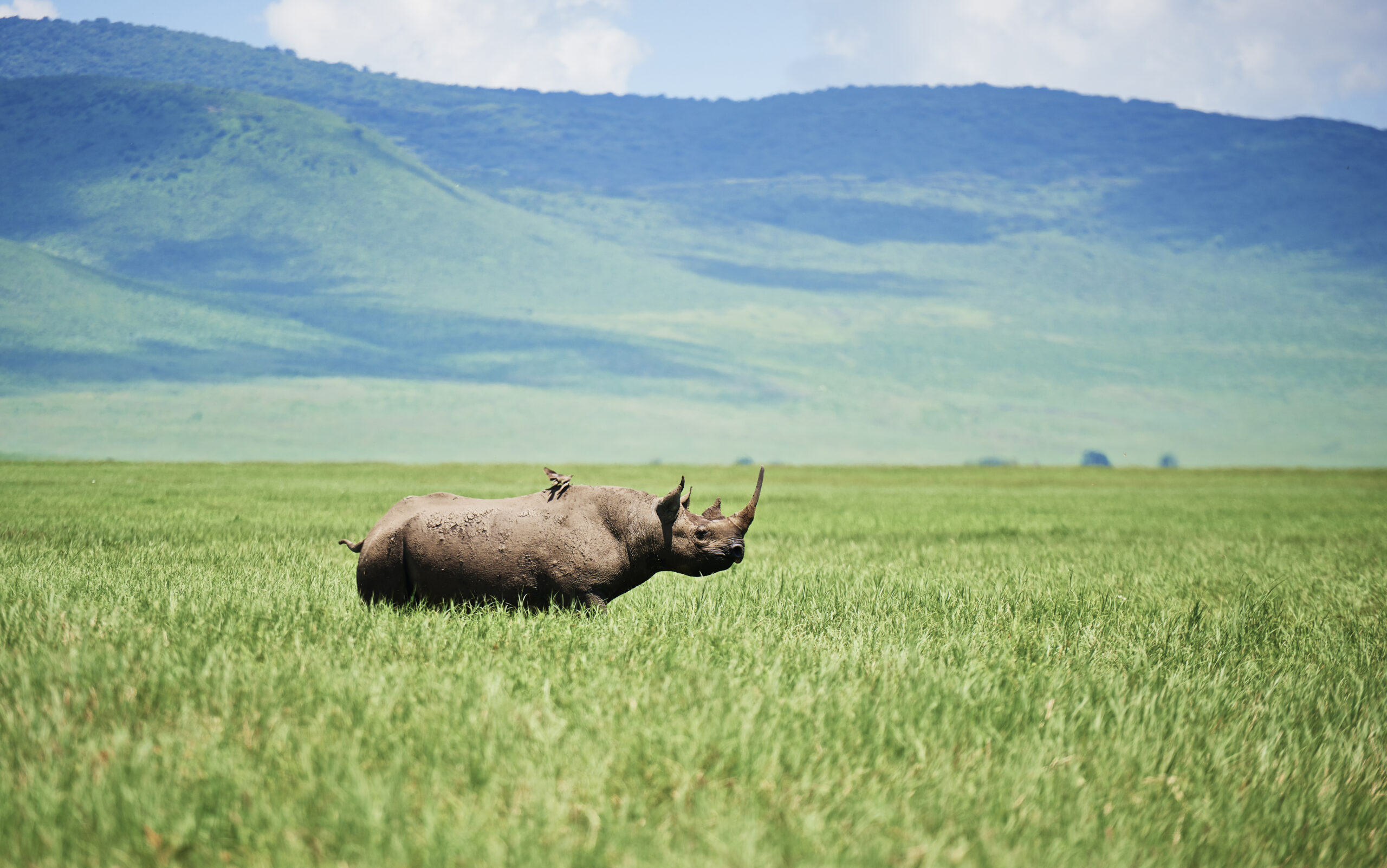
| Black rhino | Very rare – almost never seen | 26-30 individuals – 60-70% sighting probability |
| Crowds | Variable – less crowded in outer zones | More concentrated – peak season can be busy |
| Game drive style | Covering ground – following wildlife | Circuit – multiple habitat zones in one day |
| Time recommended | 2-4 nights minimum | 1-2 full days (crater descent each day) |
| Park entry fee | $82/person/day | $82/person/day + $295.60 crater fee/vehicle |
| Best season | Year-round; peak dry June-Oct | Year-round – wildlife never leaves |
| Scale of experience | Vast, wild, open | Intimate, contained, extraordinary density |
What the Serengeti Gives You That Ngorongoro Cannot
Scale and Freedom
The Serengeti is 14,763 square kilometres. You can drive for an hour in any direction and feel genuinely alone in the wilderness. The landscape shifts – from short-grass plains in the south to kopje-dotted savannas in the centre, from riverine forest along the Seronera to the hilly terrain of the north.
This scale is the Serengeti’s defining quality. You are not in an enclosure watching animals perform. You are inside a wild ecosystem that operates completely on its own terms, indifferent to your presence.
The Great Migration
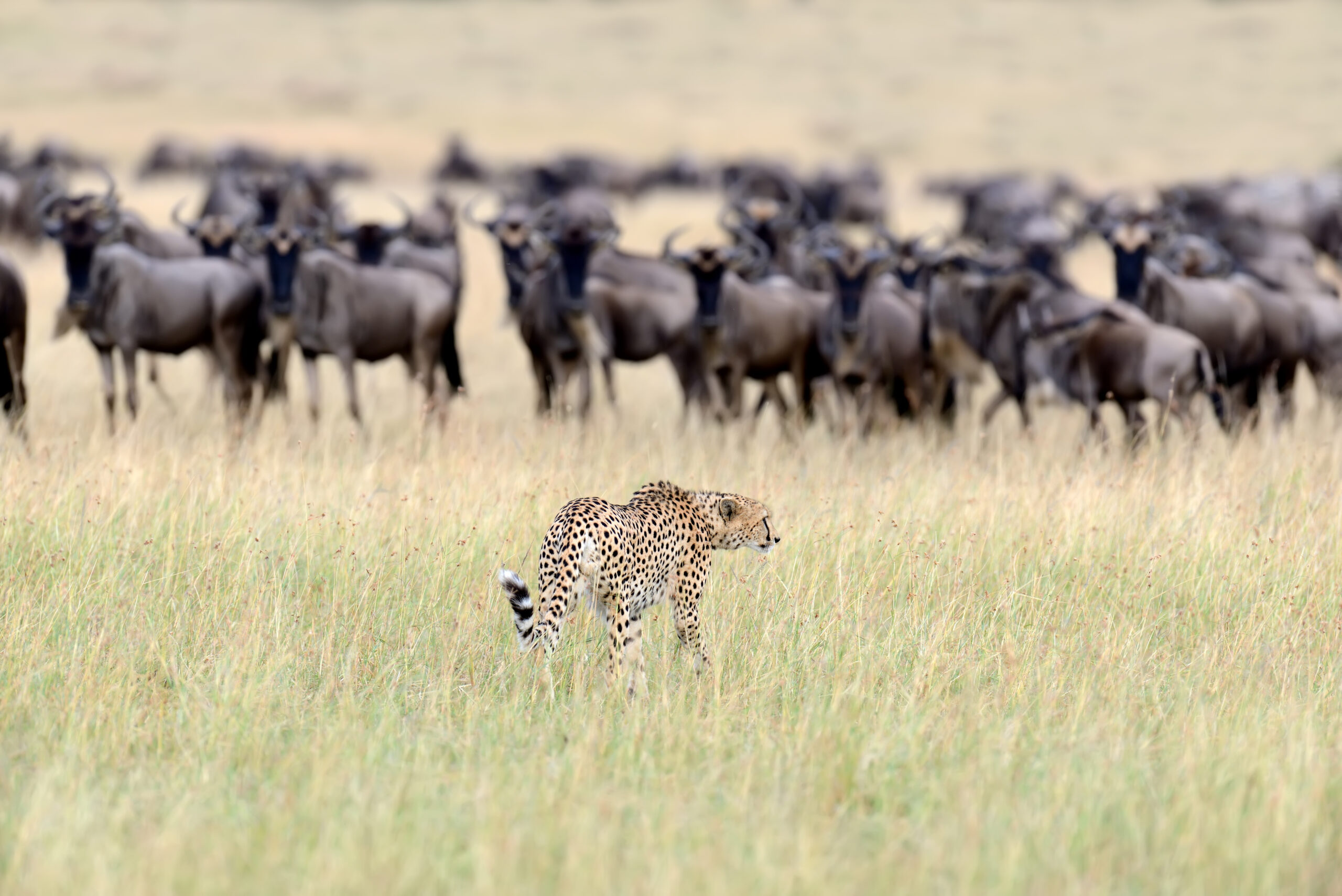
The Great Migration – 1.5 million wildebeest and 250,000 zebra moving in a continuous annual circuit – happens in the Serengeti for 10-11 months of the year. The Ngorongoro Crater has no migration. If witnessing the migration is your primary goal, the Serengeti is essential.
Leopard Viewing
The Seronera Valley in central Serengeti is one of Africa’s finest leopard habitats. The riverine fig trees along the Seronera River hold resident leopards that have been studied for decades. Leopard sightings in Ngorongoro Crater are possible but significantly less frequent.
Cheetah
The open Serengeti plains are ideal for cheetah hunting – visible from hundreds of metres in the short grass. The crater has cheetahs but in lower numbers and less open terrain. For cheetah watching, the Serengeti wins.
What Ngorongoro Gives You That the Serengeti Cannot
Black Rhino
This is Ngorongoro’s most compelling exclusive. With fewer than 6,000 black rhinos remaining in Africa, the crater’s 26-30 individuals represent one of the last reliable viewing populations in East Africa. In the Serengeti, black rhino sightings are extraordinarily rare – perhaps a handful per year. In Ngorongoro, a good guide with morning timing gives you a 60-70% probability on any single crater descent.
If black rhino is on your bucket list, Ngorongoro is non-negotiable.
Wildlife Density
The Ngorongoro Crater concentrates 25,000 large mammals in 260 square kilometres. The steep caldera walls act as a natural enclosure – animals do not seasonally disperse outside. Buffalo herds of 400-600 animals, 60-70 resident lions, massive hippo pods, and flamingo colonies on Lake Magadi are all present year-round.
On any given day in the crater, you will see more animals per hour of game driving than almost anywhere else in Africa.
Geological Spectacle
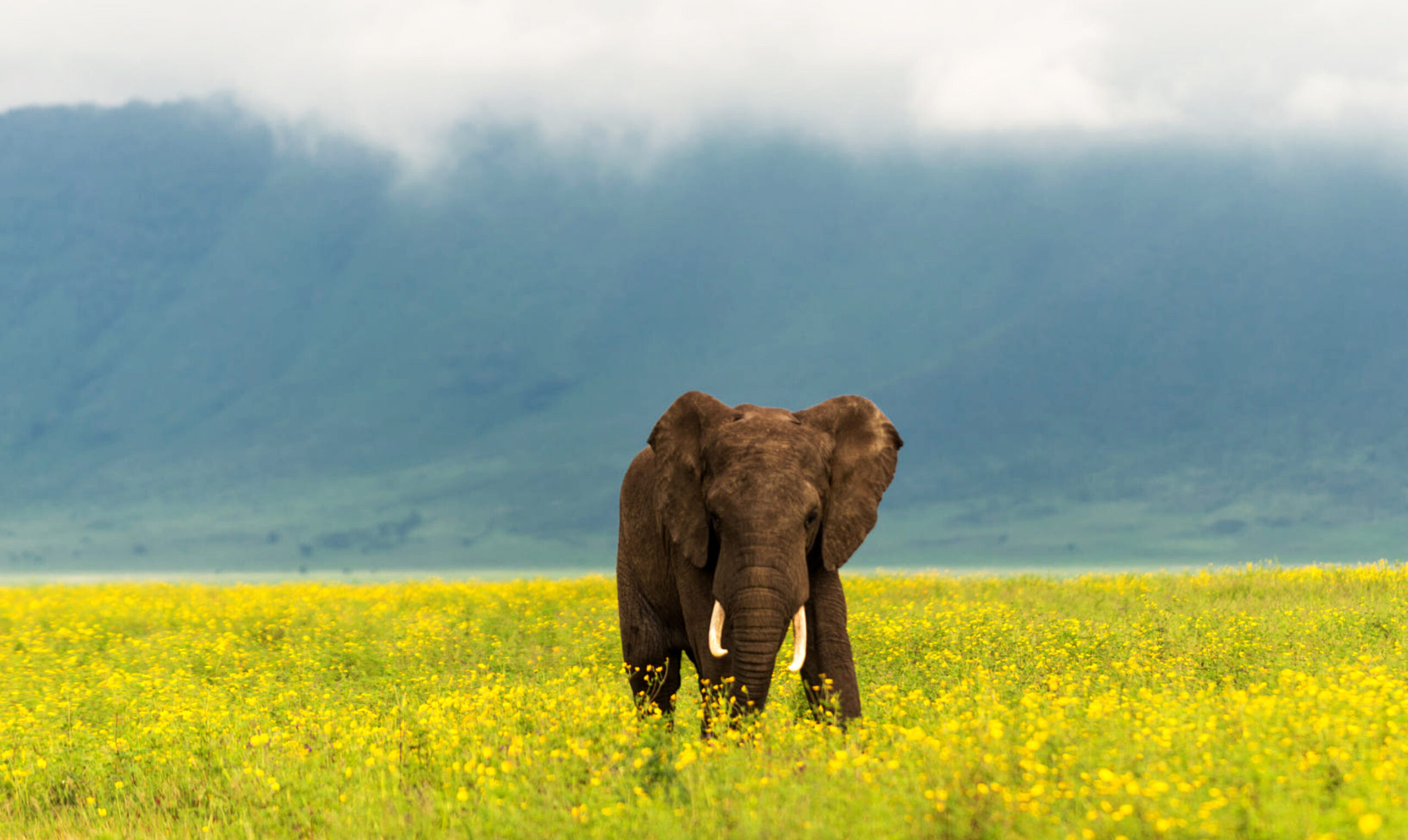
The Ngorongoro Crater is the world’s largest intact volcanic caldera. Descending 600 metres from the rim into a 260-square-kilometre natural enclosure that formed 2.5 million years ago is an experience that exists nowhere else. The Serengeti has extraordinary landscapes – but nothing with the geological drama of the crater descent.
Which Should You Visit First? The Recommended Order
Based on routing, wildlife logic, and years of northern Tanzania safari experience, the standard recommended order is:
RECOMMENDED ORDER: Tarangire – Ngorongoro – Serengeti. This sequence builds from enclosed to open, from certainty to discovery, and ends with the Serengeti’s vastness as the emotional crescendo of your safari.
Why This Order Works
- Tarangire first: Elephants and baobabs as your safari introduction – dramatic, accessible, deeply satisfying
- Ngorongoro second: The crater’s contained drama and black rhino search – a complete wildlife day in one geological bowl
- Serengeti last: The vast open ecosystem, the migration, the scale – a powerful final chapter that expands everything you’ve seen
The alternative order – Serengeti first, then Ngorongoro – works logistically but often feels anticlimactic. After the Serengeti’s openness, the crater can feel contained. After the crater’s density, the Serengeti’s space feels liberating. End with liberation.
Forever Nature Safaris Packages Covering Both Parks
Option 1: 3-Day Midrange Safari to Tarangire and Ngorongoro Crater
🔗 Book this package: https://forevernaturesafaris.com/3-day-midrange-safari-to-tarangire-ngorongoro-crater/
The fastest way to experience both Tarangire and Ngorongoro in a single focused itinerary. Three days, two parks, private vehicle throughout. Does not include the Serengeti – ideal as an add-on to Zanzibar or for very short trips.
| Day | Location | Highlight |
| Day 1 | Arusha – Tarangire NP | Elephant herds 200+, baobab zone, afternoon drives |
| Day 2 | Tarangire – Ngorongoro rim | Morning Tarangire, scenic rim arrival afternoon |
| Day 3 | Ngorongoro Crater – Arusha | 6 AM descent, full crater day, black rhino search, return |
| Group Size | 2 People | 3 People | 4 People | 5 People | 6 People |
| Price per person (USD) | $900 | $850 | $800 | $750 | $700 |
Option 2: 6-Day Forever Nature Comfort Safari
🔗 Book this package: https://forevernaturesafaris.com/6-days-private-forever-nature-comfort-safari/
Six days covering Tarangire, two nights in the Serengeti, and Ngorongoro Crater – the optimal balance for travelers wanting proper time in each park without the full 7-day Northern Circuit. The extra Serengeti night over the 5-day version significantly improves big cat sighting probability.
- Parks: Tarangire + Serengeti (2 nights) + Ngorongoro Crater
- 6 days: Enough time for the three essential parks without rushing
- Private vehicle and guide throughout
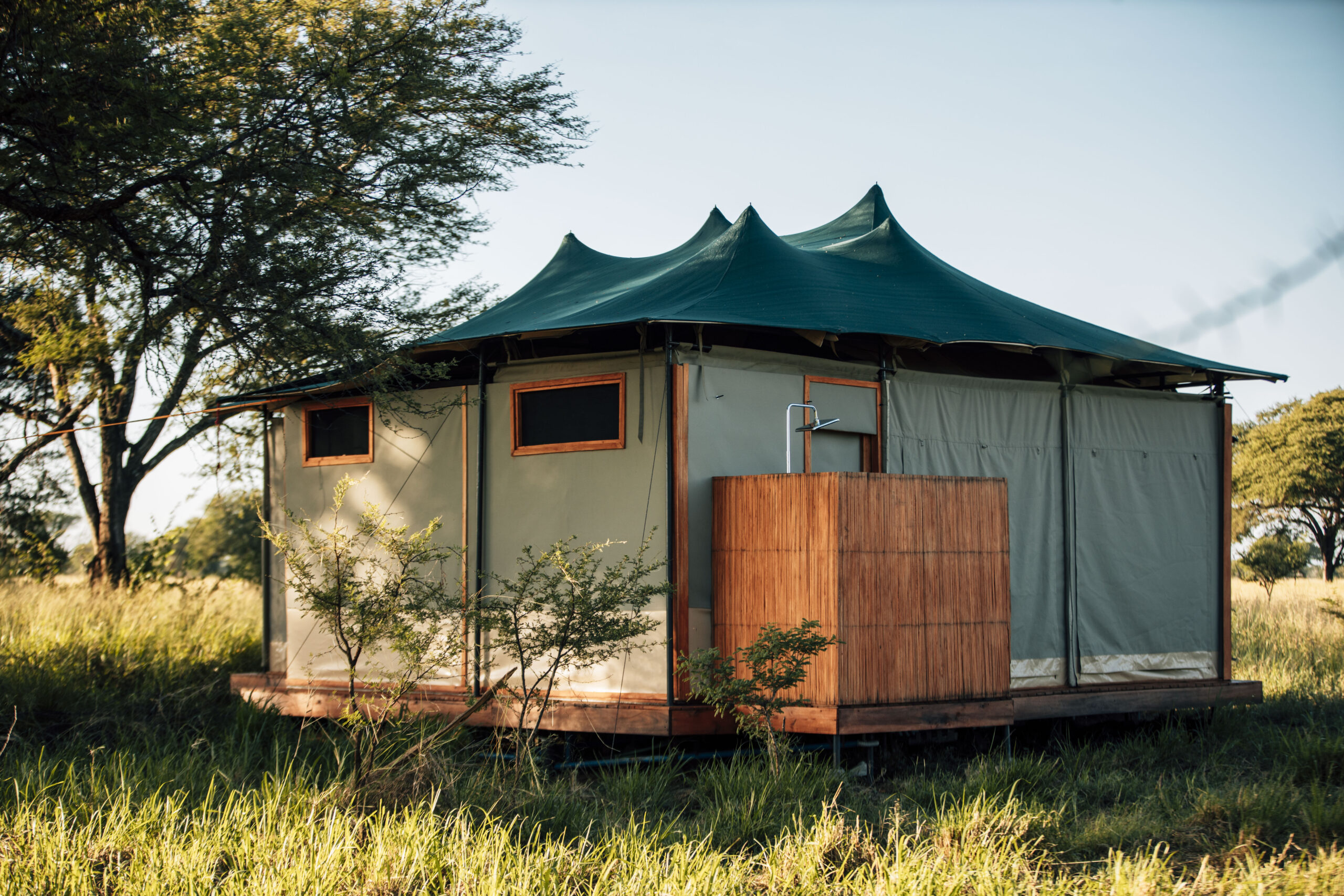
- Mid-range lodges and tented camps full board
Option 3: 7-Day Northern Circuit Classic Safari
🔗 Book this package: https://forevernaturesafaris.com/7-day-northern-circuit-classic-safari/
The gold standard – seven days covering all four flagship northern parks including Lake Manyara alongside Tarangire, Serengeti, and Ngorongoro. This is the package that most repeat Tanzania visitors wish they had booked on their first trip.
- Parks: Tarangire + Lake Manyara + Serengeti + Ngorongoro Crater
- Lake Manyara addition: Tree-climbing lions found nowhere else in Tanzania
- 7 days: Right length for proper depth in every park
- Best for: First-time Tanzania visitors who want the complete northern experience
| Group Size | 2 People | 3 People | 4 People | 5 People | 6 People |
| Approx. Price per person | ~$950-1,100 | ~$850-950 | ~$780-880 | ~$740-840 | ~$700-800 |
Can You Do One Without the Other?
Serengeti Only – Is It Worth It?
Yes – the Serengeti alone is extraordinary and fully justifies a Tanzania trip. But you will notice the absence of Ngorongoro when other travelers in your group return from the crater with black rhino photos. The Serengeti alone makes for an excellent safari. Both together makes for an unforgettable one.
Ngorongoro Only – Is It Worth It?
Ngorongoro Crater alone is extraordinary – wildlife density, geological spectacle, and black rhino are all world-class. But the Serengeti’s scale, the migration, and the vast open ecosystem offer experiences the crater simply cannot replicate. Both together is always the right answer when time allows.
Ready to Plan Serengeti and Ngorongoro the Right Way?
The best safari is not just about visiting famous parks it is about visiting them in the right order, with the right timing and guide.
👉 WhatsApp: +255 778 823 947
👉 Email: info@forevernaturesafaris.com
👉 TripAdvisor: https://www.tripadvisor.com/
👉 LinkedIn: https://www.linkedin.com/in/oshua-munuo/
Frequently Asked Questions
FAQ 1: Should I visit the Serengeti or Ngorongoro Crater first?
The recommended order is Ngorongoro Crater before the Serengeti. This builds from the crater’s contained wildlife density to the Serengeti’s vast open ecosystem – ending your safari with the most dramatic scale. Routing through Ngorongoro en route to the Serengeti also makes geographical sense from Arusha.
FAQ 2: What is the difference between Serengeti and Ngorongoro?
The Serengeti is a vast 14,763 km2 open ecosystem where wildlife moves seasonally with the Great Migration. Ngorongoro is a 260 km2 volcanic caldera where 25,000 large mammals live year-round in a natural enclosure. The Serengeti excels for migration, cheetah, and leopard. Ngorongoro excels for black rhino, wildlife density, and geological spectacle.
FAQ 3: Can you see the Big Five in both Serengeti and Ngorongoro?
Yes – both parks contain all Big Five. However, black rhino is significantly more reliably seen in Ngorongoro Crater (60-70% probability with good guide) than in the Serengeti (very rare). Leopard is more reliably seen in the Serengeti Seronera Valley. Both parks have excellent lion, elephant, and buffalo sightings.
FAQ 4: How many days do you need for Serengeti and Ngorongoro?
A minimum of 5 days covers Tarangire, Serengeti (1 night), and Ngorongoro Crater. For a proper experience, 6-7 days is recommended – allowing 2 nights in the Serengeti and a full crater descent day in Ngorongoro. The 7-Day Northern Circuit Classic Safari from Forever Nature Safaris is the gold standard for covering both parks properly.
FAQ 5: Is Ngorongoro Crater worth the expensive crater fee?
Yes – for most visitors. The $295.60 crater service fee per vehicle is the most-complained-about cost in Tanzania, but the crater delivers: 25,000 resident animals in 260 km2, one of Africa’s best black rhino viewing populations, and a geological setting that exists nowhere else on Earth. On a per-hour wildlife viewing cost basis, Ngorongoro is actually excellent value.