Tanzania hidden parks are among the most remarkable yet overlooked safari destinations, officially protected and managed by the Tanzania National Parks Authority (TANAPA). While Tanzania is famous worldwide for iconic locations like the Serengeti and the Ngorongoro Crater, these well-known destinations represent only a small part of the country’s vast natural heritage.
Across the country, Tanzania is home to more than 22 national parks and game reserves, many of which remain largely unexplored by international visitors. While most travelers focus on just a few northern parks, there are still thousands of square kilometres of untouched wilderness waiting to be discovered.
In these lesser-known areas, the experience is entirely different. There are no crowds at sightings, no long lines of safari vehicles, and no pressure of mass tourism. Instead, you experience Africa in its purest form just you, your guide, and the wild.
So the real question is not whether Tanzania hidden parks exist they clearly do. The real question is: are they truly worth visiting?
After years of guiding safaris across Tanzania, here is our honest answer.
Why Most Tourists Skip Tanzania’s Hidden Parks.
Before we dive in, it’s important to understand why these parks get overlooked. It’s not because they’re inferior. It’s because of three things:
1. Marketing Tour operators promote what sells easily. Serengeti sells itself. Lesser-known parks require explanation.
2. Logistics Some hidden parks require longer drives, chartered flights, or more careful planning.
3. Uncertainty Travelers worry. “What if I go somewhere unknown and see nothing?”
All three concerns are understandable. But all three can be solved with the right guide and the right planning.
Tanzania’s Hidden Parks Honest Reviews
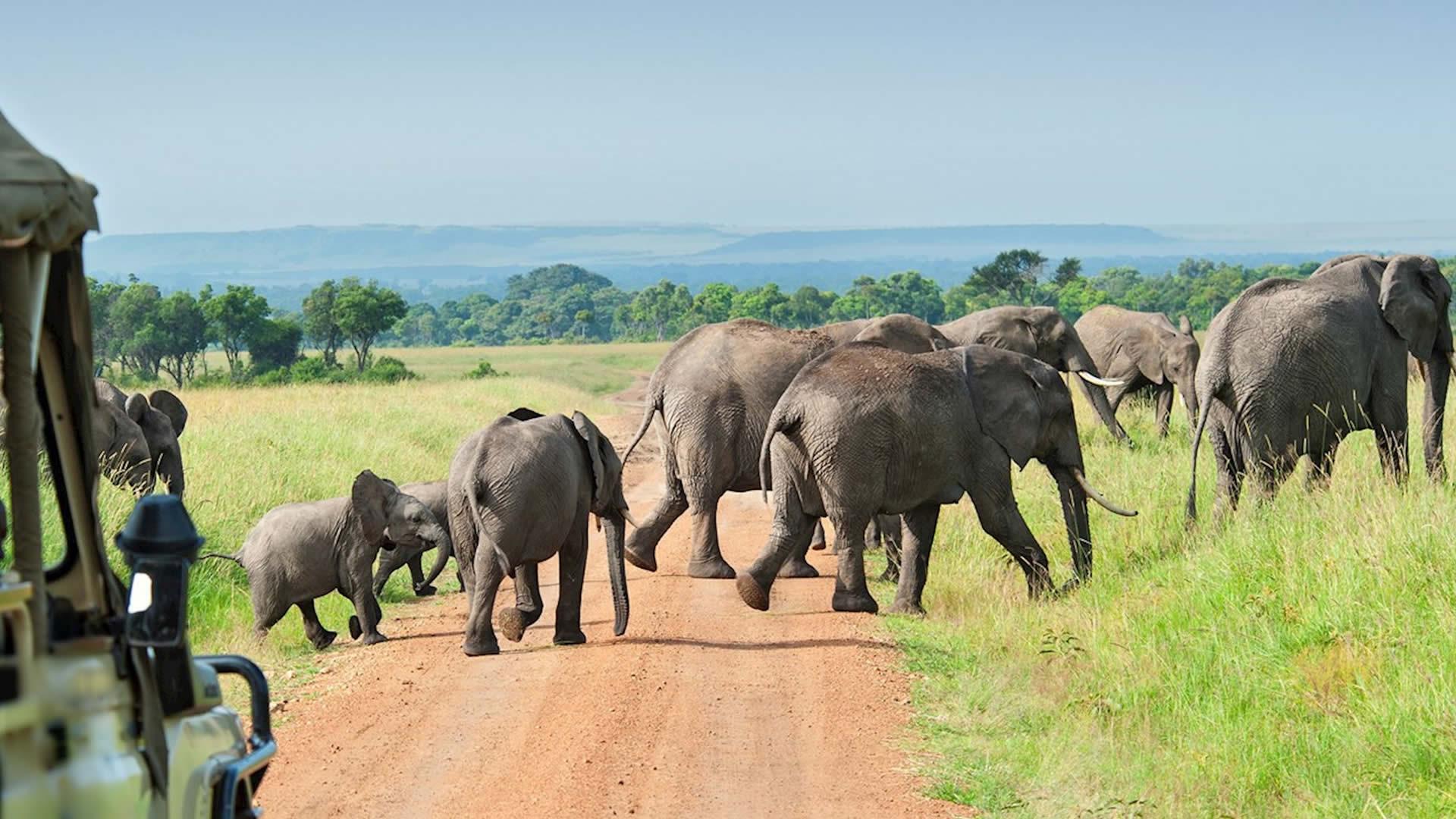
Ruaha National Park. Tanzania’s Largest & Most Underrated Park
Located in central Tanzania, it covers over 20,000 square kilometres — yet receives a fraction of Serengeti’s visitors.
What you’ll see:
∙ One of Africa’s largest elephant populations — herds of 200+ are common
∙ Lions, leopards, cheetahs and wild dogs
∙ Over 570 bird species
∙ The dramatic Great Ruaha River teeming with hippos and crocodiles
The honest truth: Ruaha is raw and wild in a way that Serengeti no longer is. The landscape is dramatic — baobab trees, rocky escarpments, open bush. It feels like old Africa.
Who it’s perfect for: Serious wildlife lovers who want an authentic experience without another safari vehicle in sight.
Who should skip it: First-time safari visitors who want guaranteed big cat sightings in open plains.
Best time to visit: June to October — dry season when animals gather at the river.
Katavi National Park. The Most Remote Safari in Tanzania
The Most Remote Safari In Tanzania
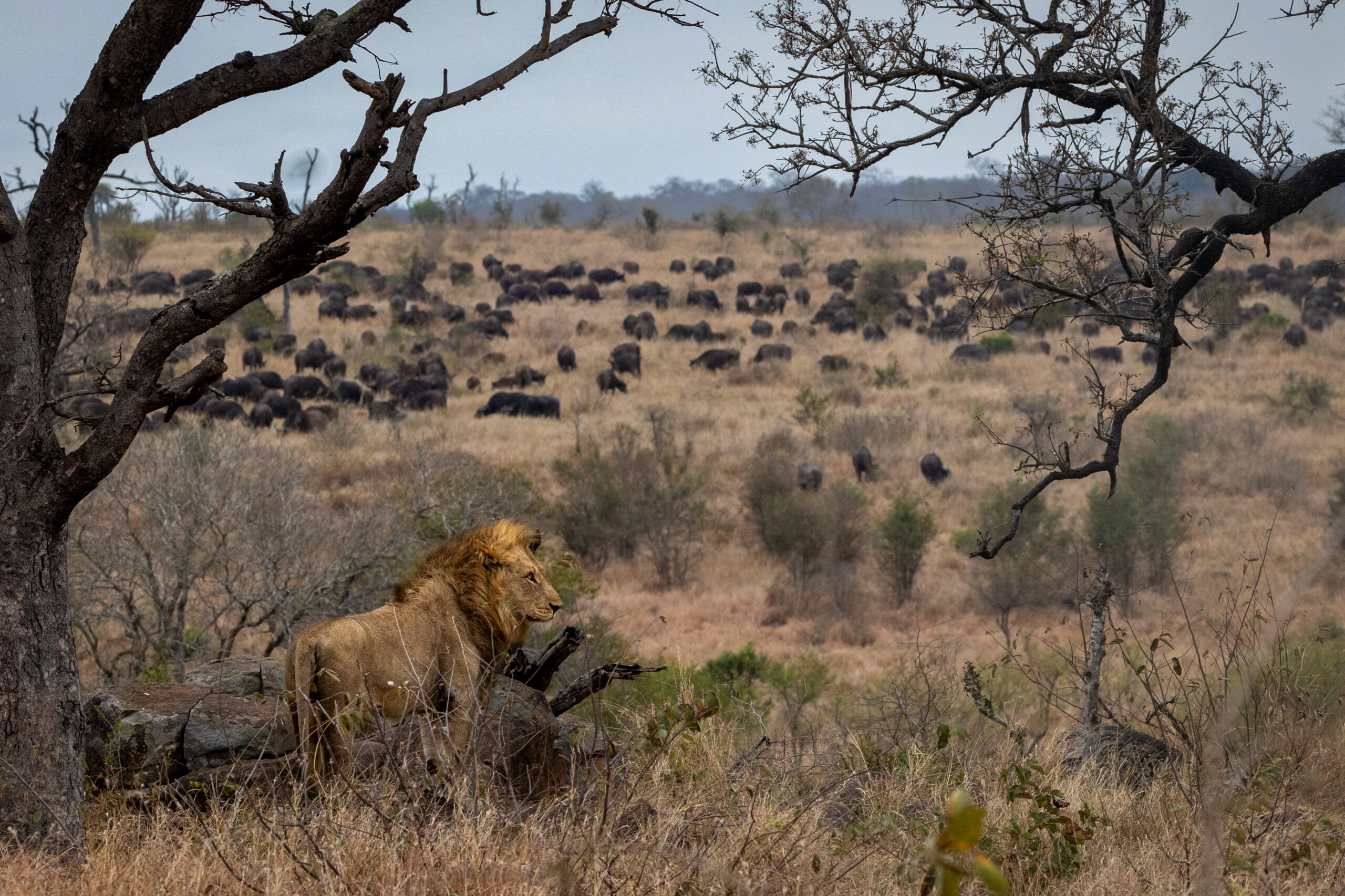
Katavi is not for everyone. It sits in western Tanzania, far from the tourist trail, accessible mainly by small charter plane. Some weeks it receives fewer than 50 visitors total.
But those 50 visitors experience something truly extraordinary.
What you’ll see:
∙ Hippo pools so crowded the animals literally pile on top of each other
∙ Buffalo herds of thousands one of the largest concentrations in Africa
∙ Predator activity that is genuinely intense because prey is so abundant
∙ Zero other tourists
The honest truth: Katavi will test you. Roads are rough. Accommodation is basic by comparison to luxury lodges elsewhere. But the wildlife spectacle especially during dry season is world class.
Who it’s perfect for: Adventurous travelers, photographers, repeat safari visitors who want something completely different.
Who should skip it: Those who need comfortable lodges and easy access.
Best time to visit: July to October for the dramatic hippo and buffalo concentrations.
Mahale Mountains National Park. Walk With Wild Chimpanzees
Where You Can Walk With Wild Chimpanzees
Mahale is one of Tanzania’s best kept secrets and in our opinion one of the most magical experiences in all of Africa.
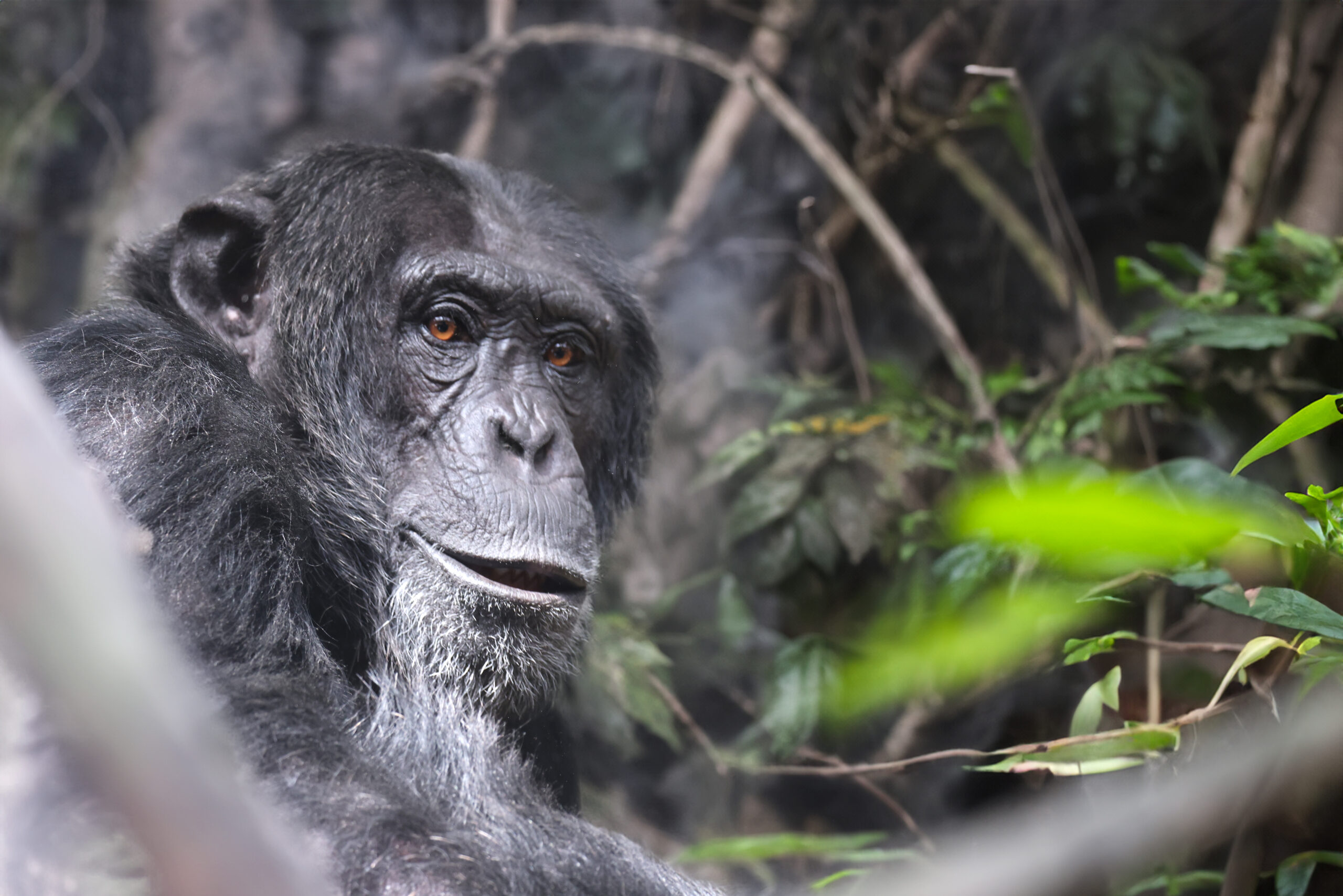
Located on the shores of Lake Tanganyika the world’s second deepest lake Mahale is only accessible by boat. There are no roads in. The park is home to one of the largest known populations of wild chimpanzees, and unlike many places in Africa, here you can actually trek on foot through the forest and sit with them.
What you’ll see:
∙ Wild chimpanzee trekking genuinely life changing
∙ Crystal clear Lake Tanganyika with snorkelling and swimming
∙ Forest elephants, bush pigs, red colobus monkeys
∙ Stunning mountain scenery unlike anywhere else in Tanzania
The honest truth: This is not a traditional game drive safari. It is something entirely different and deeply personal. Guests consistently say it was the highlight of their entire Africa trip.
Who it’s perfect for: Anyone who wants a completely unique experience beyond the classic Big Five safari.
Best time to visit: May to October dry season makes chimp trekking easier.
Selous Game Reserve (Nyerere National Park). Africa’s Largest Protected Area
Africa’s Largest Protected Area
The Selous — now officially renamed Nyerere National Park — is the largest game reserve in Africa. Larger than Switzerland. Yet it remains largely unknown to international tourists.
What you’ll see:
∙ Boat safaris along the Rufiji River — unique in Tanzania
∙ Walking safaris with armed rangers — thrilling and authentic
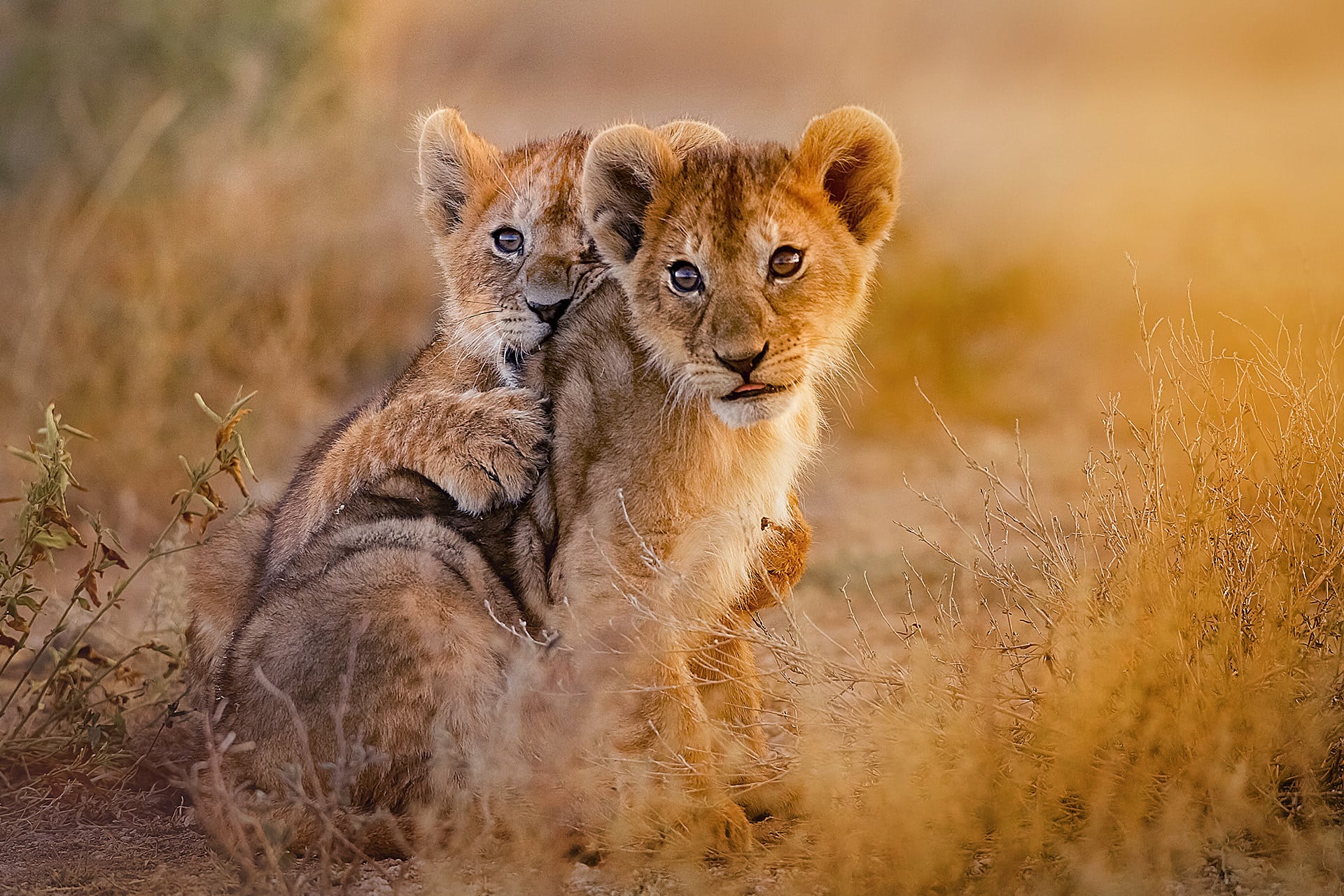
∙ Large lion prides, wild dogs, elephants, hippos
∙ A completely different ecosystem from northern Tanzania
The honest truth: Selous offers safari experiences you simply cannot get in Serengeti. Boat safaris and walking safaris add a completely new dimension. The wildlife density in the northern section is genuinely impressive.
Who it’s perfect for: Travelers who have already done northern Tanzania and want something new, or adventurous first-timers.
Best time to visit: June to October.
Saadani National Park Where the Bush Meets the Beach
The Only Park Where The Bush Meets The Beach
Saadani is completely unique in Africa. It is the only wildlife sanctuary that sits directly on the Indian Ocean coastline. You can genuinely watch elephants walk on the beach.
What you’ll see:
∙ Game drives and beach relaxation combined
∙ Green turtles nesting on the beach
∙ Lions, elephants, giraffes, buffalo
∙ Boat trips along the Wami River with hippos and crocodiles
The honest truth: Wildlife density is lower than Serengeti or Ruaha. You will not see the same volume of animals. But the combination of bush and beach in one location is a genuinely special and rare experience.
Who it’s perfect for: Couples, honeymooners, families wanting to combine safari and beach without long travel between locations.
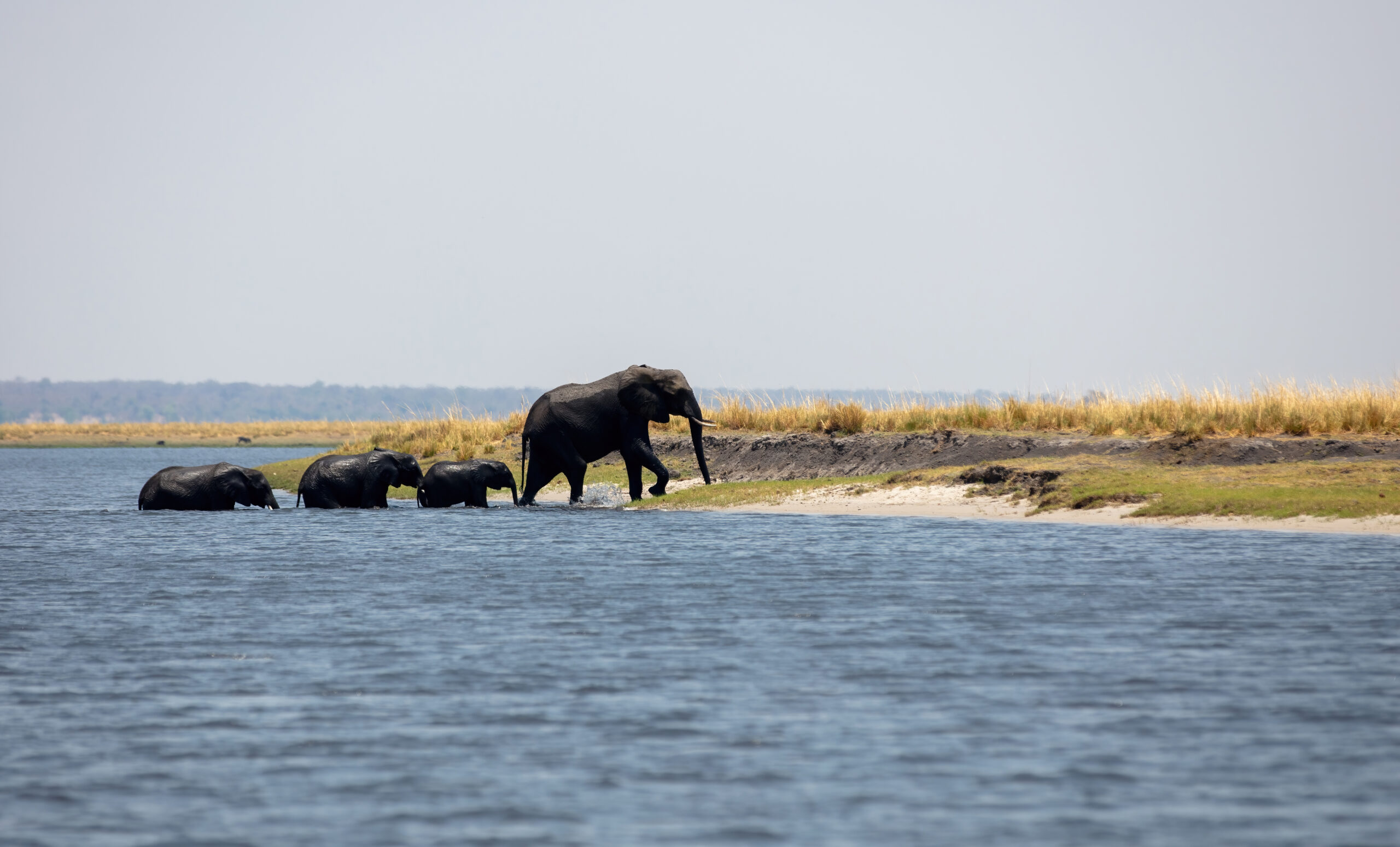
Gombe Stream National Park Home of the Chimpanzees
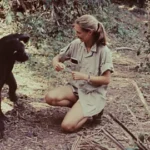
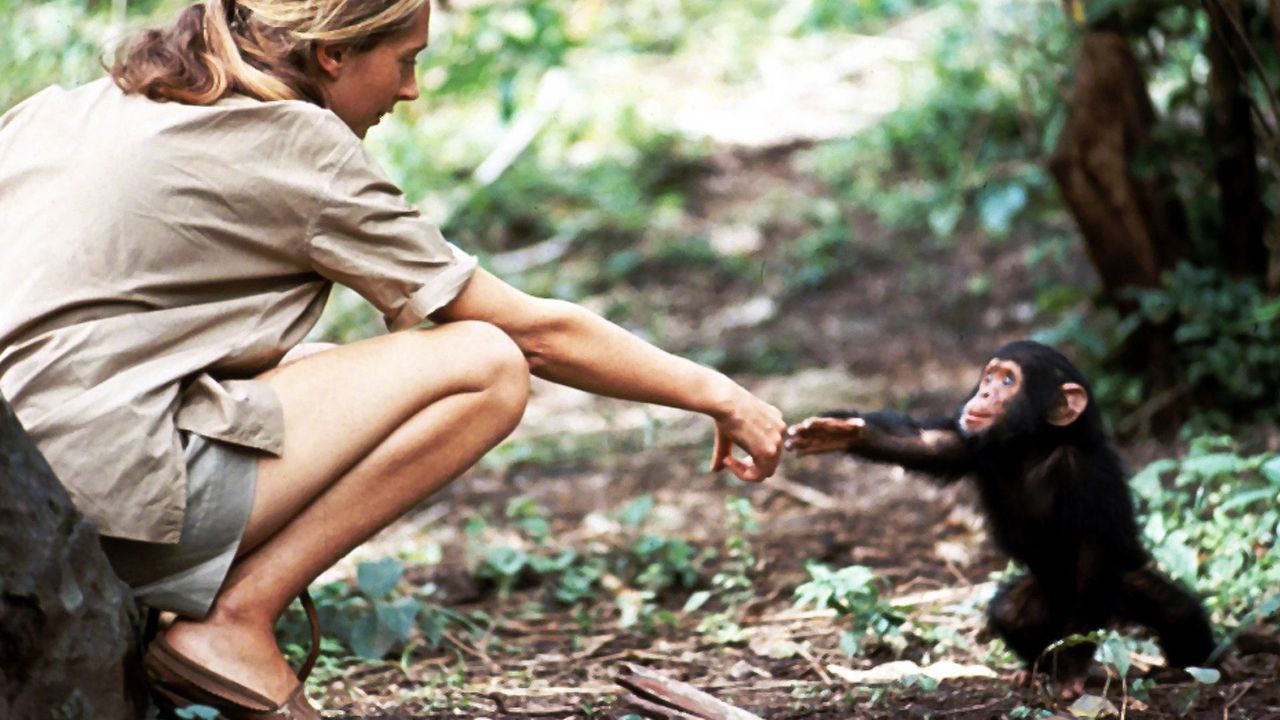
Gombe Stream National Park, located on the western shores of Lake Tanganyika, is one of Tanzania’s most intimate and specialized wildlife destinations. Unlike the vast savannah parks, Gombe is a forested paradise famous for its wild chimpanzees. Jane Goodall made this park world-famous through her pioneering research, and it remains a sanctuary for primates and birds alike.
What you’ll see:
- Wild chimpanzees trekking and interacting naturally in the forest
- Red colobus monkeys, baboons, and other primates
- Beautiful forest trails with endemic birds and butterflies
- Stunning views of Lake Tanganyika
So Are Tanzania’s Hidden Parks Worth Visiting?
Here is our completely honest answer after years in this industry:
Yes. Absolutely yes. But it depends on what you want.
If you want maximum wildlife in minimum time stick to Serengeti and Ngorongoro. They are famous for a reason.
But if you want:
∙ Authentic wilderness with no crowds
∙ Unique experiences you cannot get elsewhere
∙ Stories that nobody else at the dinner party has
∙ A deeper, more personal connection with Africa
Then Tanzania’s hidden parks will give you something the famous parks simply cannot.
The travelers who visit Ruaha, Katavi, Mahale and Selous consistently tell us the same thing:
“I had no idea. This was better than I ever imagined.”
Expert Tips Before You Go
1. Combine parks strategically
Pair a hidden park with a famous one. For example: Serengeti + Ruaha, or Ngorongoro + Selous. You get the best of both worlds.
2. Travel in dry season
Most hidden parks are far more rewarding June to October. Wildlife concentrates around water sources and viewing is exceptional.
3. Use an experienced local guide
Hidden parks reward knowledge. A guide who knows Ruaha or Katavi intimately will show you things a standard operator simply cannot.
4. Don’t rush
Spend at least 3 nights in any hidden park. The first day you arrive. The second day you settle in. The third day that’s when the magic happens.
5. Manage your expectations differently
Hidden parks are not about ticking off the Big Five in 48 hours. They are about immersion, atmosphere, and authentic wilderness. Come with an open mind.
Ready To Explore Tanzania’s Hidden Parks?
At Forever Nature Safaris we specialize in crafting personalized Tanzania safari experiences that go beyond the obvious. Whether you want to trek with chimpanzees in Mahale, witness the hippo spectacle of Katavi, or combine Ruaha with a classic Serengeti migration we design every trip around what matters most to you.
Contact us today for a free personalized safari consultation.
Because the Tanzania most tourists never see is often the Tanzania they never forget.