Tanzania vs South Africa safari is one of the biggest decisions American travelers make when planning their first trip to Africa. Both countries are world-class safari destinations. Both offer unforgettable wildlife, professional lodges, and excellent guides.
But they deliver very different experiences.
Tanzania is about vast wilderness, the Great Migration, the Serengeti, Ngorongoro Crater, and authentic safari scale.
South Africa is about easier logistics, luxury private reserves, off-road sightings, wine country, and convenient combinations with Cape Town.
So which one is better for Americans?
This honest guide compares costs, wildlife, comfort, flight routes, malaria risk, beach options, and overall value so you can choose the right safari for your priorities.
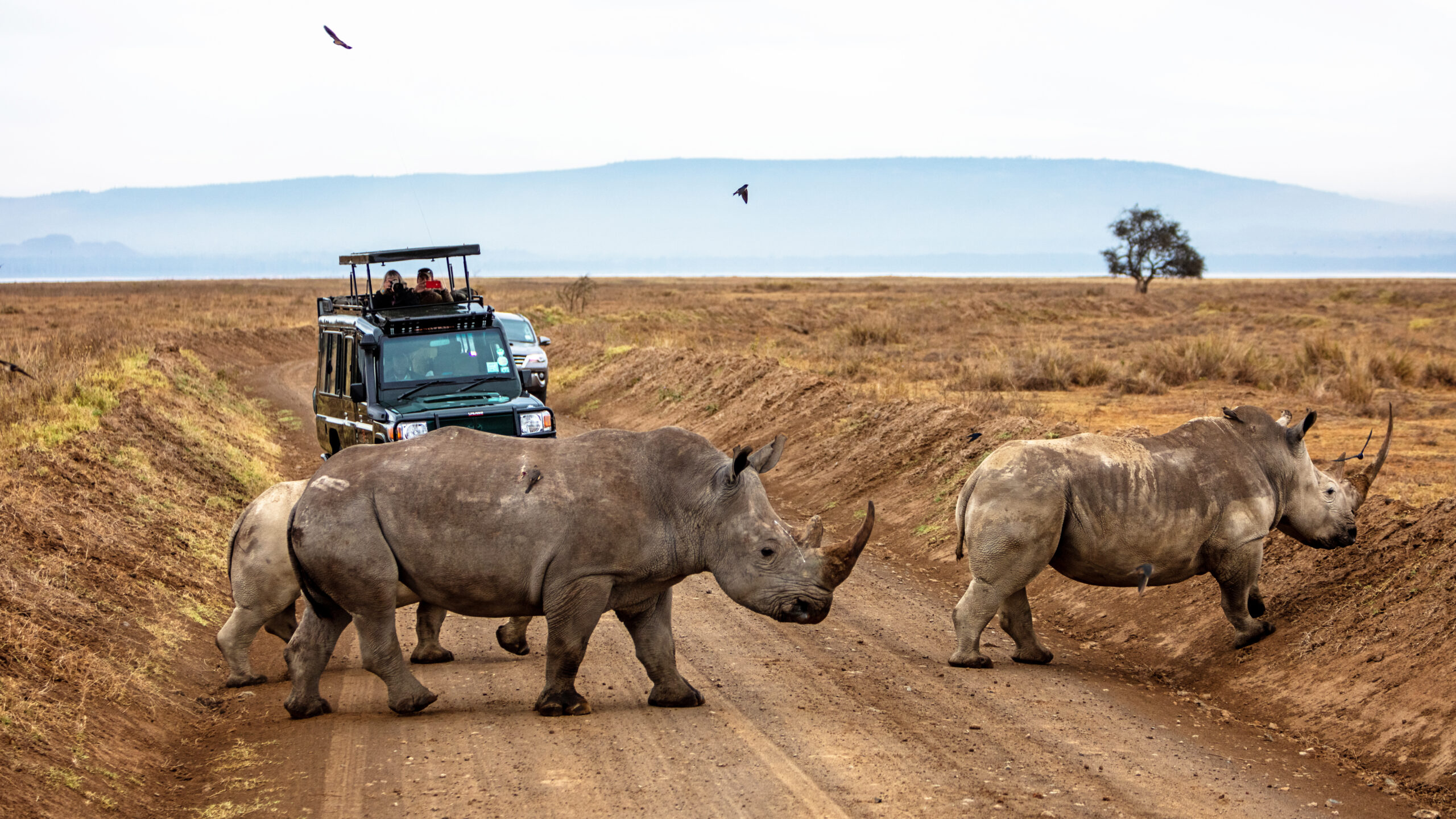
Tanzania vs South Africa Safari: Quick Comparison
| Factor | Tanzania | South Africa |
| Star attraction | Great Migration – 1.5 million wildebeest | Big Five in accessible, malaria-free reserves |
| Best park | Serengeti National Park | Kruger National Park / Private Game Reserves |
| Wildlife scale | Largest wildlife spectacle on Earth | Exceptional Big Five density in Kruger |
| Crowding | Less crowded (vast park system) | Kruger very crowded; private reserves better |
| Off-road driving | Not permitted in national parks | Permitted in most private game reserves |
| Night game drives | Not in national parks | Yes in private reserves |
| Malaria risk | Yes – prophylaxis required for all parks | Yes Kruger; malaria-free areas exist in SA |
| Safari cost | Mid-range: $350-700/day; Luxury: $1,100+ | Mid-range: $400-800/day; Luxury: $1,200+ |
| Flight from USA | ~19-22 hours (JRO via Amsterdam/Doha) | ~18-21 hours (JNB via Atlanta/London/Dubai) |
| Language | Swahili/English | English + Afrikaans |
| Beach extension | Zanzibar – Indian Ocean, 90 min flight | Cape Town – Atlantic/Indian Ocean |
| Cultural richness | Maasai, Hadzabe, Swahili coast | Diverse but less wildlife-adjacent |
| Best for Americans | Great Migration, authentic wilderness, value | Big Five convenience, off-road, wine country |
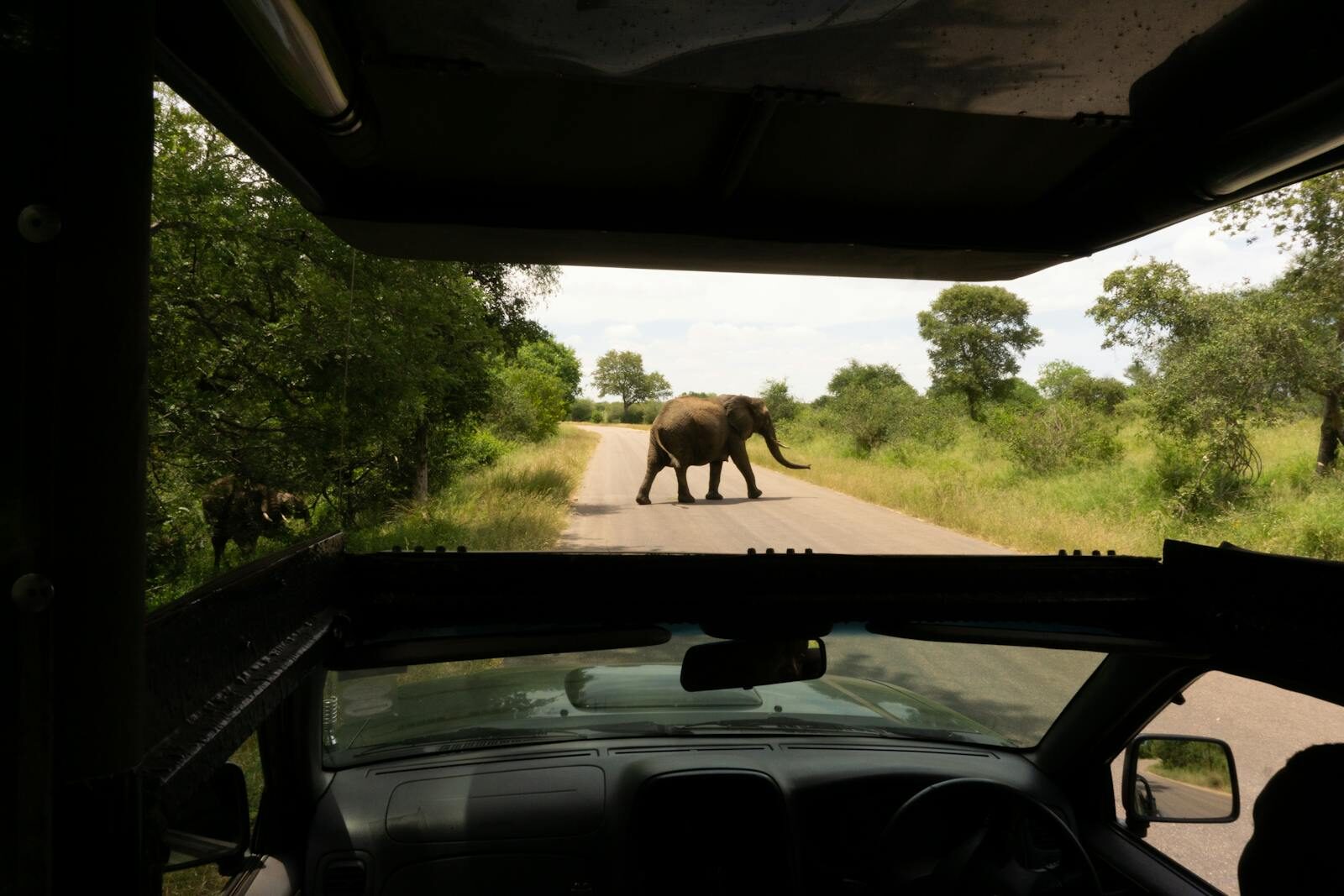
Why Tanzania Wins for Many American Travelers
The Great Migration: Tanzania’s Decisive Advantage
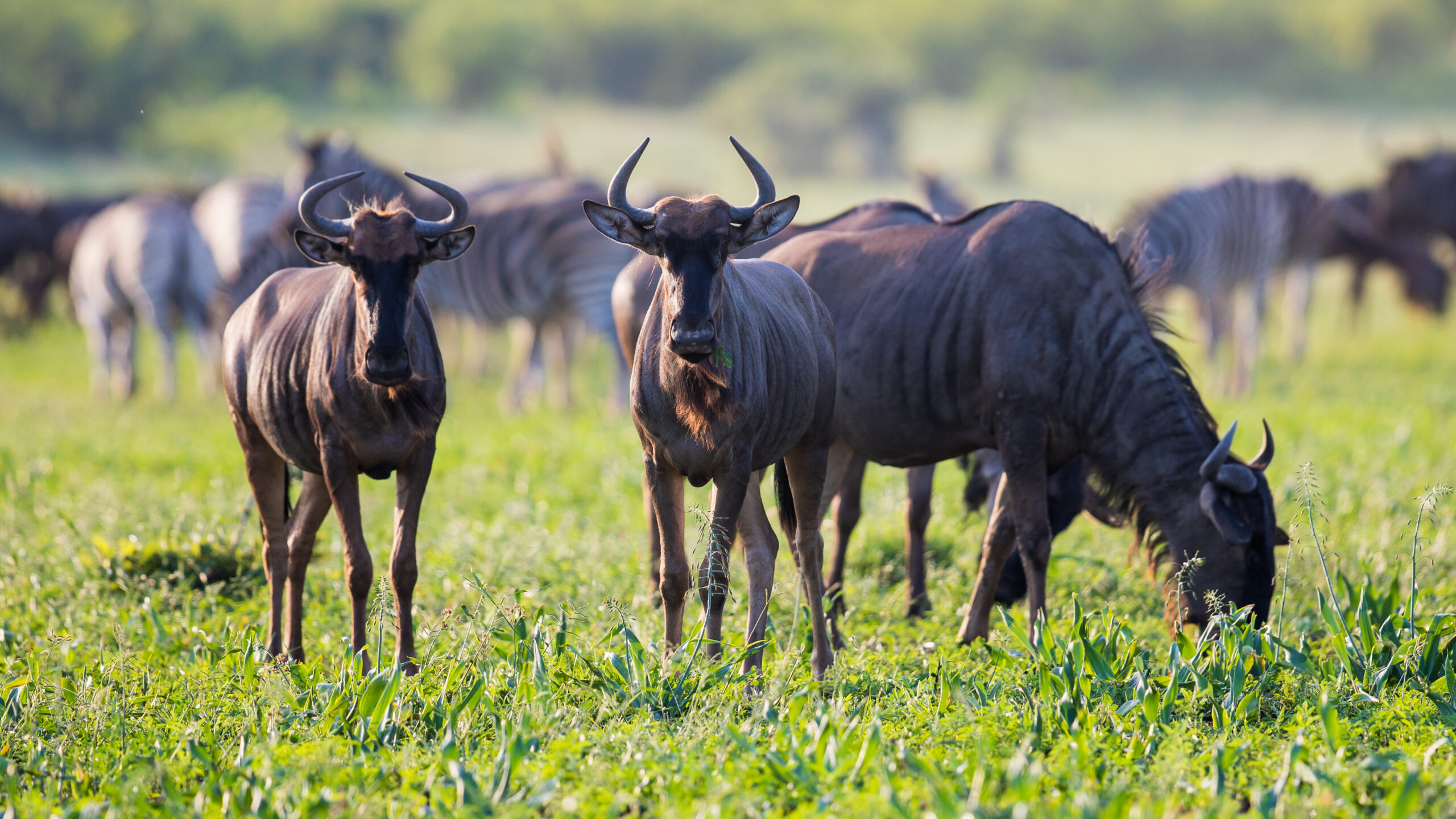
No honest Tanzania vs South Africa comparison can avoid this point. The Great Migration – 1.5 million wildebeest, 250,000 zebra, and hundreds of thousands of Thomson’s gazelle moving in an annual circuit across the Serengeti-Mara ecosystem – does not happen in South Africa.
South Africa has no equivalent wildlife movement. Kruger has excellent resident wildlife but no migration. The private reserves of Sabi Sands, Timbavati, and Thornybush are extraordinary – but nothing within South Africa’s borders replicates the scale of the Serengeti’s annual migration.
For American travelers for whom witnessing the Great Migration is a specific goal – Tanzania is the only destination. This is not a competition. It is a geographical fact.
THE MIGRATION FACT: The Great Migration is a Tanzania (and Kenya) exclusive. If seeing the most spectacular wildlife movement on Earth is your goal, South Africa is the wrong destination regardless of how good it is in other ways.
Where South Africa Wins
Off-Road Driving and Night Game Drives
South Africa’s private game reserves permit unrestricted off-road driving and night game drives with spotlights. This is a genuine advantage over Tanzania’s national parks, where both are prohibited. For wildlife photographers who want maximum vehicle positioning flexibility, and for travelers who want to see nocturnal species (leopard hunting, aardvark, serval, bushbaby), South Africa’s private reserves deliver experiences Tanzania’s parks cannot match.
Malaria-Free Options
The Waterberg region, parts of the Eastern Cape, and some KwaZulu-Natal reserves offer Big Five safari experiences in malaria-free areas. For American families with young children, or travelers who cannot take malaria prophylaxis for medical reasons, this is a significant advantage. All Tanzania safari areas require malaria prophylaxis.
The Wine Route Combination
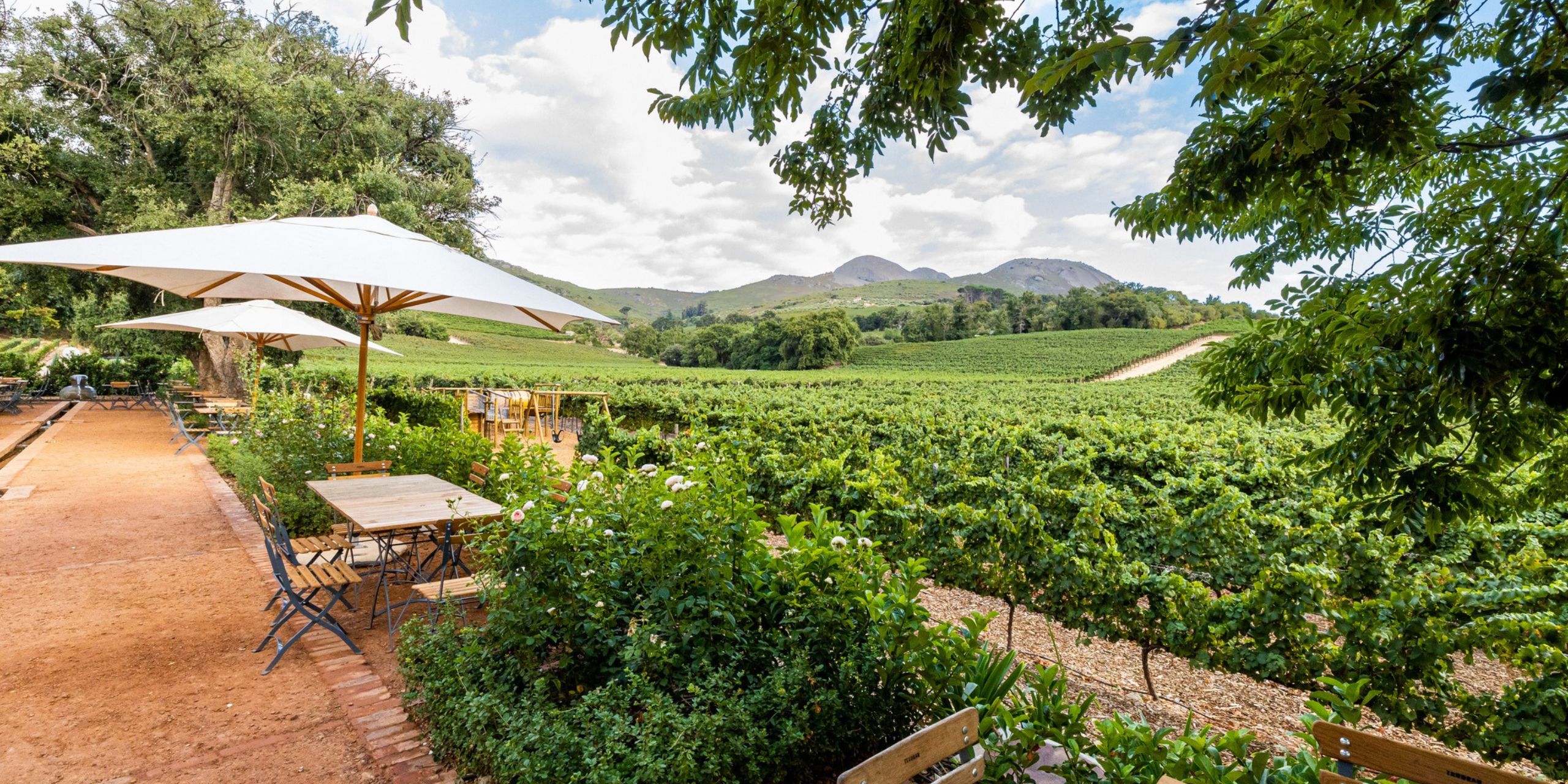
Cape Town, the Winelands, and the Garden Route make South Africa’s beach-and-bush combination a complete luxury travel itinerary that Tanzania cannot fully replicate. If safari plus sophisticated urban experience plus world-class wine is the goal, South Africa has the advantage.
Closer to Some US Cities
Atlanta to Johannesburg on Delta is approximately 16.5 hours non-stop – one of the few truly non-stop USA-Africa routes. For American travelers who want to minimise total travel time, this routing is faster than any Tanzania option by 2-4 hours.
Where Tanzania Wins – And It Wins Big
Scale and True Wilderness
Kruger National Park receives approximately 1.5 million visitors per year. The Serengeti receives approximately 350,000. At popular Kruger sightings – particularly big cats and rhino – vehicle congestion can be severe. Even Kruger’s private concessions border areas with significant vehicle traffic at major sightings.
The Serengeti, despite its fame, retains a genuine sense of wilderness that South Africa’s more developed safari industry cannot fully replicate. In the Serengeti’s outer zones and the northern Kogatende area, you can spend a full game drive morning without seeing another vehicle.
Cost Value for Money
Comparable quality mid-range safari experiences are typically 15-25% cheaper in Tanzania than South Africa. Park entry fees are lower (Tanzania $82/day vs Kruger $25/day – but Kruger private reserves add $100-200/day in conservancy fees). Internal logistics in Tanzania have improved dramatically with charter flight networks connecting all major airstrips.
Authentic Cultural Dimension
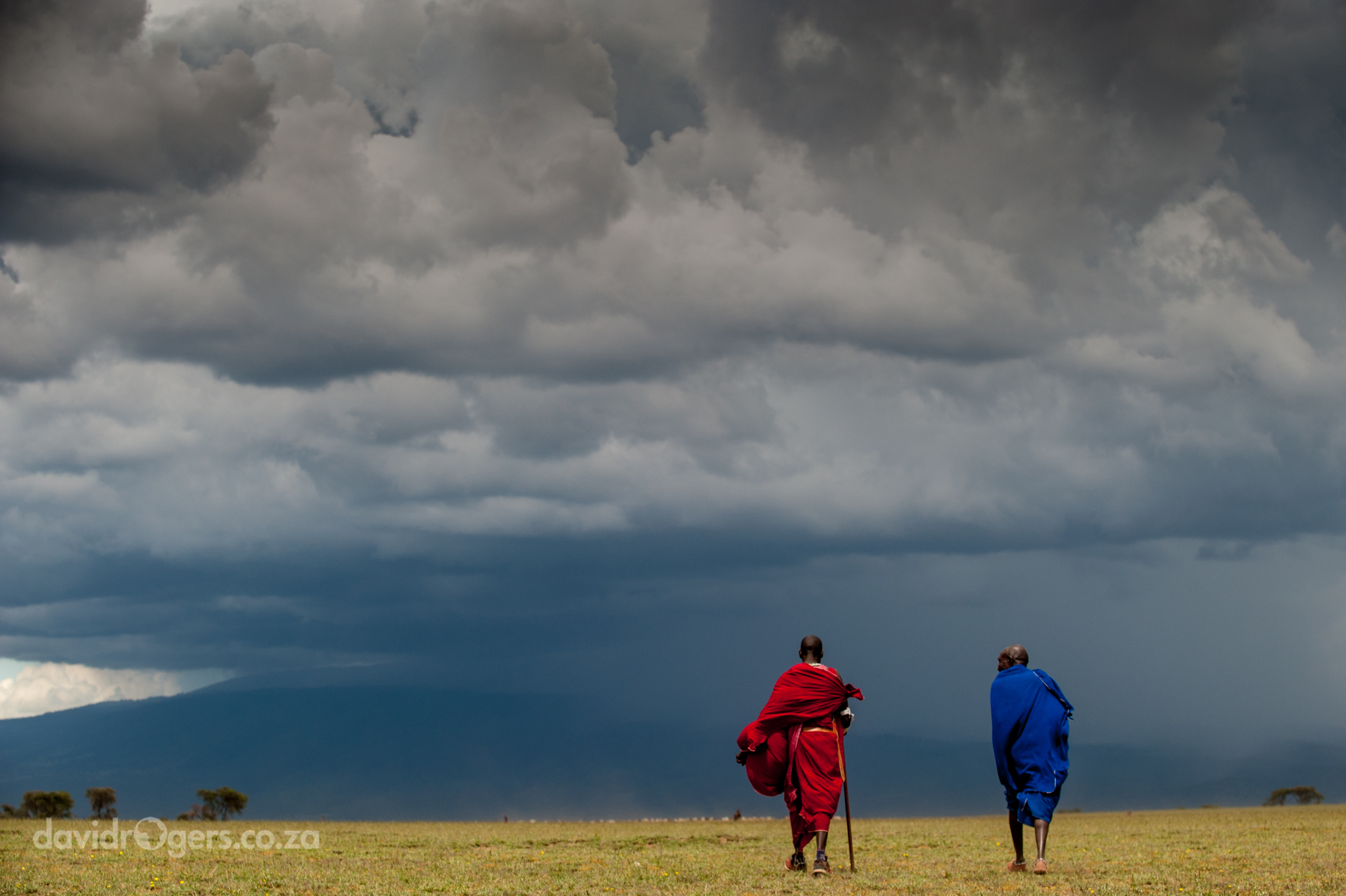
Tanzania’s safari geography is inseparable from its cultural context. The Maasai people have co-existed with wildlife in the northern circuit for centuries. The Hadzabe tribe at Lake Eyasi offer one of the world’s last genuine hunter-gatherer cultural encounters. The Swahili coast of Zanzibar adds an Indian Ocean historical dimension. South Africa’s safari culture, while excellent, lacks this depth of wildlife-adjacent cultural experience.
The Zanzibar Extension
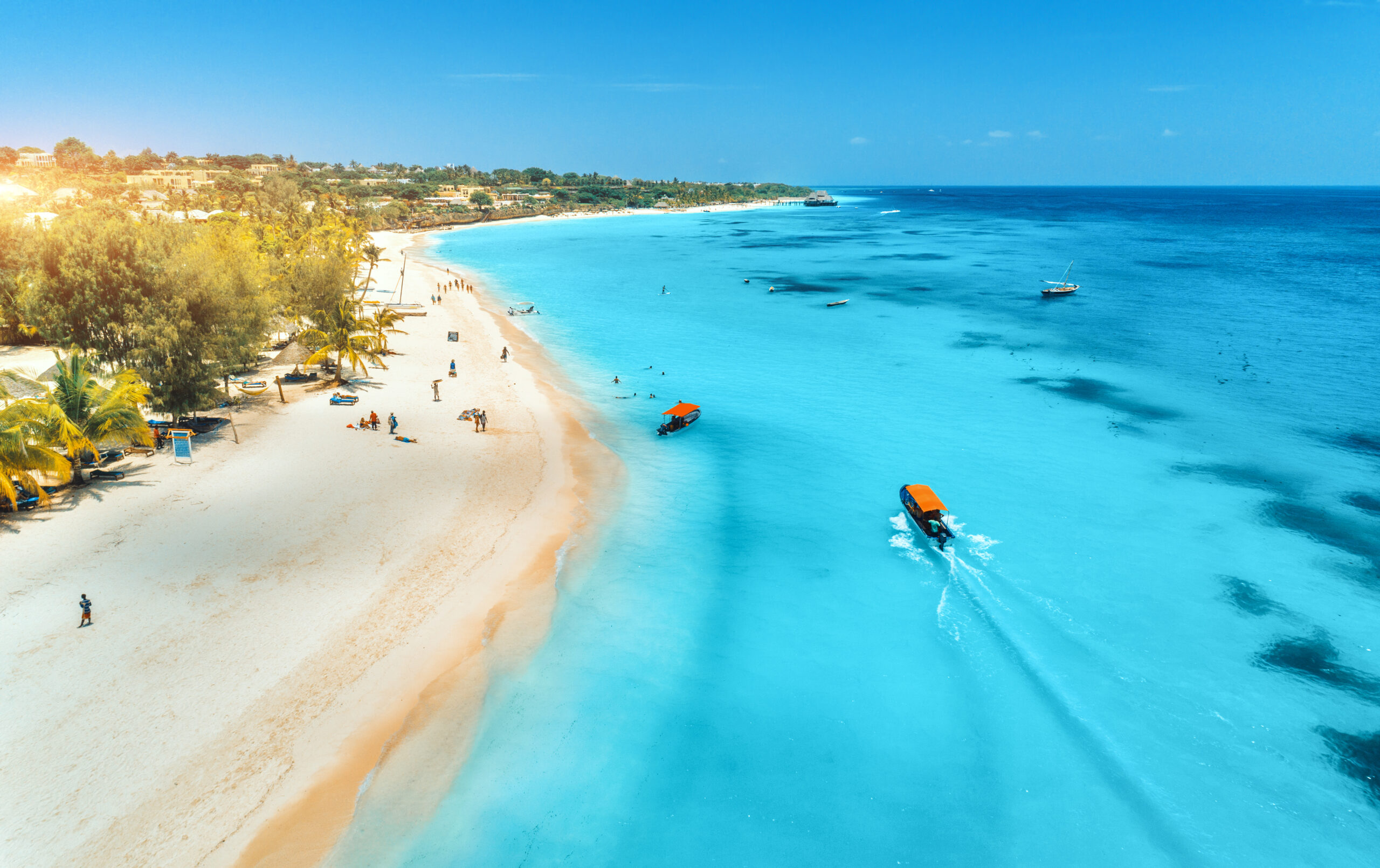
Zanzibar – Tanzania’s Indian Ocean island – offers white-sand beaches, historic Stone Town, excellent diving on Mnemba Atoll, and warm water year-round. The 90-minute charter flight from Arusha or Kilimanjaro connects directly. For Americans building a 2-week Africa itinerary, the Serengeti-to-Zanzibar combination is hard to beat. Cape Town is excellent – but it is a different kind of destination entirely.
Cost Comparison: Tanzania vs South Africa in USD
| Cost Element | Tanzania (Mid-Range 7 Days) | South Africa (Mid-Range 7 Days) |
| Safari package per person (from local hub) | $3,500-5,500 | $4,000-6,500 |
| Internal flights/transfers | $600-1,200 (charter options) | $300-700 (shorter distances) |
| US return flights | $1,200-2,000 (JRO via AMS/DOH) | $900-1,800 (JNB via ATL non-stop) |
| Visa fee | $50 (e-visa) | $0 (Americans visa-free to SA) |
| Malaria prophylaxis | Required all areas (~$100-200) | Optional (malaria-free areas available) |
| Travel insurance | $150-300 | $150-300 |
| Tips | $200-300 | $200-350 |
| TOTAL PER PERSON (economy) | $5,900-9,550 | $5,750-9,850 |
| Comparative verdict | Slightly better value at comparable quality | Slightly more expensive at comparable quality |
The cost difference is not dramatic – Tanzania and South Africa are broadly comparable in overall safari cost for American travelers. Tanzania’s lower park fees are partially offset by higher internal charter flight costs for multi-park itineraries. South Africa’s visa-free access for Americans is a minor advantage.
Forever Nature Safaris Tanzania Packages for American Travelers
All packages include private vehicle, experienced guide, all Tanzania park fees, full board, and airport transfers. Prices are from Arusha.
For Americans Wanting the Great Migration
🔗 7-Day Migration Crossing Mid-Range Safari (Jul-Oct):
🔗 6-Day Migration Calving Safari (Dec-Mar):
🔗 8-Day Lake Natron and Migration Crossing Safari:
For Americans Wanting the Full Northern Circuit
🔗 7-Day Northern Circuit Classic Safari:
🔗 10-Day Great Safari Journey:
For American Luxury Travelers
🔗 7-Day Black Rhino Tracking Luxury Safari:
🔗 9-Day Forever Nature Ultra-Luxury Safari:
For American Budget Travelers
🔗 5-Day Special Camping Safari:
🔗 7-Day Best Northern Circuit Private Safari:
The Verdict: Which Is Better for Americans?
For most American travelers – particularly first-time Africa visitors – Tanzania is the stronger choice. Here is the decision framework:
| Your Priority | Better Destination | Why |
| Seeing the Great Migration | Tanzania – no debate | Only country where the full migration circuit occurs |
| Off-road driving + night drives | South Africa (private reserves) | Prohibited in Tanzania national parks |
| Malaria-free safari | South Africa (specific regions) | All Tanzania parks require prophylaxis |
| First Africa safari | Tanzania | Scale, migration, cultural richness, value |
| Return Africa visitor | Either – depends on what you missed first time | Both destinations reward repeat visits |
| Photography (vehicle positioning) | South Africa private reserves | Off-road access allows perfect positioning |
| Budget optimization | Tanzania | Generally 15-25% better value at comparable quality |
| Beach extension quality | Tanzania (Zanzibar) | 90-min flight, Indian Ocean, exceptional diving |
| Flight convenience from Atlanta | South Africa (non-stop Delta) | 16.5 hours vs 20+ to Tanzania |
| Authentic wilderness feeling | Tanzania | Less developed, fewer vehicles, larger park system |
| Cultural safari experience | Tanzania | Maasai, Hadzabe, Swahili coast unmatched |
BOTTOM LINE: For American travelers whose Africa safari goal is the Great Migration, authentic wilderness, and outstanding cultural context – Tanzania wins clearly. For travelers who want off-road access, night drives, malaria-free areas, or a Cape Town urban experience – South Africa is the right choice. If you can do both on one trip, do both.
Not every traveler should choose the same country.
Tell us your budget, travel month, priorities, and dream animals and we’ll recommend the best Tanzania itinerary honestly.
👉 WhatsApp: +255 778 823 947
👉 Email: info@forevernaturesafaris.com
👉 Explore: https://forevernaturesafaris.com/
👉 TripAdvisor: https://www.tripadvisor.com/
👉 LinkedIn: https://www.linkedin.com/in/oshua-munuo/
Frequently Asked Questions
FAQ 1: Is Tanzania or South Africa better for a first safari?
For most first-time safari travelers, Tanzania is the better choice. The Serengeti delivers the Great Migration (the world’s largest wildlife movement), the Ngorongoro Crater offers extraordinary wildlife density in a geological wonder, and the overall scale and authenticity of Tanzania’s northern parks is hard to match. South Africa is excellent but lacks the migration and tends toward a more developed, resort-style safari experience.
FAQ 2: Is Tanzania more expensive than South Africa for safari?
Total costs are broadly comparable for American travelers. Tanzania mid-range 7-day safaris run $5,900-$9,550 per person all-in (including US flights). South Africa runs $5,750-$9,850 at comparable quality. South Africa offers visa-free entry for Americans ($50 Tanzania e-visa) and potentially shorter flight times from Atlanta (Delta non-stop to Johannesburg). Tanzania offers better wildlife scale and Great Migration access.
FAQ 3: Can you see the Big Five in Tanzania?
Yes – all Big Five (lion, leopard, elephant, buffalo, and black rhino) are present in Tanzania. Lion, leopard, elephant, and buffalo are reliably seen across the northern circuit parks. Black rhino is best seen in Ngorongoro Crater, which has approximately 26-30 resident individuals – one of Africa’s most reliable black rhino viewing populations.
FAQ 4: Does South Africa have the Great Migration?
No. The Great Migration is exclusive to Tanzania and Kenya. Approximately 1.5 million wildebeest and 250,000 zebra move in an annual circuit between Tanzania’s Serengeti and Kenya’s Maasai Mara – following rainfall and fresh grass. South Africa has excellent resident wildlife in Kruger and private game reserves, but no equivalent seasonal wildlife movement.
FAQ 5: How do American travelers get to Tanzania vs South Africa?
Tanzania: fly to Kilimanjaro International (JRO) via Amsterdam (KLM/Delta, ~20 hours from East Coast), Doha (Qatar Airways, ~21 hours), Addis Ababa (Ethiopian, ~20 hours), or Istanbul (Turkish, ~22 hours). South Africa: fly to Johannesburg (JNB) via Atlanta (Delta non-stop, ~16.5 hours – only non-stop USA-Africa route), London (British Airways, ~17 hours), Dubai (Emirates, ~17 hours), or Amsterdam (KLM, ~17 hours).