
Tanzania Safari Nature Walks offer travelers a unique way to experience Africa’s wilderness on foot. Walking safaris allow you to explore the bush intimately, notice animal tracks, observe bird calls, and learn about plants and ecology directly from expert guides.
Walking safaris are always conducted under the guidance of licensed safari guides and, where required, armed rangers. This ensures safety while providing interpretive knowledge about animal behavior, plant ecology, and ecological relationships. Tanzania’s top parks and conservation areas for walking safaris include Serengeti National Park, Ngorongoro Conservation Area, Tarangire National Park, Arusha National Park, Nyerere National Park, and Ruaha National Park. Each destination offers a unique environment, from vast plains and volcanic craters to riverine forests and remote wilderness, making every walk a different experience.
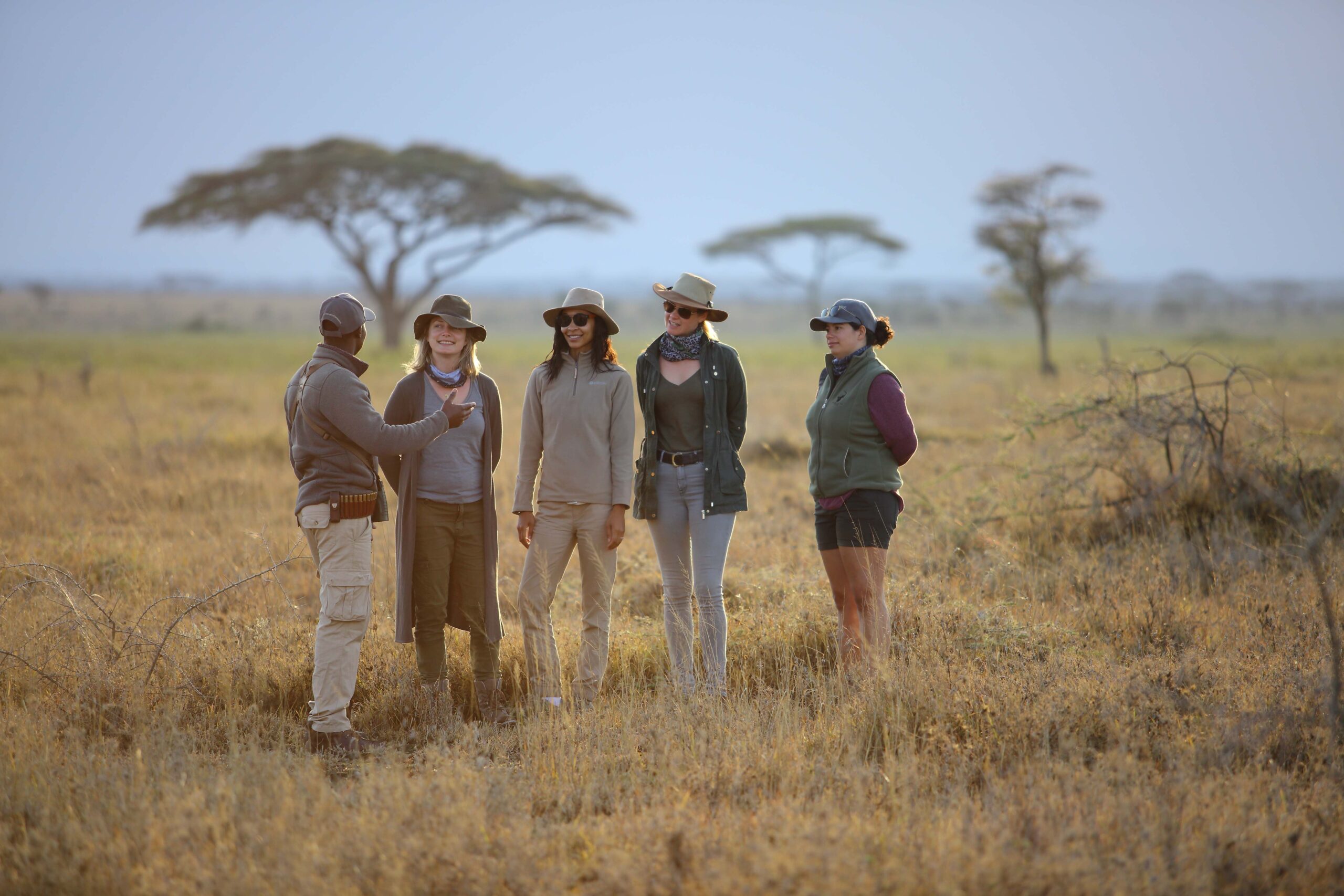
Why Tanzania Safari Nature Walks Are Unique
A walking safari emphasizes observation, learning, and immersion. On foot, you notice animal tracks, termite mounds, small mammals, insects, birds, and plant species that often go unnoticed on a vehicle safari. Guides teach participants how to read animal signs, identify birds by their calls, and understand plant uses in the ecosystem. Walking safaris are generally conducted in the cooler hours of the day — early morning or late afternoon — to enhance wildlife activity and comfort. Unlike traditional game drives, the focus is not on spotting the Big Five but on gaining a deeper understanding of Tanzania’s rich ecosystems.
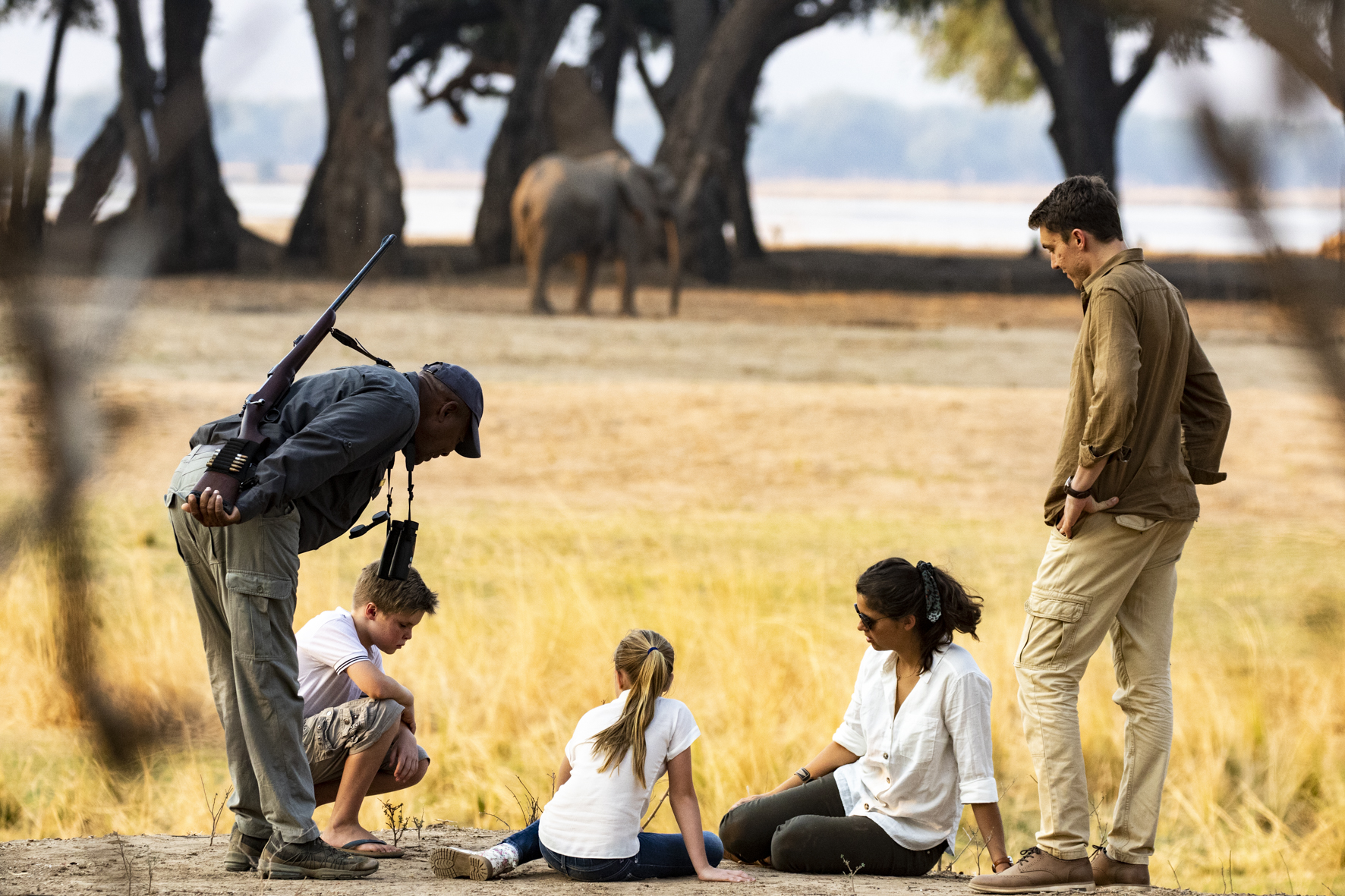
Top Parks for Tanzania Safari Nature Walks
Serengeti National Park is world-famous for the Great Wildebeest Migration. Walking safaris here are limited to areas near camps, providing opportunities to study small mammals, birds, and plant life in detail. Participants can explore open plains, kopjes, and woodland patches, learning about animal behavior and the ecological balance that supports the park’s abundant wildlife.
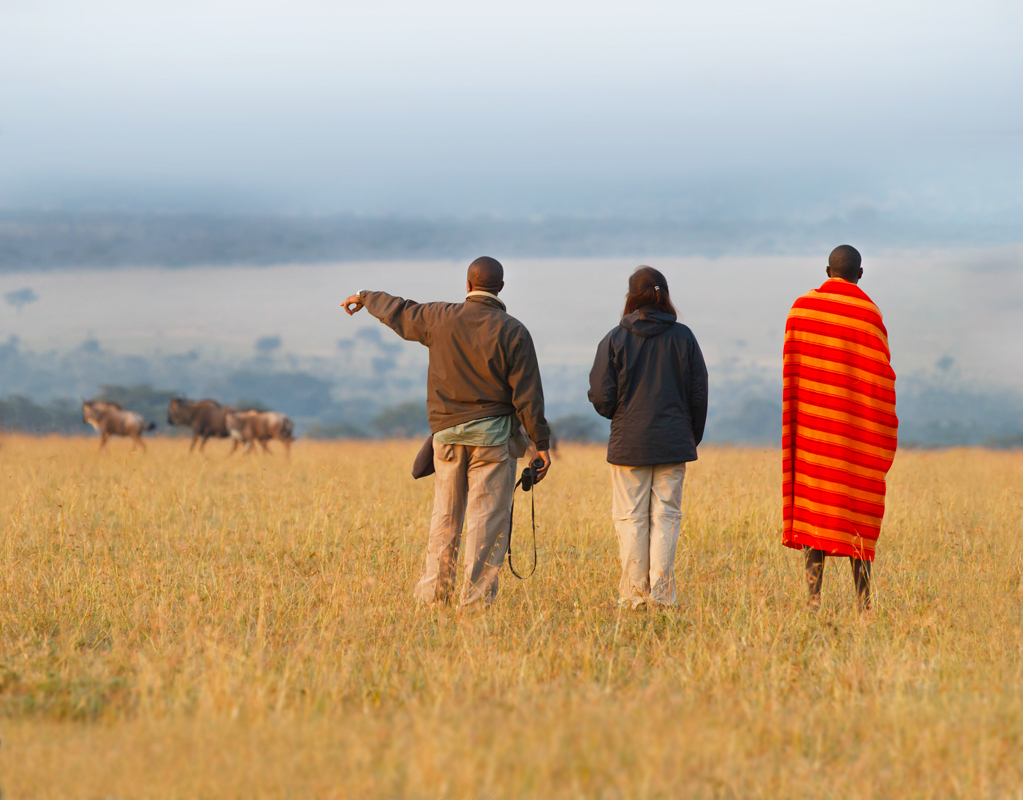
Ngorongoro Conservation Area offers walking safaris along crater rims and highlands. Popular routes include the Empakaai and Olmoti Craters, where visitors encounter birdlife, unique flora, and cultural insights into Maasai pastoral life. Walking here provides panoramic views and access to areas less frequently visited on vehicle safaris. the Ngorongoro Conservation Area (a UNESCO World Heritage Site),
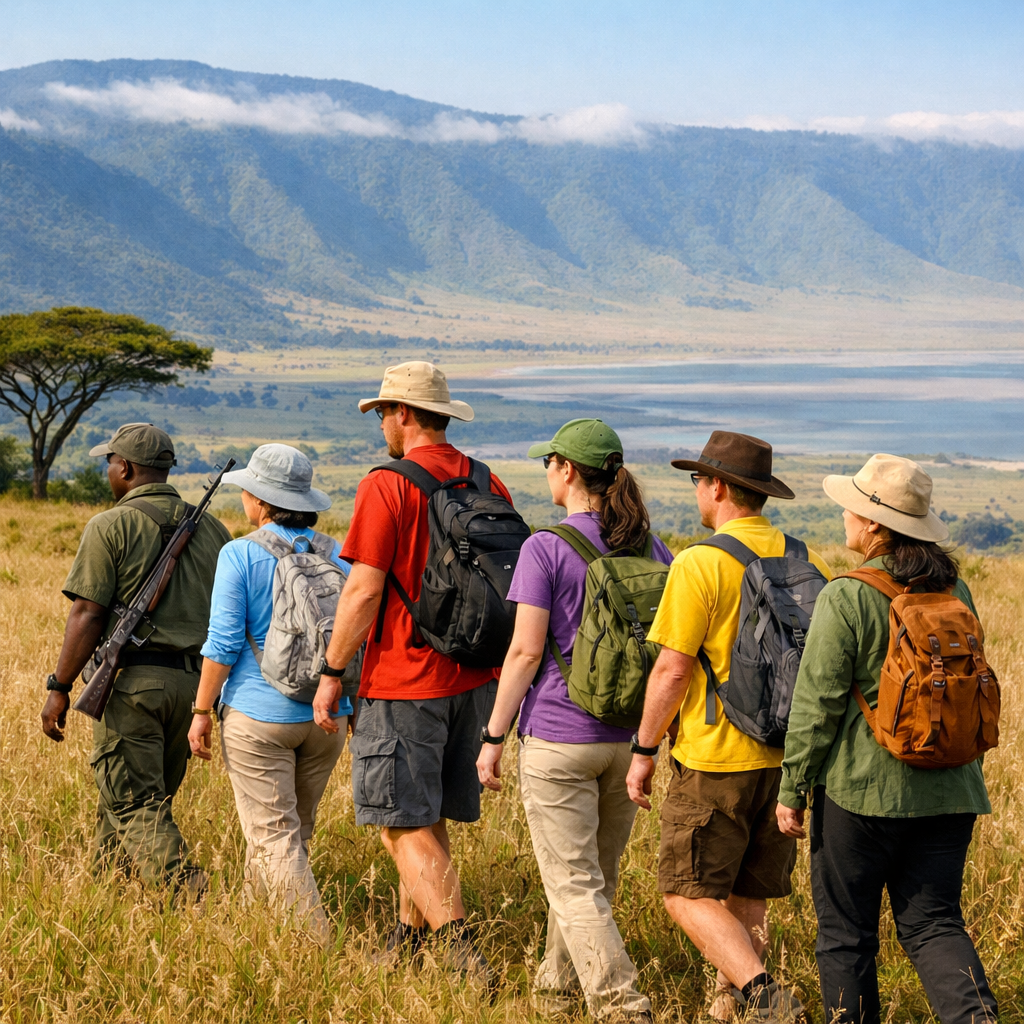
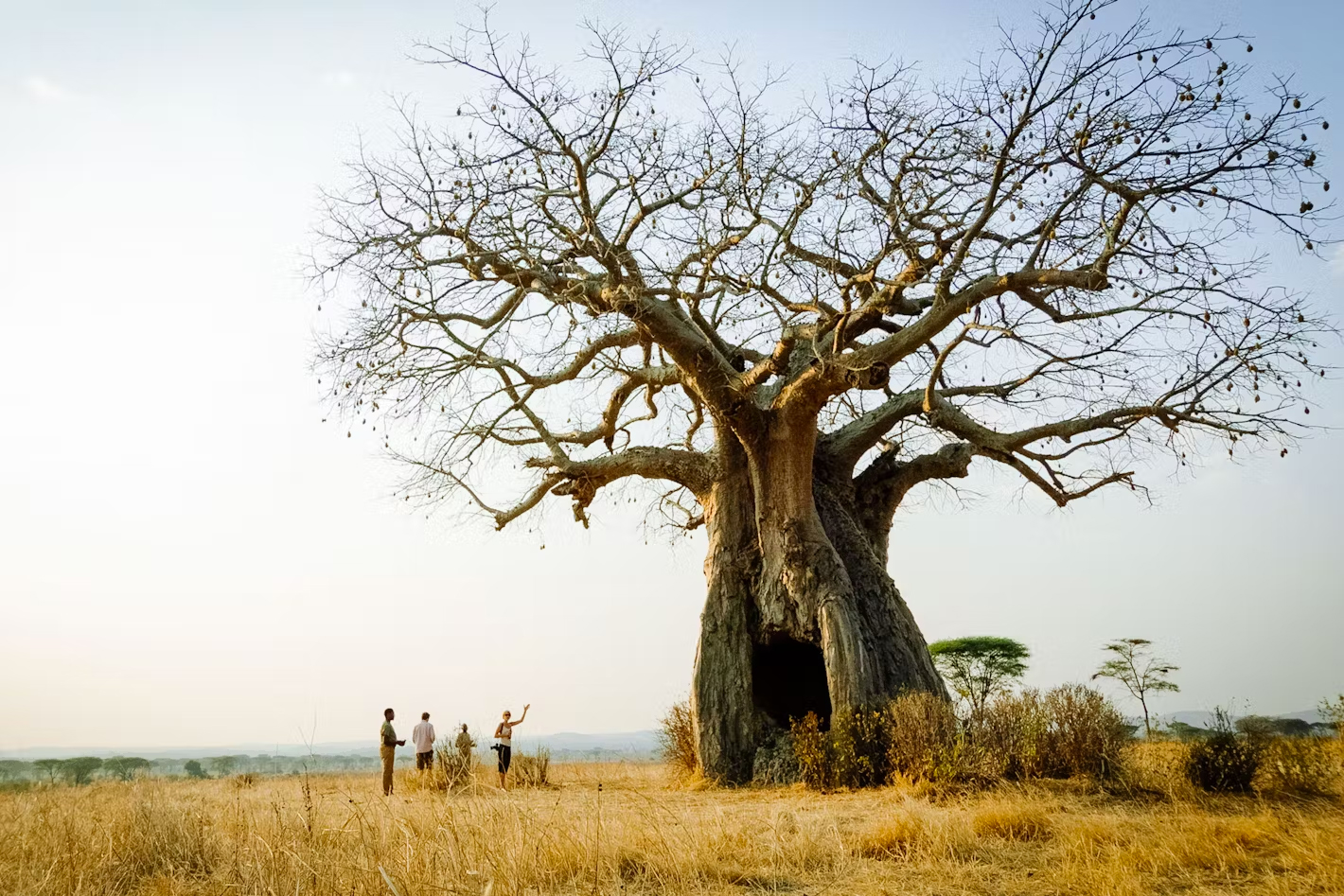
Tarangire National Park features baobab forests, riverine habitats, and open plains. Walking safaris allow visitors to track elephants, observe antelopes, and enjoy rich bird diversity. These guided walks are particularly informative about seasonal water availability and plant adaptations to the dry climate.
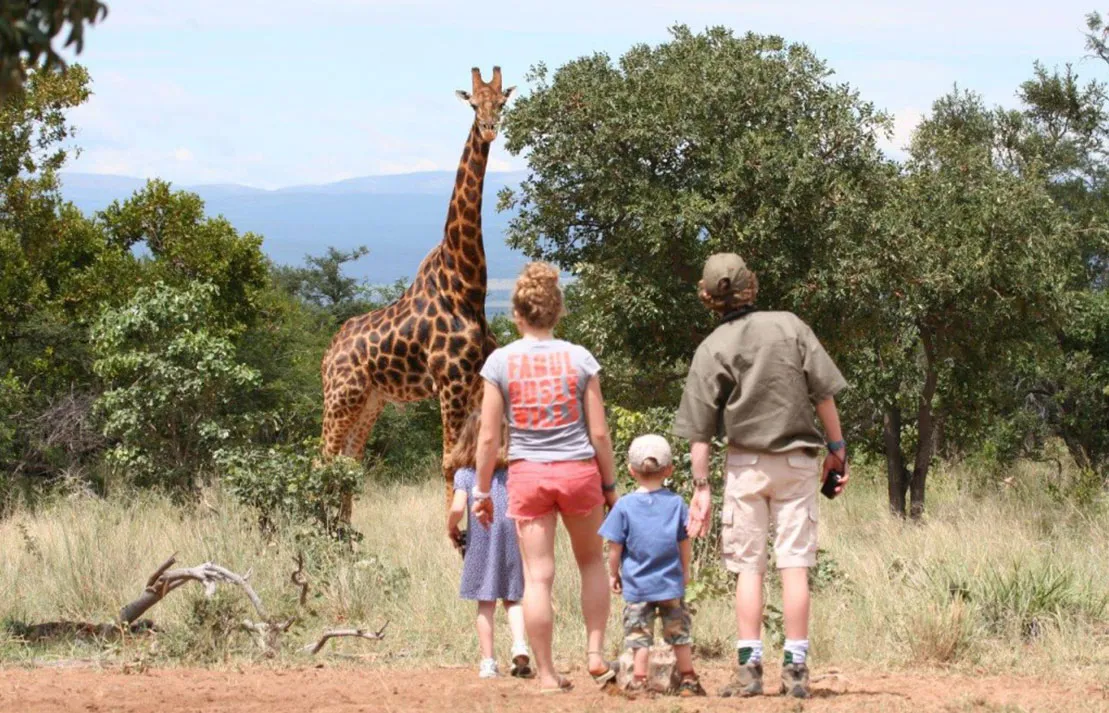
Arusha National Park is ideal for family-friendly walks. Its forests, waterfalls, and lakes create accessible trails for birdwatching and nature exploration. Walking safaris here are shorter and focused on education, providing a gentle introduction to bush ecology.
Nyerere National Park (Selous) offers extensive walking opportunities along rivers and woodland areas, often combined with boat safaris on the Rufiji River. Visitors can study footprints, bird nesting areas, and riverbank ecosystems while enjoying the remote wilderness.
Ruaha National Park provides remote, multi-day walking expeditions with mobile camps. Trekkers experience dramatic landscapes, high predator density, and rare wildlife encounters. These safaris are designed for more experienced and adventurous travelers seeking a deep wilderness experience.
Lake Natron — A Unique Walking Safari Destination
Located in northern Tanzania’s Arusha Region near the Kenya border, Lake Natron is an alkaline soda lake in the Great Rift Valley, known for its otherworldly landscapes and incredible birdlife. The lake is one of the most important breeding grounds for lesser flamingos in the world, where vast flocks gather to feed on spirulina algae and nest along the shallow shores.
Walking experiences at Lake Natron differ from the classic savanna walks in Serengeti — here, nature walks often include flamingo lake shore treks, guided geological and cultural trails, walks to ancient footprints, and visits to waterfalls and gorges sculpted by volcanic and rift processes.
-
Flamingo walks take you out onto the alkaline flats near sunrise or sunset, where the thousands of pink flamingos paint the landscape with motion and colour.
-
Footprint walks lead you to sites where ancient hominid tracks are preserved in hardened volcanic mud — evidence of early human ancestors walking this land long before safari routes existed.
-
Trails such as those leading to Ngare Sero Waterfalls follow riverbeds and shaded gorges, offering refreshing natural pools and a lush contrast to the stark soda lake plains.
-
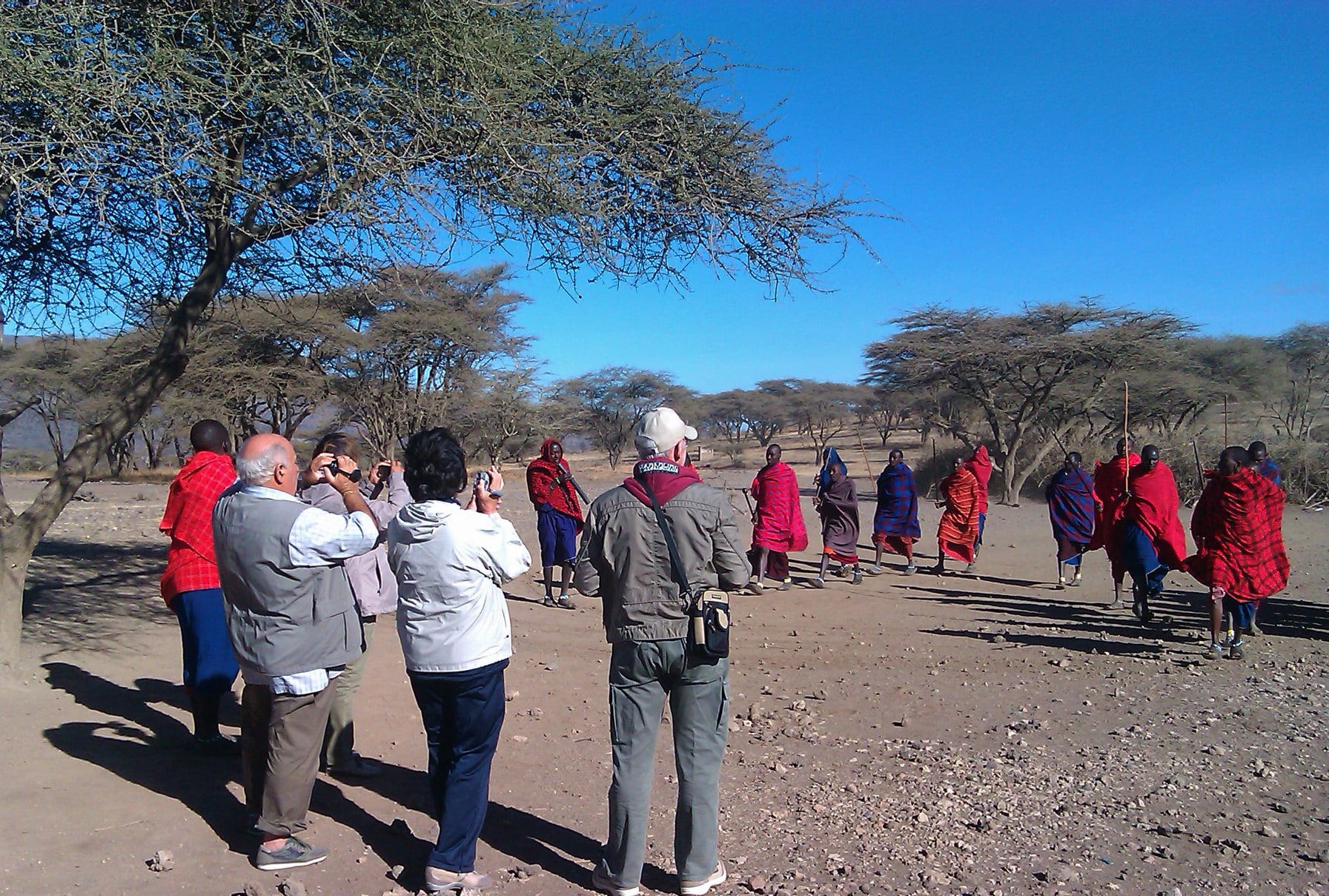
Cultural walks with Maasai guides bring local stories and traditions to life, connecting visitors with the people who have lived in the Rift Valley for generations.
Lake Natron sits within a Wildlife Management Area, and visiting often requires a permit; the best time for walking tours is during the dry season (June–September) when trails are firm and birdlife abundant.
Kilimanjaro Shira Plateau Day Trip
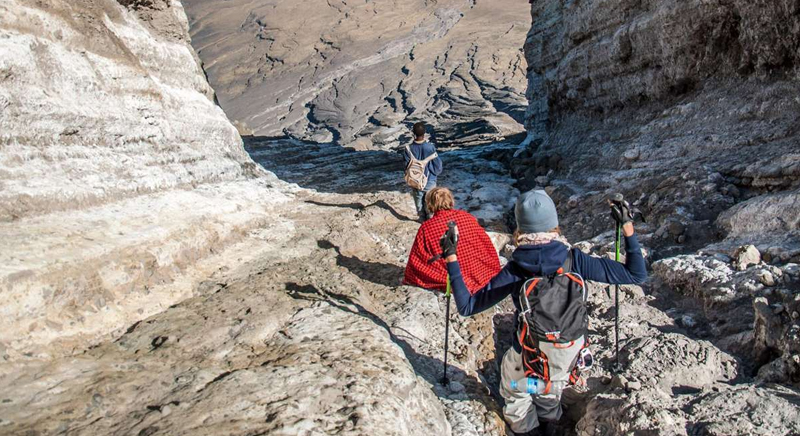
A Shira Plateau day trip on Mount Kilimanjaro is a perfect way to experience Africa’s tallest mountain without a multi-day climb. The Shira Plateau, on Kilimanjaro’s western flank, features high-altitude moorlands, volcanic formations, and panoramic views of the peaks. You can explore this unique landscape, enjoy a packed lunch, and return to your base all in one day.
The hike typically starts from Morum Barrier (~3,400 m) after a morning drive from Moshi or Arusha. Walks cover 8–12 km (4–7 mi) across moorlands and lava fields, taking 4–6 hours including stops. Highlights include Shira Cathedral rock formations, sweeping mountain views, and the chance to observe alpine flora.
This trip is ideal for travelers with moderate fitness seeking a high-mountain experience without climbing to the summit. The dry season (June–October) is best for firm trails and clear visibility.
Types of Walking Safaris
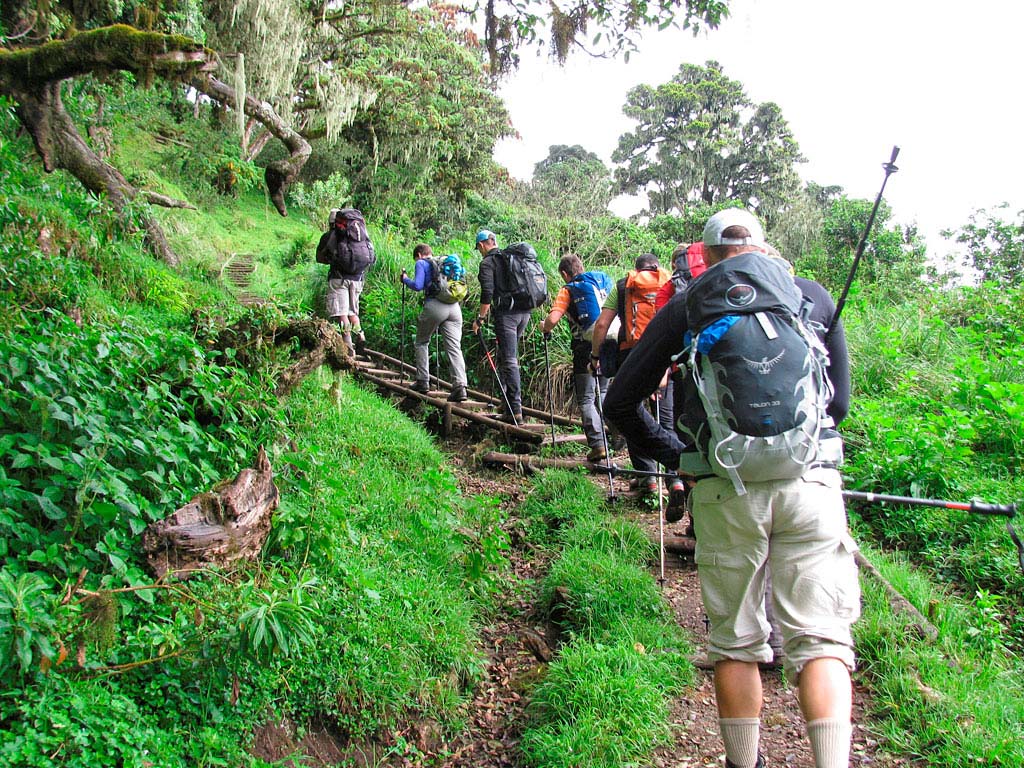
Walking safaris vary in duration and intensity. Short interpretive walks typically last 45–90 minutes, suitable for families or beginners, and focus on tracks, plants, and birds. Half-day walks (2–4 hours) combine ecological observation with light refreshments, exploring scenic locations and multiple habitats. Full-day walks (6–8+ hours) are ideal for fit participants, covering diverse terrains and extended learning opportunities. Mobile walking expeditions involve multi-day treks with mobile camps, particularly in Ruaha and Nyerere, allowing for deep exploration of remote wilderness areas.
What You Will See
Walking safaris offer insights into both large and small wildlife. Visitors can study tracks and signs of lions, leopards, elephants, and hyenas, learning to interpret their movements and behavior. Birdwatchers can enjoy the richness of species including turacos, sunbirds, flamingos, and raptors. Walking also reveals plant ecology, such as baobabs, acacias, and medicinal herbs, and highlights the importance of insects, termites, and small reptiles in maintaining the ecosystem. These experiences allow visitors to engage with the environment in a hands-on, educational way that is impossible from a vehicle.
Practical Tips
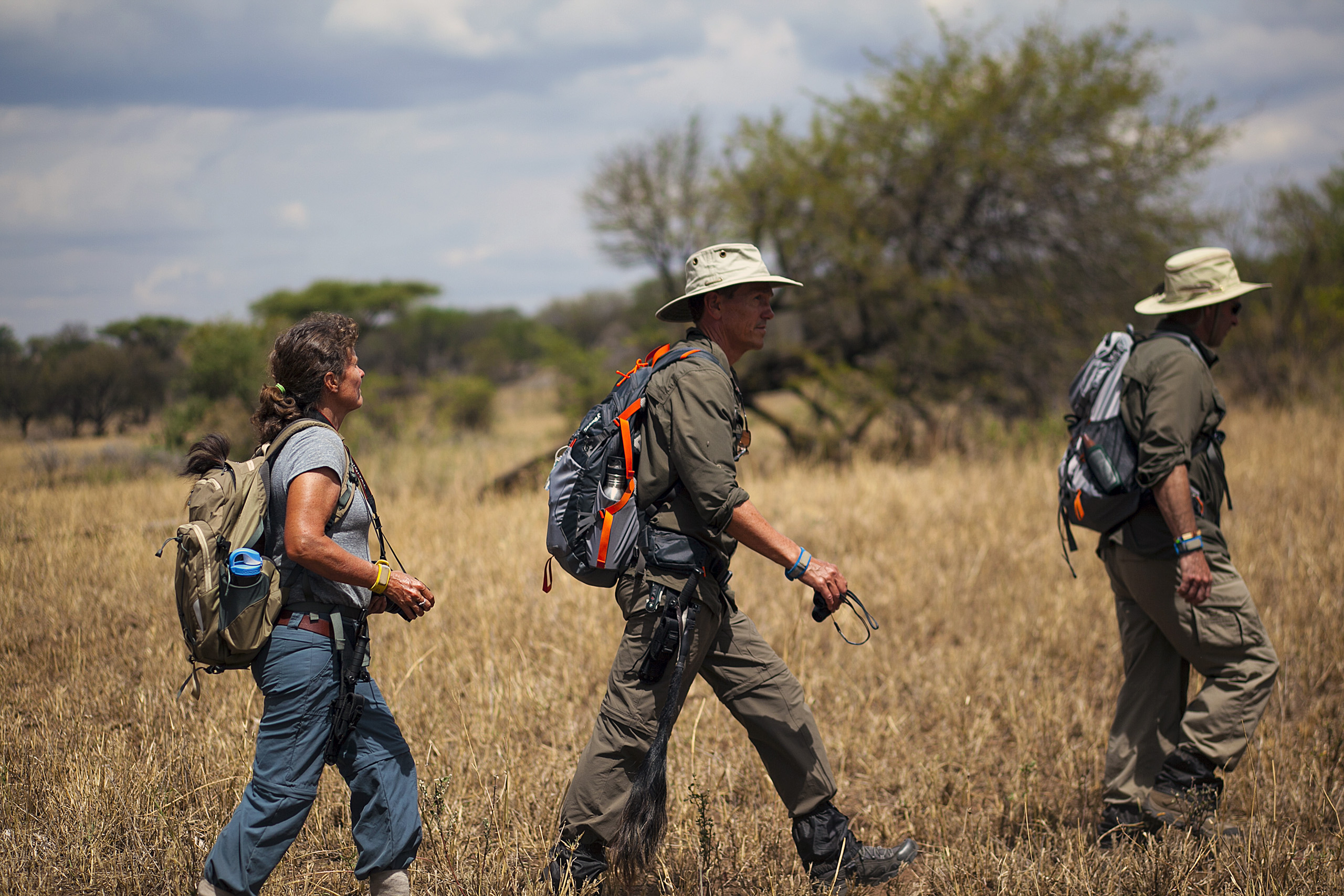
Preparation ensures comfort and safety on walking safaris. Visitors should wear neutral-colored clothing, sun protection, and sturdy walking shoes. A daypack with water, binoculars, and a camera is recommended, and lightweight rain gear is necessary during the green season. Walks are safest in the cooler hours of the day, and participants should always follow their guide or ranger, respecting wildlife and maintaining group cohesion. Combining walking safaris with game drives, cultural visits, or boat safaris provides a balanced experience and reduces fatigue.
Why Walking Safaris Are Special
Walking safaris deepen your connection with the environment, helping you understand the interactions between wildlife, plants, and ecosystems. They promote eco-conscious tourism, minimize environmental impact compared to vehicles, and provide unique photographic opportunities. By slowing down, visitors gain a perspective on Tanzania’s wilderness that encourages observation, patience, and appreciation for nature.
FAQs
Q: Are walking safaris safe?
Yes, when led by licensed guides and armed rangers in designated areas. Safety is always prioritized.
Q: Will I see large predators?
Direct encounters are avoided for safety. Participants observe tracks, distant sightings, and signs of predator activity.
Q: Can children join?
Yes, short interpretive walks are family-friendly, while full-day walks are recommended for older children or teenagers.
Q: What is the best time to walk?
The dry season (June–October) offers ideal trail conditions and wildlife concentration, while the green season (November–May) is lush and excellent for birdwatching.
Experience the Best of Tanzania
Discover wildlife up close with a Tanzania Safari Nature Walk in both the Serengeti and Ngorongoro.
Book Serengeti Safari | Book Ngorongoro Safari