Planning your dream safari in Tanzania is an exciting adventure, especially for travelers from the USA. With its stunning landscapes, rich wildlife, and vibrant cultures, Tanzania offers some of the best safari experiences in the world. This comprehensive guide will walk you through the steps to effectively plan your Tanzania safari from the USA, ensuring you have an unforgettable experience.
1. Decide on Your Safari Type Planning a Safari in Tanzania from the USA
Private vs. Group Safari
• Private Safari: This option provides a more personalized experience, allowing you to customize your itinerary according to your interests and schedule. Ideal for families or groups wanting to explore at their own pace.
• Group Safari: Often more budget-friendly, group safaris allow you to share the adventure with fellow travelers. These safaris typically have set itineraries and can be a great way to meet people.
Types of Safaris
• Game Drive Safaris: Traditional driving expeditions in open vehicles, where you can spot wildlife in national parks like Serengeti and Ngorongoro Crater.
• Walking Safaris: Led by expert guides, these safaris allow you to explore the wilderness on foot, providing a unique perspective.
• Cultural Safaris: Focus on cultural experiences, allowing you to immerse yourself in Tanzanian traditions by visiting local villages and engaging with communities.
2. Research and Choose Your Destinations
Tanzania has some of the most renowned safari destinations. Here are some to consider:
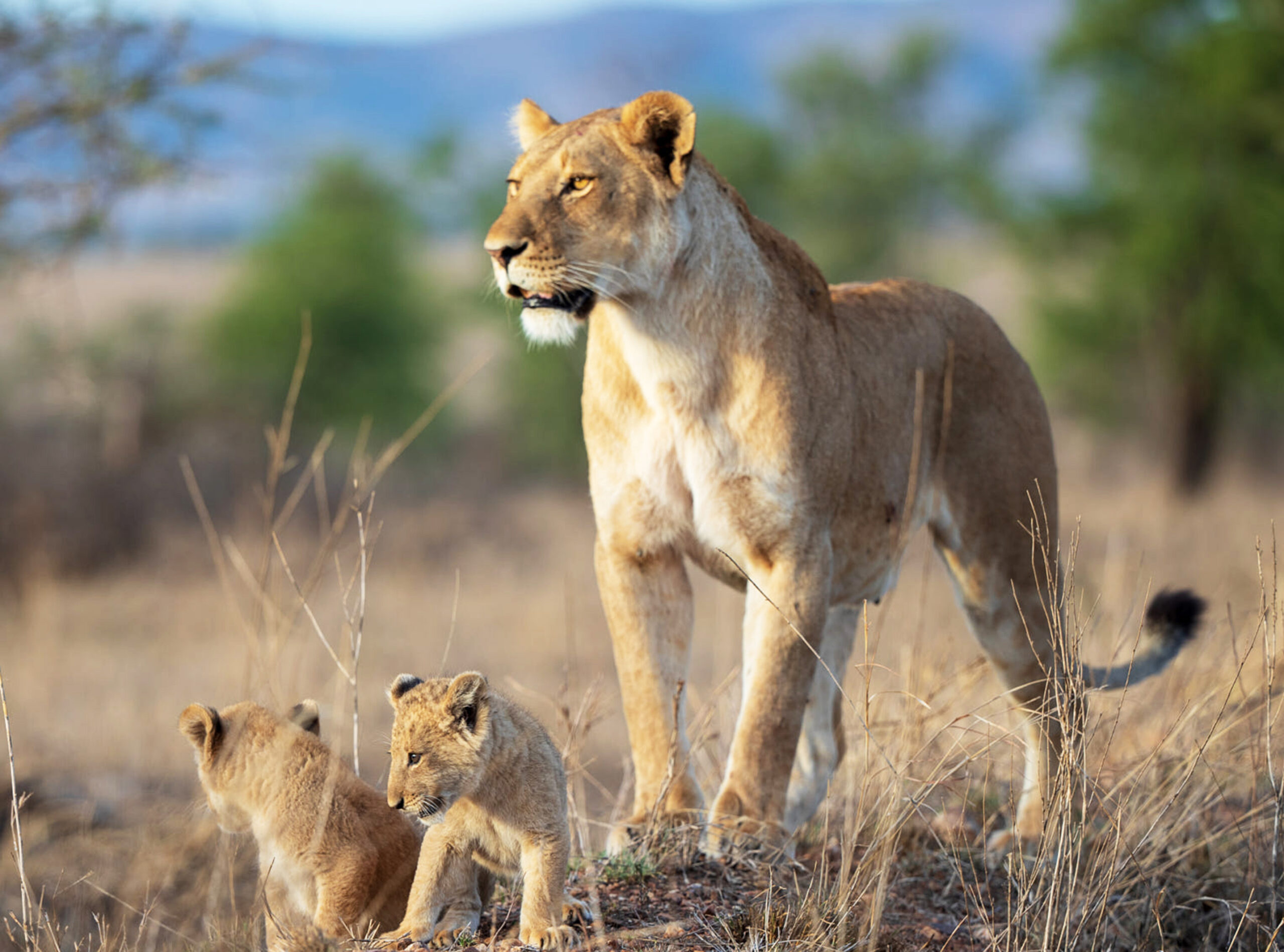
Famous for its incredible wildlife and the Great Migration, the Serengeti is a must-visit.
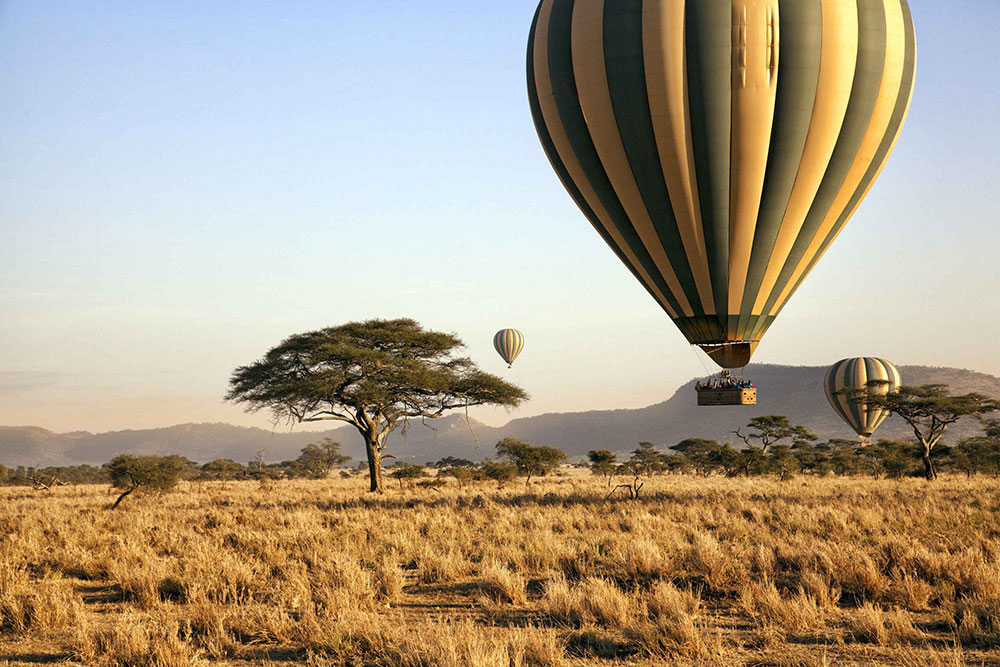
A UNESCO World Heritage Site, Ngorongoro is home to diverse wildlife in a stunning geological formation.
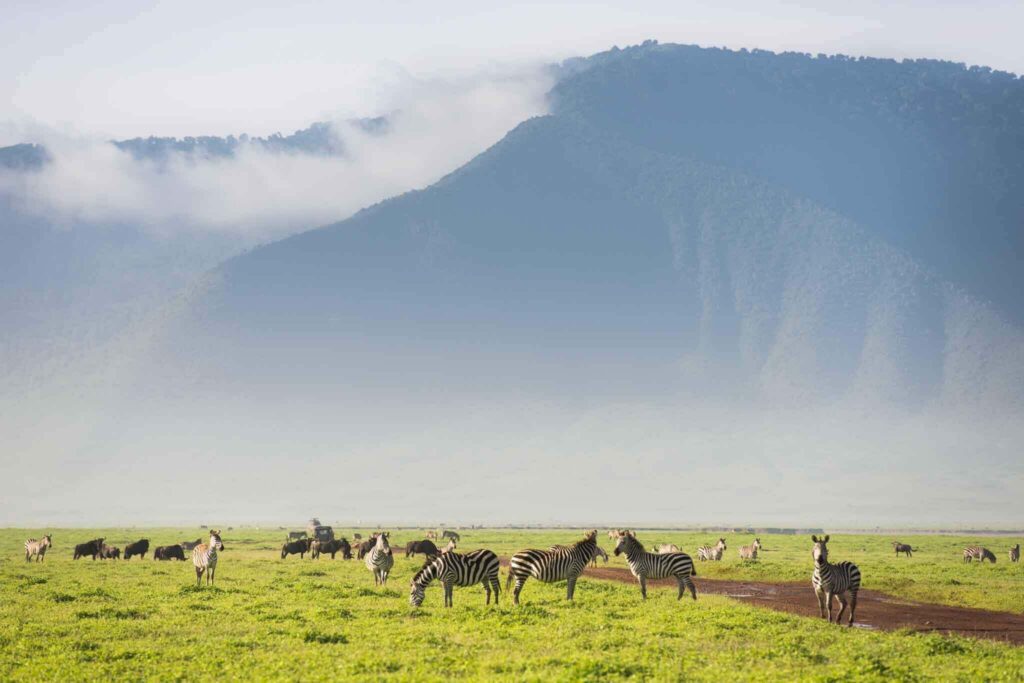
Known for its large elephant population and scenic baobab trees, Tarangire is often less crowded than other parks.
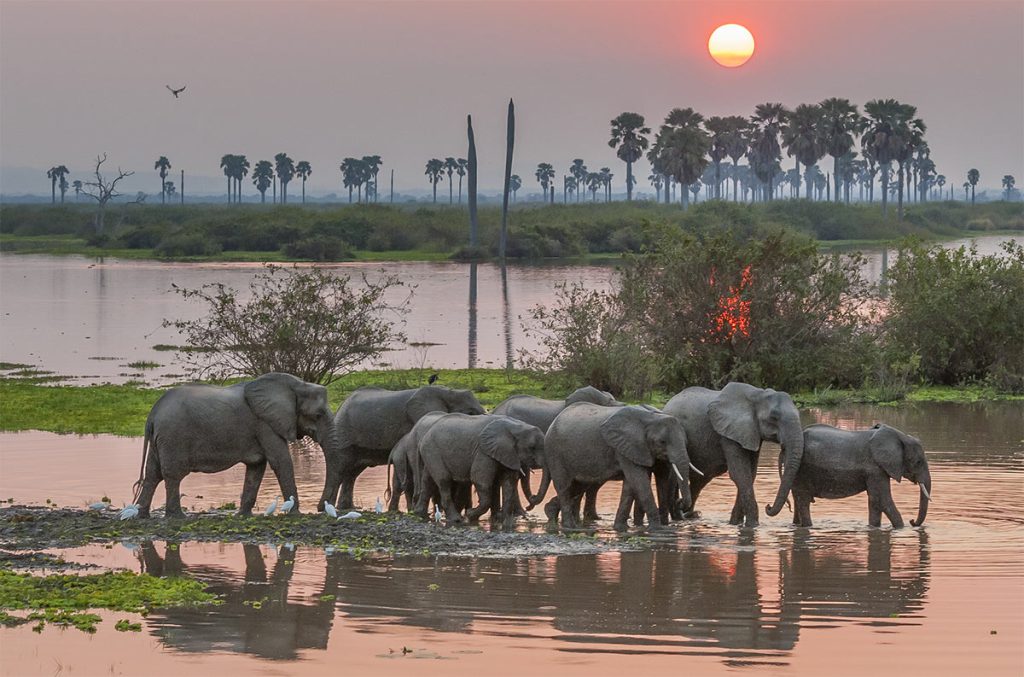
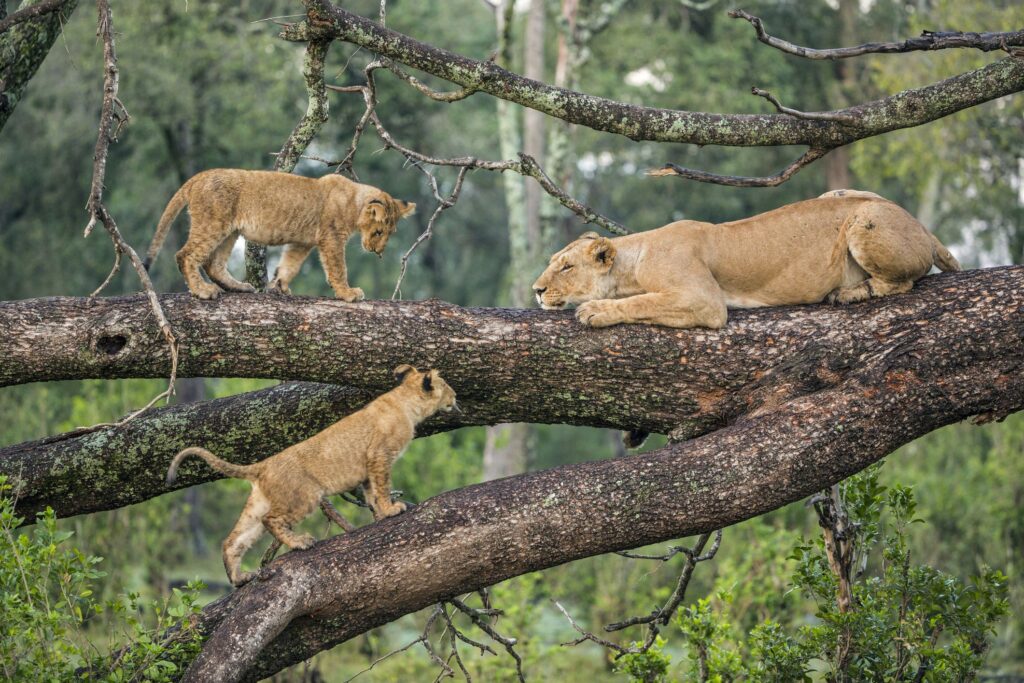
Perfect for birdwatching and spotting tree-climbing lions, this park adds variety to your itinerary.
3. Determine Your Travel Dates
Best Time to Visit
• Dry Season (June to October): Ideal for wildlife viewing, as animals congregate around water sources.
• Wet Season (November to May): Offers lush landscapes and is good for bird watching. However, some areas may be less accessible due to rain.
Important Considerations
• Weather Conditions: Research the weather patterns for your selected travel dates to pack appropriately.
• Crowds: Consider traveling during off-peak times to avoid large tourist crowds and potentially enjoy lower prices.
4. Book Your Flights
Finding the Best Flights
• Major Airports: The two primary international airports in Tanzania are Kilimanjaro International Airport (JRO) and Dar es Salaam Airport (DAR).
• Connecting Flights: Many travelers from the USA will have connecting flights through European or Middle Eastern cities such as Amsterdam, Paris, or Doha.
Tips for Booking
• Use Flight Comparison Sites: Websites like Google Flights, Kayak, or Skyscanner can help you find competitive rates.
• Book in Advance: Secure your flights 2-4 months ahead of your travel date to get the best deals.
5. Choose Your Safari Operator
Selecting a reputable safari operator is crucial for planning a successful safari.
What to Look For
• Experience: Research operators with extensive knowledge of Tanzanian safaris and positive customer reviews.
• Customization Options: Check if they offer tailor-made itineraries to suit your family’s needs, interests, and budget.
• Sustainable Practices: Opt for operators who emphasize eco-friendly practices and support local communities.
Consultation
Reach out to a few operators to discuss your interests and get quotes. This process will give you insight into what you can expect in terms of service and value for money.
6. Prepare for Your Safari
Documents Required
• Passport: Ensure that your passport is valid for at least six months beyond your intended stay and has at least one blank page for entry stamps.
• Visa: Most travelers from the USA need a visa to enter Tanzania. You can apply online or obtain a visa upon arrival (but confirm the latest policies due to changing regulations).
Vaccinations and Health
• Consult a Doctor: Visit a travel health clinic at least 4-6 weeks before departure to discuss vaccinations (e.g., yellow fever, hepatitis A) and malaria prevention.
• Travel Insurance: Purchase comprehensive travel insurance that covers health, cancellation, and emergencies.
Packing Essentials
• Clothing: Pack light, breathable clothing in neutral colors to blend in with the scenery. Include layers for cooler mornings and evenings.
• Equipment: Bring binoculars, a good camera, chargers, and power adapters (Type G is used in Tanzania).
• Toiletries: Pack any necessary medications, sunscreen, and insect repellent.
7. Enjoy Your Safari Experience
Safari Etiquette
• Respect Wildlife: Keep a safe distance from animals, follow your guide’s instructions, and avoid loud noises.
• Cultural Sensitivity: When interacting with local communities, be respectful of their customs and traditions.
Stay Flexible
While it’s great to have an itinerary, some of the most incredible experiences come from spontaneous encounters with wildlife or interactions with locals.
Conclusion
Planning a safari from the USA to Tanzania is an adventure filled with details, but with careful preparation, you can create lasting memories with your family and friends. By following this guide, you’ll be equipped to make informed decisions and enjoy the breathtaking beauty, wildlife, and culture that Tanzania has to offer.
FAQs Planning a Safari in Tanzania from the USA
1. How much does it cost to plan a safari in Tanzania?
Costs can vary significantly based on factors such as the type of safari, accommodations, duration, and travel season. Budget safaris may start at around $150 per person per day, while luxury options can exceed $1,500 per day.
2. Is Tanzania safe for tourists?
Yes, Tanzania is generally safe, but travelers should remain alert and follow local advice. Consult your safari operator for safety guidelines.
3. Do I need vaccinations before traveling to Tanzania?
Yes, it’s advisable to visit a travel health clinic to discuss necessary vaccinations like yellow fever and prevention measures for malaria.
4. What should I wear on a safari?
Pack lightweight, comfortable clothing in neutral tones to blend in with the environment. Don’t forget a wide-brimmed hat and sturdy shoes.
5. Can families go on safaris in Tanzania?
Absolutely! Many safari operators cater specifically to families, offering family-friendly itineraries and accommodations.
1. How much does it cost to plan a safari in Tanzania?
Costs can vary significantly based on factors such as the type of safari, accommodations, duration, and travel season. Budget safaris may start at around $150 per person per day, while luxury options can exceed $1,500 per day.
2. Is Tanzania safe for tourists?
Yes, Tanzania is generally safe, but travelers should remain alert and follow local advice. Consult your safari operator for safety guidelines.
3. Do I need vaccinations before traveling to Tanzania?
Yes, it’s advisable to visit a travel health clinic to discuss necessary vaccinations like yellow fever and prevention measures for malaria.
4. What should I wear on a safari?
Pack lightweight, comfortable clothing in neutral tones to blend in with the environment. Don’t forget a wide-brimmed hat and sturdy shoes.
5. Can families go on safaris in Tanzania?
Absolutely! Many safari operators cater specifically to families, offering family-friendly itineraries and accommodations.
Have Questions About Traveling from the USA?
Message us directly—we’re here to guide you every step of the way.