Best Serengeti Safari Guide (2026): Ultimate Travel Tips & Itinerary
You’ve decided to go. Now comes the real question how do you plan a Serengeti safari that actually lives up to the image in your head? The golden plains, the lion in the road, the wildebeest stretching to the horizon?
The Serengeti delivers all of that. But only when you know which zone to visit, which season matches your goals, and which details separate a memorable safari from one that falls flat. This is the guide that gets you there.
Serengeti Safari Guide Why It Belongs on Every Safari List
The Serengeti National Park covers 14,763 square kilometres of northern Tanzania one of the largest and most biodiverse ecosystems on Earth. It holds approximately 3,000 lions, 1,000 leopards, 6,000 elephants, and 35,000 buffalo. Over 500 bird species. And the single greatest wildlife movement on the planet: the Great Migration.
What makes the Serengeti different from other African safari destinations is permanence. This ecosystem has been functioning continuously for millions of years. The animals you watch haven’t been introduced or managed they are wild, self-regulating, and operating entirely on their own terms.
That wildness is what people come for. And it delivers.
Serengeti Safari Guide to the Five Zones
Most travelers treat the Serengeti as a single destination. It isn’t. The park divides into five distinct zones each with different wildlife, seasons, and experience profiles.
| Zone | Best Season | Signature Experience |
| Central Serengeti (Seronera) | Year-round | Resident lions, leopards in fig trees, hippo pools |
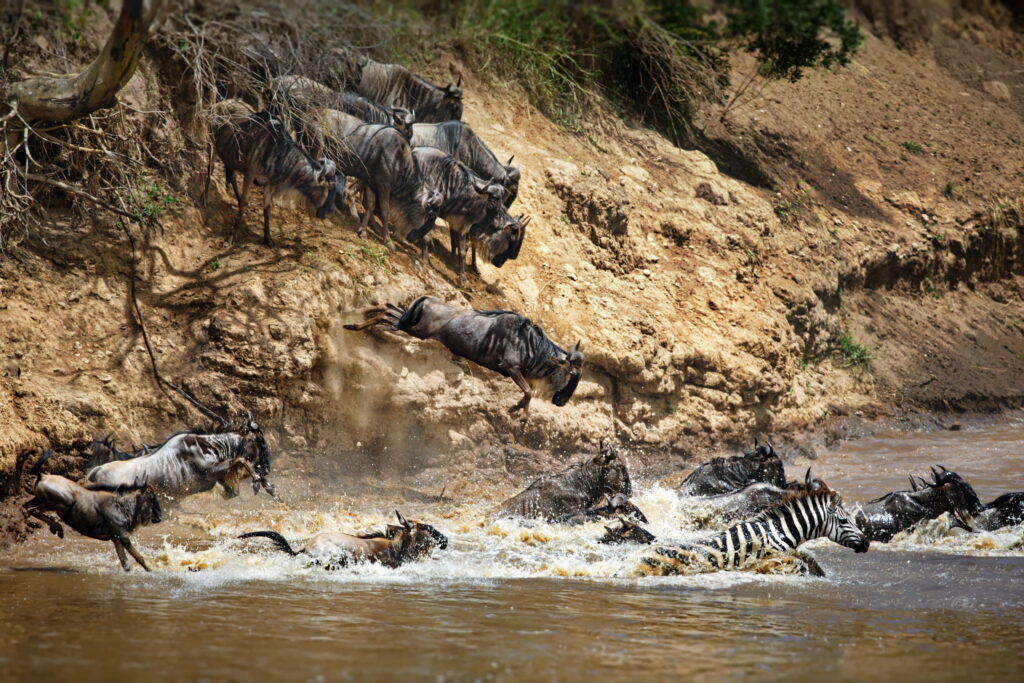
| Northern Serengeti (Kogatende) | July – October | Great Migration Mara River crossings |
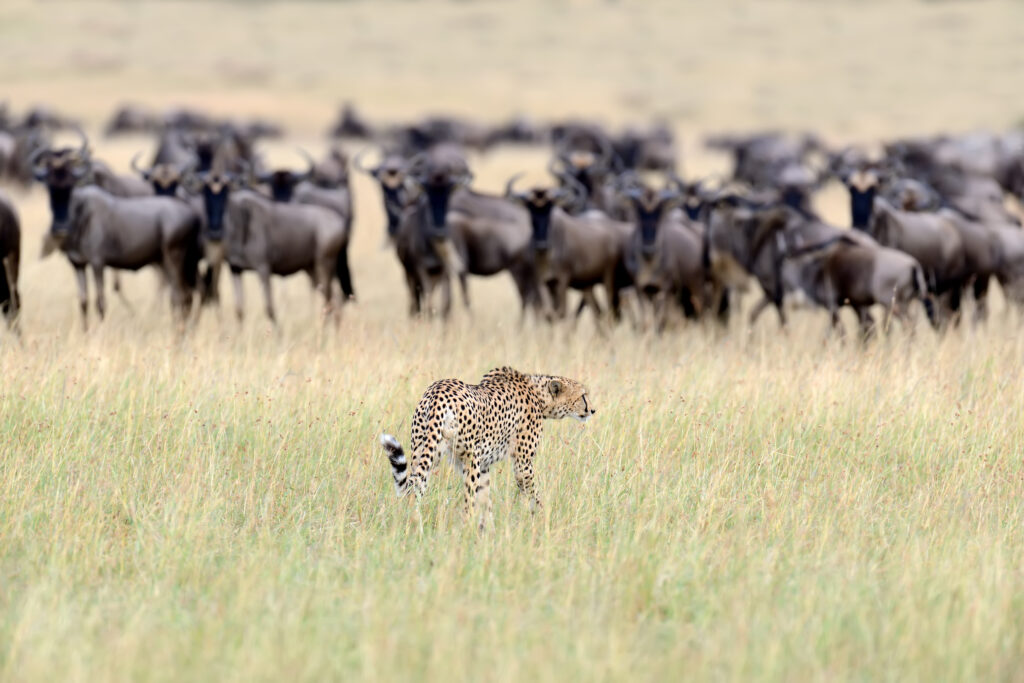
| Southern Serengeti (Ndutu) | December – March | Wildebeest calving, cheetah hunting |
| Western Corridor (Grumeti) | May – July | Grumeti River crossings, ancient crocodiles |
| Eastern Loliondo | Year-round | Off-road driving, night game drives, walking safaris |
For first-time visitors, Central Serengeti is the safest choice excellent wildlife year-round, the widest accommodation range, and the easiest logistics. More experienced travelers often split their time across two zones for a richer overall experience.
The Great Migration: What It Is and When to See It
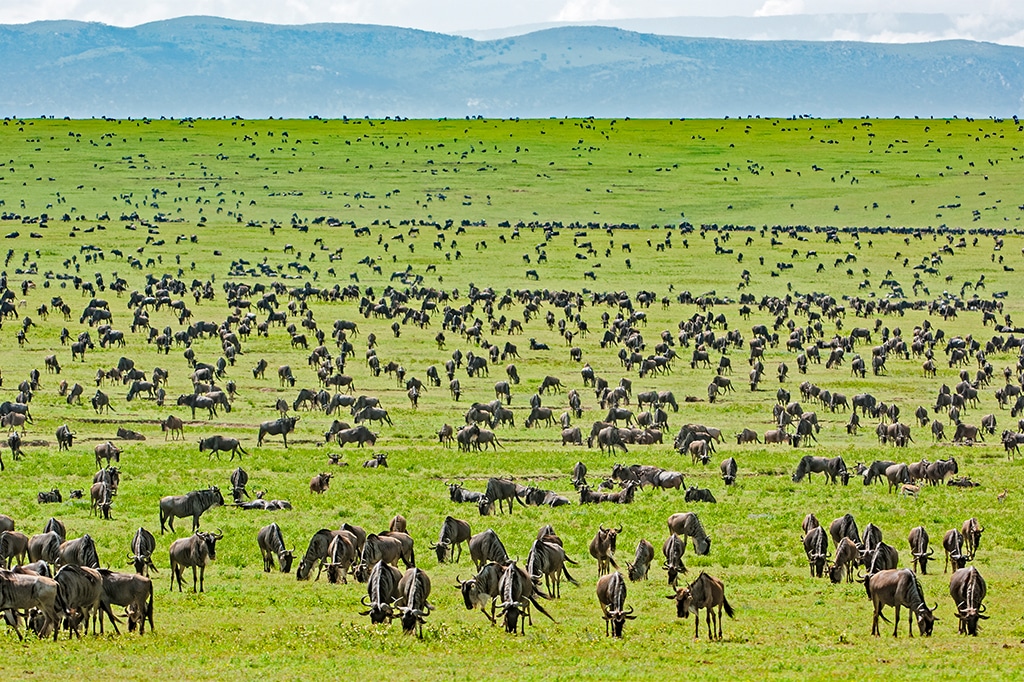
The Great Migration is a year-round movement of approximately 1.5 million wildebeest and 250,000 zebra in a circuit between Tanzania’s Serengeti and Kenya’s Maasai Mara. It is driven by rainfall patterns and fresh grass the herds follow the food.
Understanding the migration calendar is the foundation of Serengeti safari planning:
| Month | Migration Location | Key Wildlife Event |
| January – February | Southern Serengeti (Ndutu) | Calving season — 500,000 calves born |
| March – April | Central Serengeti | Herds moving north through central plains |
| May – June | Western Corridor (Grumeti) | Grumeti River crossings |
| July – October | Northern Serengeti / Maasai Mara | Mara River crossings — peak season |
| November – December | Moving south through Central | Return migration to calving grounds |
The river crossings at the Mara (July–October) are the most famous chapter. But January–February calving season in the south is equally extraordinary and significantly less crowded. Don’t overlook it.
Best Time to Visit the Serengeti
Peak Dry Season (June–October) Classic Safari
Short grass, concentrated wildlife near water, and the Mara River crossings make this the most popular window. Expect premium pricing and advance bookings 9–12 months out for top northern camps.
Calving Season (January–February) Underrated Gem
The southern Serengeti in January–February delivers extraordinary predator action around the calving herds. Cheetah density on the Ndutu plains during calving is among the highest in Africa. Fewer vehicles than August, same dramatic scale.
Green Season (March–May) Best Value
Accommodation drops 30–50%. Vehicles are rare. The Serengeti turns vivid green. Wildlife is abundant but dispersed in taller grass. March and May are the strongest green season months April is the wettest and least recommended.
Shoulder Season (June, November) Smart Timing
June marks the transition into dry season wildlife is excellent, prices haven’t yet peaked, and northern camps still have availability. November is the mirror image: good wildlife, lower rates, the return migration moving south.
Serengeti Wildlife Guide: What You’ll See
The Big Five
- Lion — 3,000 individuals; multiple resident prides in Seronera Valley; very reliable
- Leopard — Seronera’s riverine fig trees are among Africa’s best leopard habitat
- Elephant — 6,000 individuals; central and northern zones have good sightings
- Buffalo — 35,000 individuals; massive herds on the central plains
- Black Rhino — present but very rare; for rhino, add Ngorongoro Crater to your itinerary
Beyond the Big Five
- Cheetah — approximately 500 individuals; open terrain makes hunts highly visible
- Spotted Hyena — over 9,000 individuals; most active at dawn and dusk near kills
- Wild Dog — present in southern and western zones; rare but present
- Hippo — large pods in Seronera River, Grumeti River, and Mara River
- Giraffe — abundant across all zones with acacia woodland
- 500+ bird species — Kori Bustard, Lilac-Breasted Roller, Secretary Bird, Martial Eagle
Serengeti Safari Cost: 2026 Budget Guide
| Budget Tier | Cost Per Person/Day | What It Delivers |
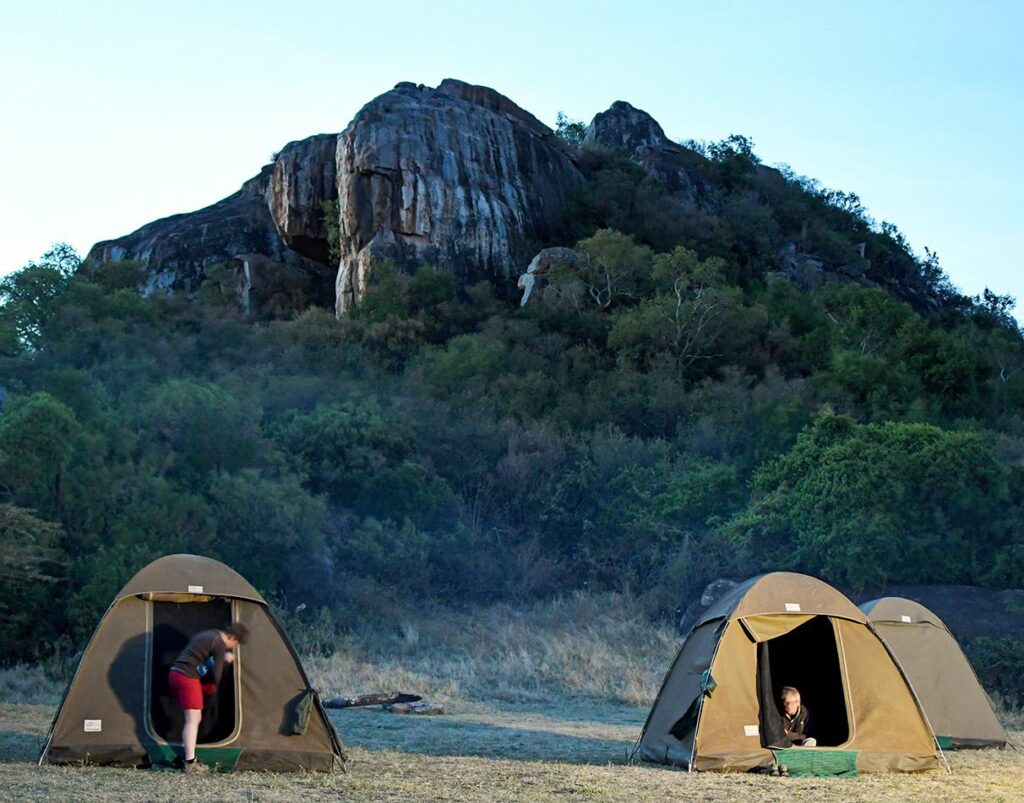
| Budget / Camping | $150 – $300 | Public campsites, shared game drives, basic meals |
| Mid-Range | $350 – $650 | Private vehicle, full board, well-located tented camp |
| Upper Mid-Range | $650 – $1,100 | Boutique camps, specialist guides, better positions |
| Luxury | $1,100 – $2,500+ | Private camps, low vehicle ratios, exclusive areas |
Park fees are additional: $82 per adult per day for Serengeti entry. Always confirm whether fees are included in your operator’s quoted price. On a 6-night stay, park fees alone add $492 per adult.
Budget for tips separately: $15–$20/day for your guide, $10–$15/day for camp staff. Bring US dollars in cash there are no ATMs in the Serengeti.
Sample 7-Day Serengeti Safari Itinerary
| Day | Location | Activity | Stay |
| Day 1 | Arusha | Arrive, transfer, pre-safari briefing | Arusha lodge |
| Day 2 | Tarangire NP | Full day — elephants, baobabs, bird life | Tarangire camp |
| Day 3 | Central Serengeti | Drive via Ngorongoro rim, afternoon game drive on entry | Seronera camp |
| Day 4 | Central Serengeti | Full day — Seronera Valley, kopjes, leopard search | Seronera camp |
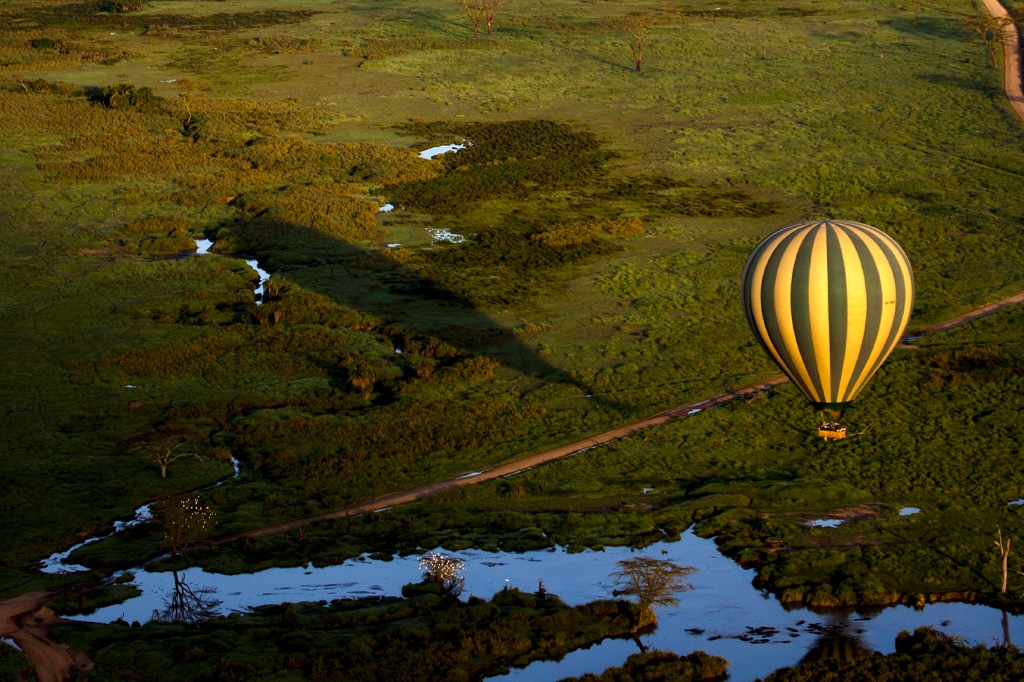
| Day 5 | Central Serengeti | Balloon safari at dawn (optional), afternoon drive | Seronera camp |
| Day 6 | Northern Serengeti (Jul–Oct) or Ngorongoro | Fly to north for migration / or crater descent | Northern camp / Ngorongoro rim |
| Day 7 | Arusha | Morning drive, exit, transfer, fly home | Depart |
Adjust Day 6 based on your travel dates and migration position. Your operator should advise in real time which zone will deliver the best wildlife in your specific window.
How to Get to the Serengeti
International Flights
Fly into Kilimanjaro International Airport (JRO) 45 minutes from Arusha, the main gateway for all northern Tanzania safaris. Most European and North American visitors connect through Nairobi, Amsterdam, Doha, or Dubai. Book flights early for July–October departures.
Arusha to Serengeti: Road vs. Flight
By road: 7–9 hours to Central Serengeti. Scenic through Ngorongoro but exhausting you arrive without energy for an afternoon game drive.
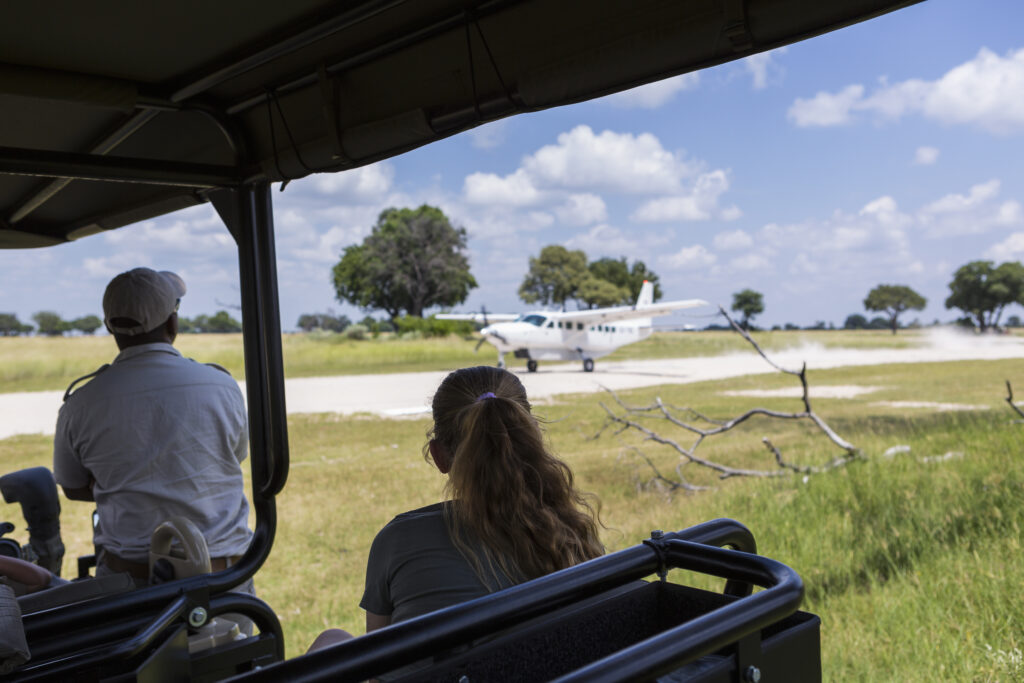
By charter flight: 45 minutes to Seronera airstrip (central), 90 minutes to Kogatende (north). Costs $250–$450 per person per sector. The time saved is worth more than the cost difference on any safari longer than 5 days.
Visa, Health & Packing Essentials
Visa
Tanzania tourist e-visa costs $50. Apply online at immigration.go.tz at least 2 weeks before departure. US citizens can get a visa on arrival, but the e-visa is smoother and avoids queues.
Health
- Yellow fever certificate required if arriving from endemic countries
- Malaria prophylaxis strongly recommended consult your doctor 6 weeks before travel
- Travel and medical evacuation insurance is essential no hospitals within the Serengeti
What to Pack
- Neutral clothing: khaki, sand, olive no bright colours or black/blue (attract tsetse flies)
- Warm layers Serengeti mornings are cold (8–12°C) even in ‘hot’ months
- Binoculars: 8×42 minimum non-negotiable for quality game viewing
- Camera with 300mm+ telephoto lens
- Dust-proof bag for camera equipment
- US dollars cash for tips and small purchases
Top Mistakes to Avoid
- Booking too late top camps fill 9-12 months ahead for peak season
- Too many parks in too few days depth beats distance on safari
- Skipping the internal charter flight losing a day to road travel wastes your wildlife time
- Ignoring calving season — January–February rivals any river crossing for drama
- Choosing an operator on price alone guide quality determines 80% of your experience
- Forgetting tip cash no ATMs exist anywhere in the Serengeti
Insider Tips from the Ground
- Ask your guide about real-time migration sightings before every game drive they track daily
- Be at the Mara River crossing points by 6:30 AM crossings happen in the morning
- Stay minimum 3 nights in northern Serengeti crossings require patience and multiple attempts
- Green season (March/May) is 30–50% cheaper with near-empty roads experienced travelers know this
Frequently Asked Questions Serengeti safari guide
How many days do I need in the Serengeti?
Minimum 4 nights for a meaningful experience. 6–7 nights is ideal for covering two zones and allowing flexibility for wildlife events. Any itinerary under 3 nights won’t do the Serengeti justice.
Is the Serengeti good for first-time safari visitors?
Absolutely Central Serengeti is one of the best first safari destinations in Africa. Year-round wildlife reliability, excellent guides, a wide range of accommodation at every budget level, and logistics that work smoothly make it an ideal entry point.
Do I need a visa for Tanzania?
Yes. A Tanzania tourist e-visa costs $50 and is applied for online at immigration.go.tz. Apply at least 2 weeks before travel. If visiting Tanzania, Kenya, and Uganda in one trip, the East Africa Tourist Visa ($100) covers all three.
What is the best accommodation in the Serengeti?
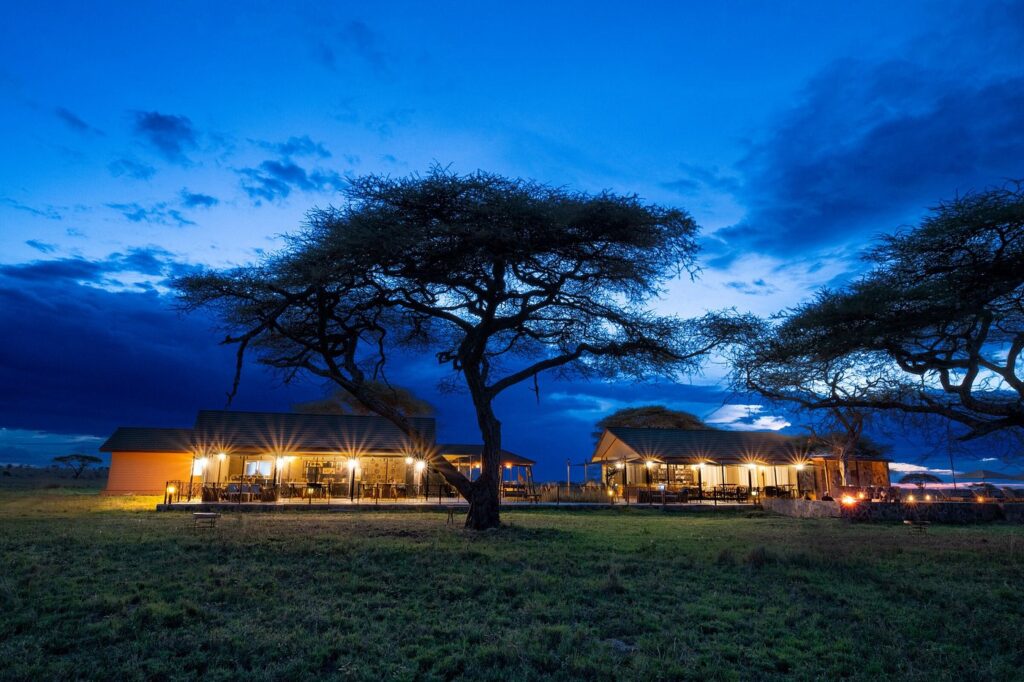
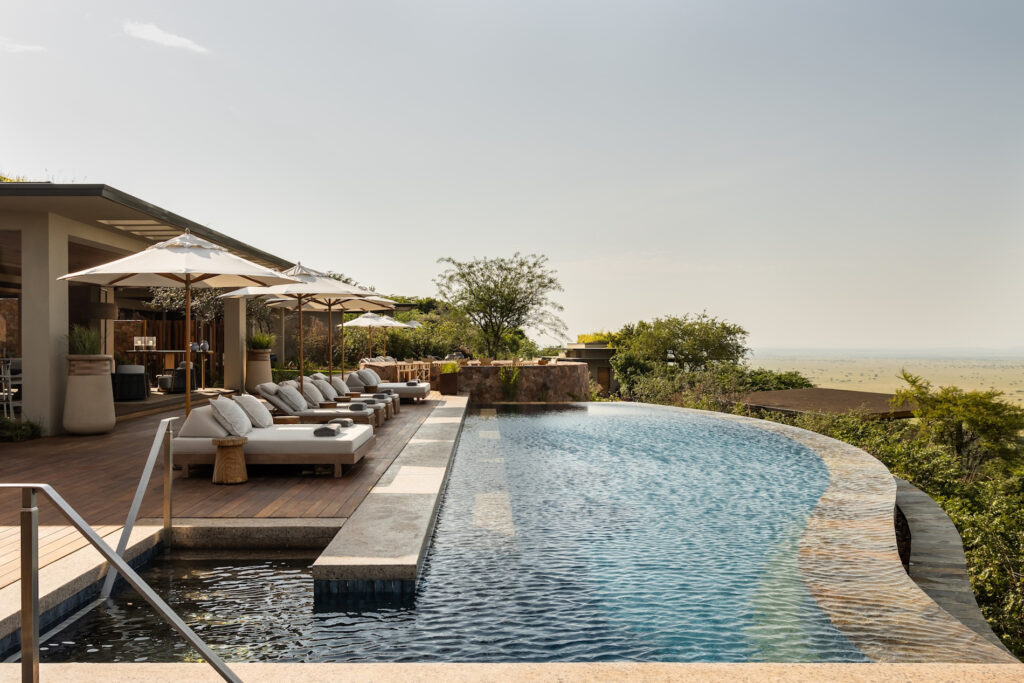
It depends on your budget and zone. For central Serengeti: Four Seasons Safari Lodge and Singita Faru Faru (luxury), Serengeti Serena and Pioneer Camp (mid-range). For northern: Asilia Lamai and Sayari Camp (luxury). For southern: Lemala Ndutu and &Beyond Ndutu Under Canvas.
Can I see all Big Five in the Serengeti?
Yes lion, leopard, elephant, and buffalo are reliably seen with a good guide. Black rhino is present in tiny numbers and rarely sighted. For guaranteed rhino viewing, combine your Serengeti safari with a Ngorongoro Crater visit, which has approximately 26–30 resident black rhinos.
Ready to experience the Serengeti for yourself?
Plan your journey with expert local guides who understand wildlife movement, timing, and hidden locations that most travelers miss.
👉 Chat with us on WhatsApp: +255 778 823 947
👉 Request your custom safari itinerary today
👉 See what travelers say: https://www.tripadvisor.com/
👉 Connect with me on LinkedIn: https://www.linkedin.com/in/oshua-munuo/